Pedersen Eric R, Parast Layla, Marshall Grant N, Schell Terry L, Neighbors Clayton
RAND Corporation.
Department of Psychology, University of Houston.
J Consult Clin Psychol. 2017 May;85(5):459-470. doi: 10.1037/ccp0000187. Epub 2017 Mar 13.
Young-adult American veterans are at risk for problematic alcohol use. However, they are unlikely to seek care and may drop out from lengthy, multicomponent treatments when they do get care. This randomized controlled trial tested a very brief alcohol intervention delivered over the Internet to reach the population of young-adult veterans to help reduce their drinking.
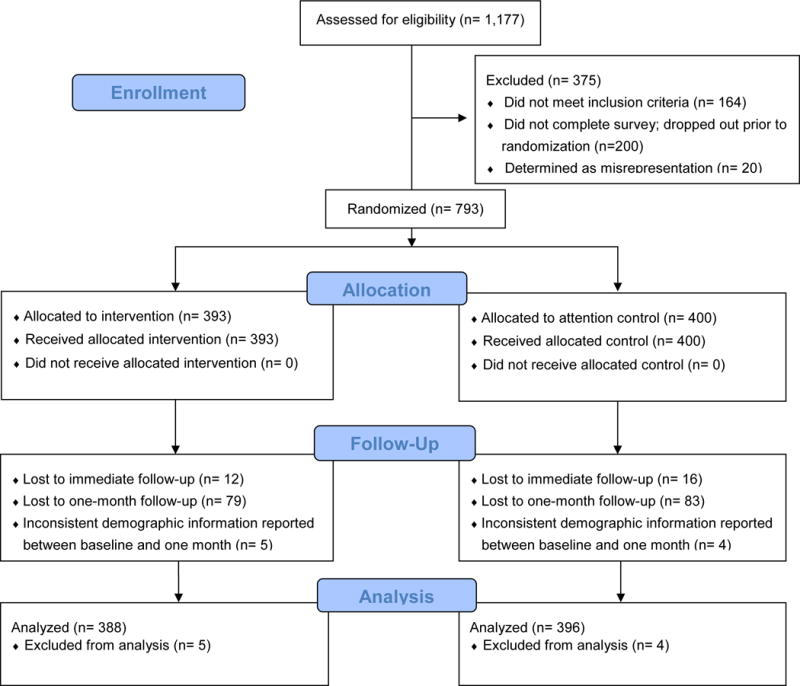
Veterans (N = 784) were recruited from Facebook and randomized to either a control condition or a personalized normative feedback (PNF) intervention seeking to correct drinking perceptions of gender-specific veteran peers.
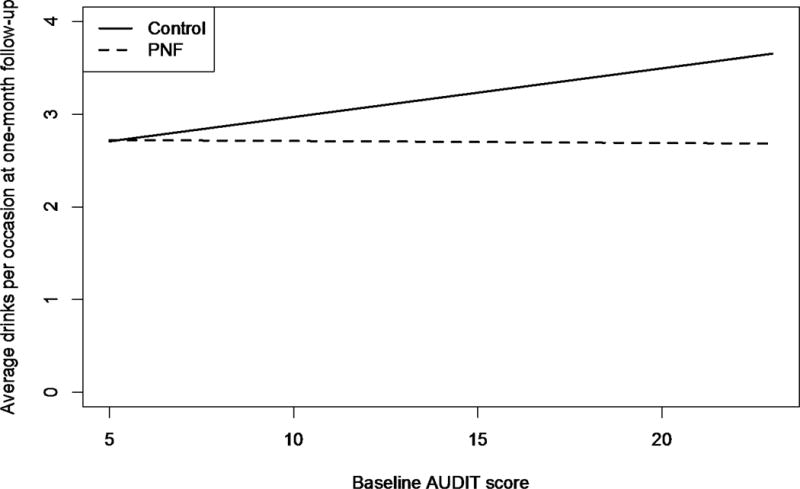
At immediate postintervention, PNF participants reported greater reductions in their perceptions of peer drinking and intentions to drink over the next month, compared with control participants. At 1-month follow-up, PNF participants reduced their drinking behavior and related consequences to a significantly greater extent than controls. Specifically, PNF participants drank 3.4 fewer drinks per week, consumed 0.4 fewer drinks per occasion, binge drank on 1.0 fewer days, and experienced about 1.0 fewer consequences than control participants in the month after the intervention. Intervention effects for drinks per occasion were most pronounced among more problematic drinkers. Changes in perceived norms from baseline to 1-month follow-up mediated intervention efficacy.
Though effects were assessed after only 1 month, findings have potential to inform broader, population-level programs designed for young veterans to prevent escalation of drinking and development of long-term alcohol problems. Given the simplicity of the PNF approach and ease of administration, this intervention has the potential for a substantial impact on public health. (PsycINFO Database Record
美国年轻退伍军人存在酒精使用问题的风险。然而,他们不太可能寻求治疗,而且在接受治疗时可能会退出冗长的多成分治疗。这项随机对照试验测试了一种通过互联网提供的非常简短的酒精干预措施,以覆盖年轻退伍军人人群,帮助减少他们的饮酒量。
从脸书招募退伍军人(N = 784),并随机分为对照组或个性化规范反馈(PNF)干预组,该干预旨在纠正特定性别的退伍军人同龄人对饮酒的认知。
干预后即刻,与对照组参与者相比,PNF参与者报告称他们对同龄人饮酒的认知以及下个月饮酒意图的降低幅度更大。在1个月的随访中,PNF参与者在减少饮酒行为及相关后果方面比对照组有显著更大的程度。具体而言,在干预后的那个月,PNF参与者每周少喝3.4杯酒,每次少喝0.4杯酒,狂饮天数少1.0天,经历的后果比对照组参与者少约1.0次。每次饮酒量的干预效果在问题饮酒者中最为明显。从基线到1个月随访期间感知规范的变化介导了干预效果。
尽管仅在1个月后评估了效果,但研究结果有可能为更广泛的、针对年轻退伍军人的人群层面项目提供信息,以防止饮酒量增加和长期酒精问题的发展。鉴于PNF方法的简单性和易于实施,这种干预措施有可能对公共卫生产生重大影响。(PsycINFO数据库记录