Xia Fan, Yao Xiaorui, Tang Waijiao, Xiao Chunxin, Yang Miaoting, Zhou Benjie
Center for Drug Research and Development, Zhujiang Hospital, Southern Medical University Guangzhou, China.
Front Pharmacol. 2017 Feb 28;8:99. doi: 10.3389/fphar.2017.00099. eCollection 2017.
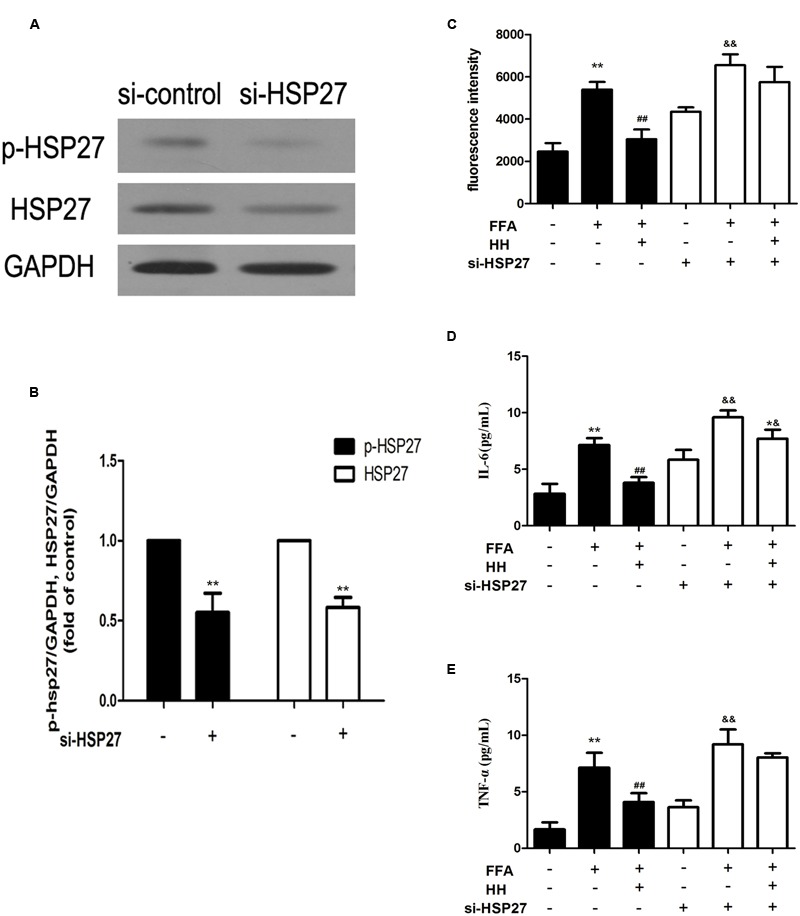
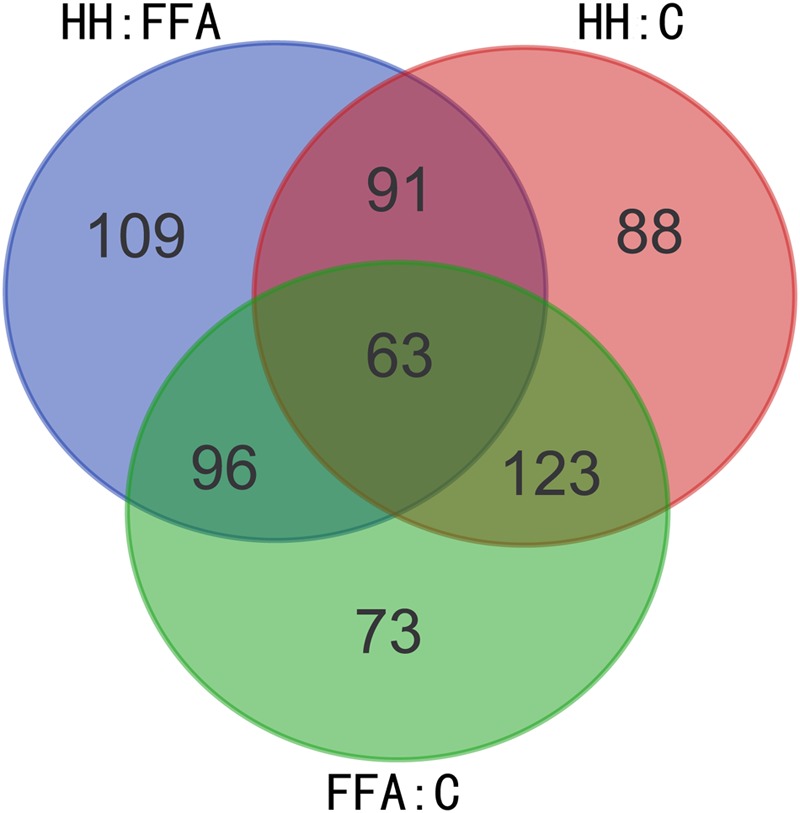
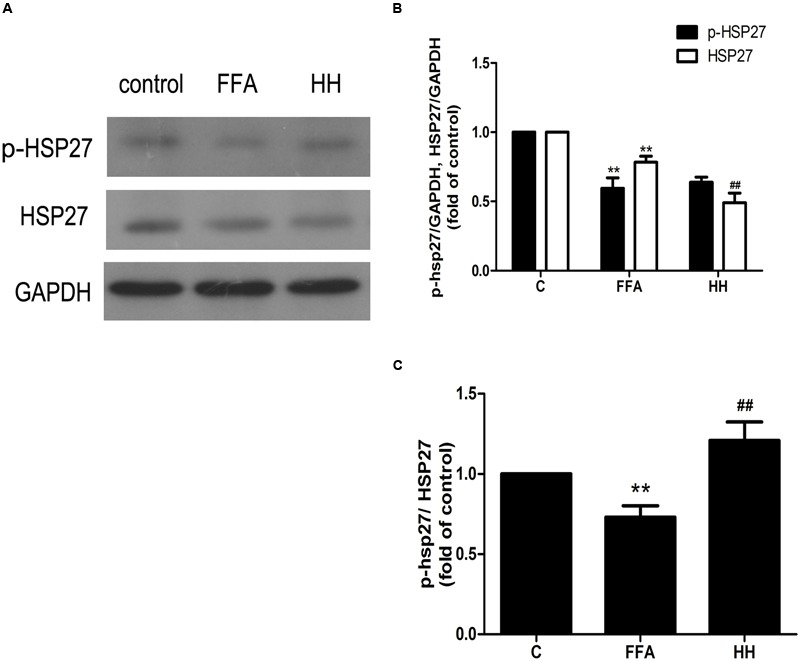
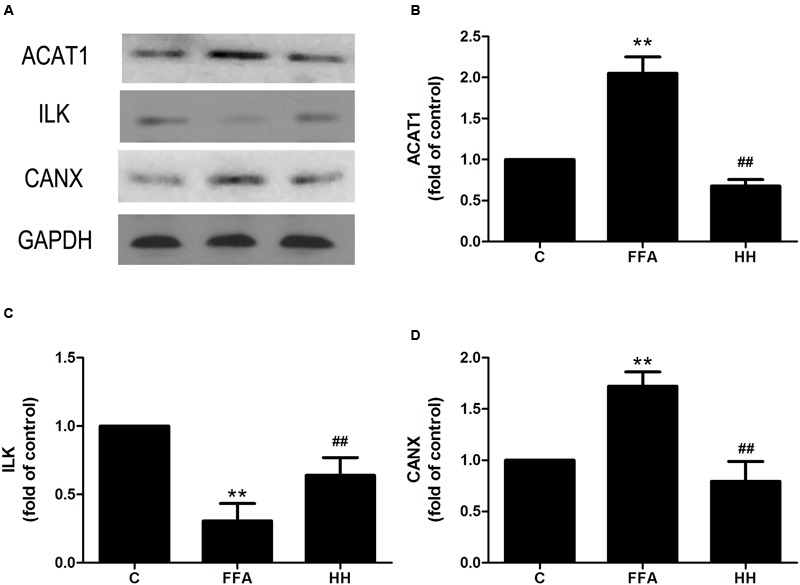
In previous research, Hugan Qingzhi, a traditional Chinese medicine, was shown to have protective effects against hepatic steatosis. However, its activity against non-alcoholic fatty liver disease (NAFLD) and the mechanisms by which it exerts its effects remain unknown. In the present study, the effects of Hugan Qingzhi on free fatty acid (FFA)-induced L02 cells were examined. The techniques of iTRAQ labeling, together with strong cation exchange-non-liquid chromatography-tandem mass spectrometry (SCX-non-LC-MS/MS) analysis and serum pharmacology, were used to evaluate the effects of Hugan Qingzhi-medicated serum on FFA-induced L02 hepatocyte injury. Results identified 355 differentially expressed proteins following FFA treatment, compared with a control group; 359 altered proteins in the Hugan Qingzhi high dose + FFA treatment group, compared with the FFA treatment group; and 365 altered proteins in the Hugan Qingzhi high dose + FFA treatment group, compared with the control group. Based on the Kyoto Encyclopedia of Gene and Genomes pathway enrichment analysis, it is concluded that several pathways including those of microbial metabolism in diverse environments, fatty acid metabolism, peroxisome proliferator activated receptor signaling, and mitogen-activated protein kinase signaling are closely associated with the effects of Hugan Qingzhi-medicated serum in FFA-induced L02 hepatocyte injury. Furthermore, several differentially expressed proteins, including heat shock protein 27 (HSP27), acetyl-CoA acetyltransferase 1, calnexin, and integrin-linked kinase, were validated by western blotting. A target-specific HSP27 siRNA was used to investigate further the function of HSP27, and it was found that HSP27 might have a key role in the observable effects of Hugan Qingzhi-medicated serum in FFA-induced L02 hepatocyte injury. The results not only confirmed that Hugan Qingzhi exhibits a significant protective effect in FFA-induced L02 hepatocyte injury, but also suggest insights into the mechanism of such protective effects.
在先前的研究中,中药护肝清脂被证明对肝脂肪变性具有保护作用。然而,其对非酒精性脂肪性肝病(NAFLD)的活性及其发挥作用的机制仍不清楚。在本研究中,检测了护肝清脂对游离脂肪酸(FFA)诱导的L02细胞的影响。采用iTRAQ标记技术,结合强阳离子交换-非液相色谱-串联质谱(SCX-non-LC-MS/MS)分析和血清药理学方法,评价护肝清脂含药血清对FFA诱导的L02肝细胞损伤的影响。结果显示,与对照组相比,FFA处理后有355种差异表达蛋白;与FFA处理组相比,护肝清脂高剂量+FFA处理组有359种蛋白发生改变;与对照组相比,护肝清脂高剂量+FFA处理组有365种蛋白发生改变。基于京都基因与基因组百科全书通路富集分析,得出结论:包括不同环境中的微生物代谢、脂肪酸代谢、过氧化物酶体增殖物激活受体信号传导和丝裂原活化蛋白激酶信号传导等多种通路与护肝清脂含药血清对FFA诱导的L02肝细胞损伤的作用密切相关。此外,通过蛋白质免疫印迹法验证了几种差异表达蛋白,包括热休克蛋白27(HSP27)、乙酰辅酶A乙酰基转移酶1、钙连蛋白和整合素连接激酶。使用靶向特异性HSP27 siRNA进一步研究HSP27的功能,发现HSP27可能在护肝清脂含药血清对FFA诱导的L02肝细胞损伤的可见效应中起关键作用。这些结果不仅证实了护肝清脂在FFA诱导的L02肝细胞损伤中具有显著的保护作用,还为这种保护作用的机制提供了见解。