Sood Aditya, Therattil Paul J, Russo Gerardo, Lee Edward S
Division of Plastic and Reconstructive Surgery, Rutgers New Jersey Medical School, Newark.
Eplasty. 2017 Feb 17;17:e5. eCollection 2017.
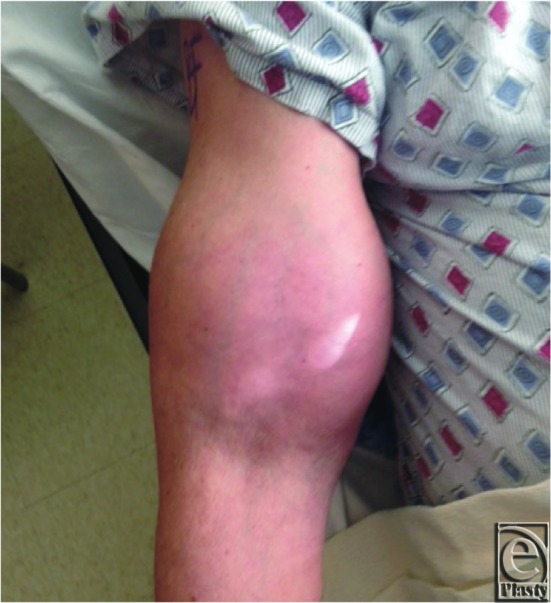
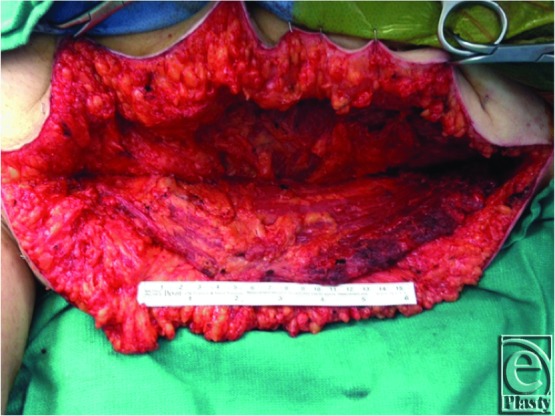
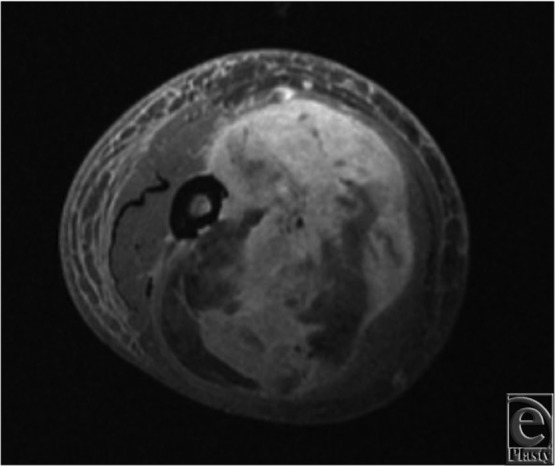
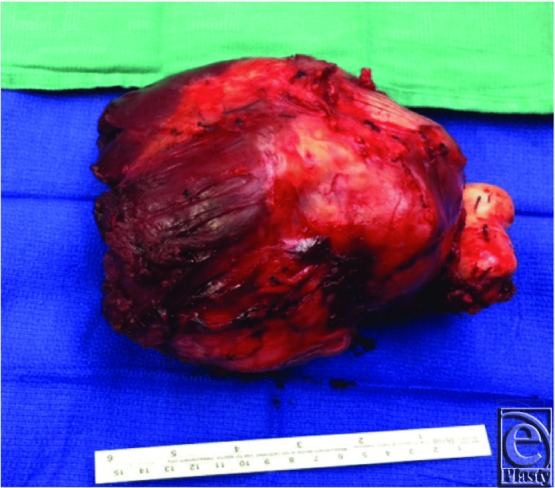
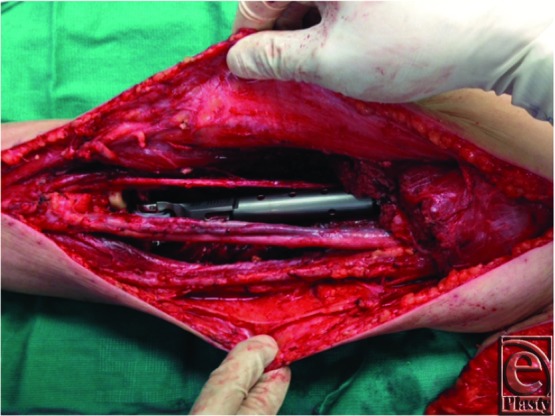
The latissimus dorsi flap is a workhorse for plastic surgeons, being used for many years for soft-tissue coverage of the upper extremity as well as for functional reconstruction to restore motion to the elbow and shoulder. The authors present a case of functional latissimus dorsi transfer for restoration of elbow flexion and review the literature on technique and outcomes. A literature review was performed using MEDLINE and the Cochrane Collaboration Library for primary research articles on functional latissimus dorsi flap transfer. Data related to surgical techniques and outcomes were extracted. The literature search yielded 13 relevant studies, with a total of 52 patients who received pedicled, functional latissimus dorsi flaps for upper-extremity reconstruction. The most common etiology requiring reconstruction was closed brachial plexus injury (n = 13). After flap transfer, 98% of patients were able to flex the elbow against gravity and 82.3% were able to flex against resistance. In the presented case, a 77-year-old man underwent resection of myxofibrosarcoma of the upper arm with elbow prosthesis placement and functional latissimus dorsi transfer. The patient was able to actively flex against gravity at 3-month follow-up. A review of the literature shows that nearly all patients undergoing functional latissimus dorsi transfer for upper-extremity reconstruction regain at least motion against gravity whereas a large proportion regain motion against resistance. Considerations when planning for functional latissimus dorsi transfer include patient positioning, appropriate tensioning of the muscle, safe inset, polarity, management of other affected upper-extremity joints, and educating patients on the expected outcomes.
背阔肌肌皮瓣是整形外科医生常用的一种皮瓣,多年来一直用于上肢软组织覆盖以及功能重建,以恢复肘部和肩部的活动功能。作者报告了1例通过功能性背阔肌转移来恢复肘关节屈曲功能的病例,并回顾了相关技术及治疗效果的文献。使用医学文献数据库(MEDLINE)和考克兰协作网图书馆对有关功能性背阔肌皮瓣转移的原发性研究文章进行文献综述。提取与手术技术和治疗效果相关的数据。文献检索得到13项相关研究,共有52例患者接受了带蒂功能性背阔肌皮瓣进行上肢重建。需要重建的最常见病因是闭合性臂丛神经损伤(n = 13)。皮瓣转移后,98%的患者能够在抗重力状态下屈曲肘部,82.3%的患者能够抗阻力屈曲肘部。在本病例中,一名77岁男性接受了上臂黏液纤维肉瘤切除手术,并植入了肘关节假体及进行了功能性背阔肌转移。在3个月的随访中,患者能够主动抗重力屈曲肘部。文献综述表明,几乎所有接受功能性背阔肌转移进行上肢重建的患者至少恢复了抗重力活动,而很大一部分患者恢复了抗阻力活动。计划进行功能性背阔肌转移时需要考虑的因素包括患者体位、肌肉的适当张力、安全植入、极性、其他受累上肢关节的处理以及让患者了解预期治疗效果。