Meunier Andreas, Posadzy Kinga, Tinghög Gustav, Aspenberg Per
a Department of Clinical and Experimental Medicine, Orthopedics, Faculty of Medicine , Linköping University.
b Department of Management and Engineering, Division of Economics , Linköping University.
Acta Orthop. 2017 Oct;88(5):466-471. doi: 10.1080/17453674.2017.1298353. Epub 2017 Mar 15.
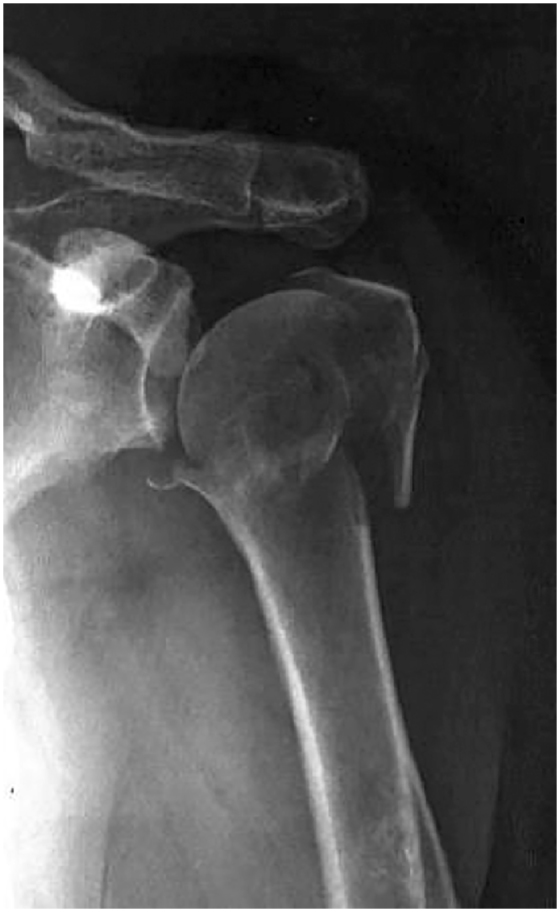
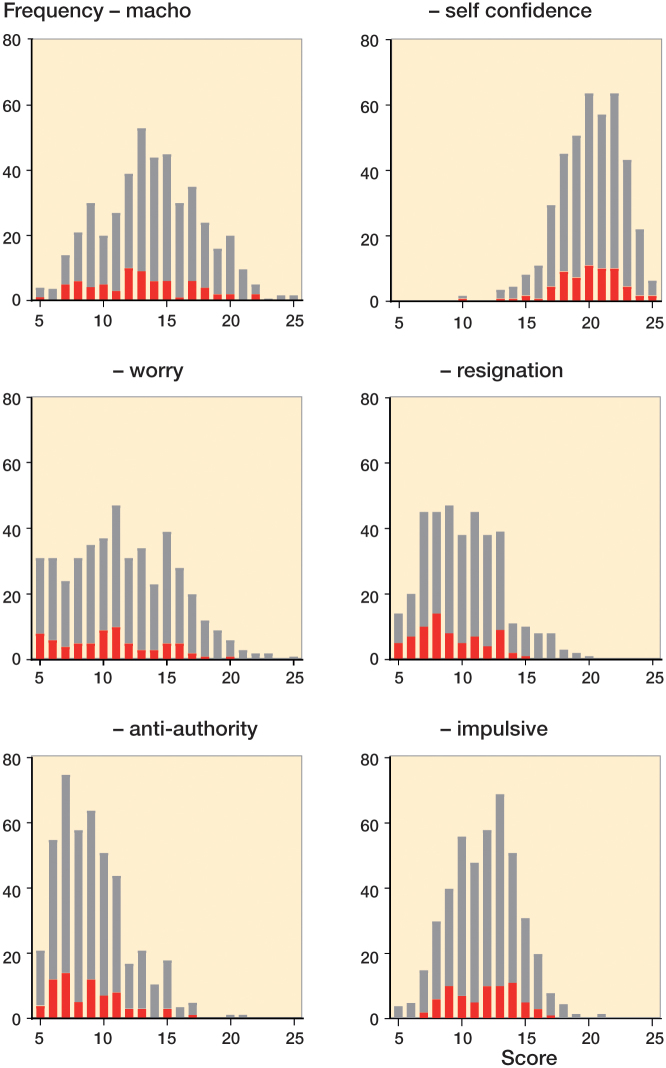
Background and purpose - There is increasing evidence that several commonly performed surgical procedures provide little advantage over nonoperative treatment, suggesting that doctors may sometimes be inappropriately optimistic about surgical benefit when suggesting treatment for individual patients. We investigated whether attitudes to risk influenced the choice of operative treatment and nonoperative treatment. Methods - 946 Swedish orthopedic surgeons were invited to participate in an online survey. A radiograph of a 4-fragment proximal humeral fracture was presented together with 5 different patient characteristics, and the surgeons could choose between 3 different operative treatments and 1 nonoperative treatment. This was followed by an economic risk-preference test, and then by an instrument designed to measure 6 attitudes to surgery that are thought to be hazardous. We then investigated if choice of non-operative treatment was associated with risk aversion, and thereafter with the other variables, by regression analysis. Results - 388 surgeons responded. Nonoperative treatment for all cases was suggested by 64 of them. There was no significant association between risk aversion and tendency to avoid surgery. However, there was a statistically significant association between suggesting to operate at least 1 of the cases and a "macho" attitude to surgery or resignation regarding the chances of influencing the outcome of surgery. Choosing nonoperative treatment for all cases was associated with long experience as a surgeon. Interpretation - The discrepancy between available evidence for surgery and clinical practice does not appear to be related to risk preference, but relates to hazardous attitudes. It appears that choosing nonoperative treatment requires experience and a feeling that one can make a difference (i.e. a low score for resignation). There is a need for better awareness of available evidence for surgical indications.
背景与目的——越来越多的证据表明,一些常见的外科手术与非手术治疗相比优势甚微,这表明医生在为个体患者建议治疗方案时,有时可能对手术益处过于乐观。我们调查了对风险的态度是否会影响手术治疗和非手术治疗的选择。方法——邀请946名瑞典骨科医生参与一项在线调查。展示了一张四部分近端肱骨骨折的X光片以及5种不同的患者特征,医生可以在3种不同的手术治疗和1种非手术治疗之间进行选择。随后进行了一项经济风险偏好测试,接着是一个旨在测量6种被认为有风险的手术态度的工具。然后我们通过回归分析研究非手术治疗的选择是否与风险规避相关,以及之后是否与其他变量相关。结果——388名医生做出了回应。其中64人建议对所有病例进行非手术治疗。风险规避与避免手术的倾向之间没有显著关联。然而,建议至少对其中1例进行手术与对手术的“男子气概”态度或对影响手术结果机会的听天由命态度之间存在统计学上的显著关联。对所有病例选择非手术治疗与外科医生的长期经验有关。解读——手术现有证据与临床实践之间的差异似乎与风险偏好无关,而是与有风险的态度有关。似乎选择非手术治疗需要经验以及一种能够产生影响的感觉(即听天由命得分低)。需要更好地了解手术适应症的现有证据。