Sokolina Kate, Kittanakom Saranya, Snider Jamie, Kotlyar Max, Maurice Pascal, Gandía Jorge, Benleulmi-Chaachoua Abla, Tadagaki Kenjiro, Oishi Atsuro, Wong Victoria, Malty Ramy H, Deineko Viktor, Aoki Hiroyuki, Amin Shahreen, Yao Zhong, Morató Xavier, Otasek David, Kobayashi Hiroyuki, Menendez Javier, Auerbach Daniel, Angers Stephane, Pržulj Natasa, Bouvier Michel, Babu Mohan, Ciruela Francisco, Jockers Ralf, Jurisica Igor, Stagljar Igor
Donnelly Centre, University of Toronto, Toronto, ON, Canada.
Princess Margaret Cancer Centre, University Health Network, University of Toronto, Toronto, ON, Canada.
Mol Syst Biol. 2017 Mar 15;13(3):918. doi: 10.15252/msb.20167430.
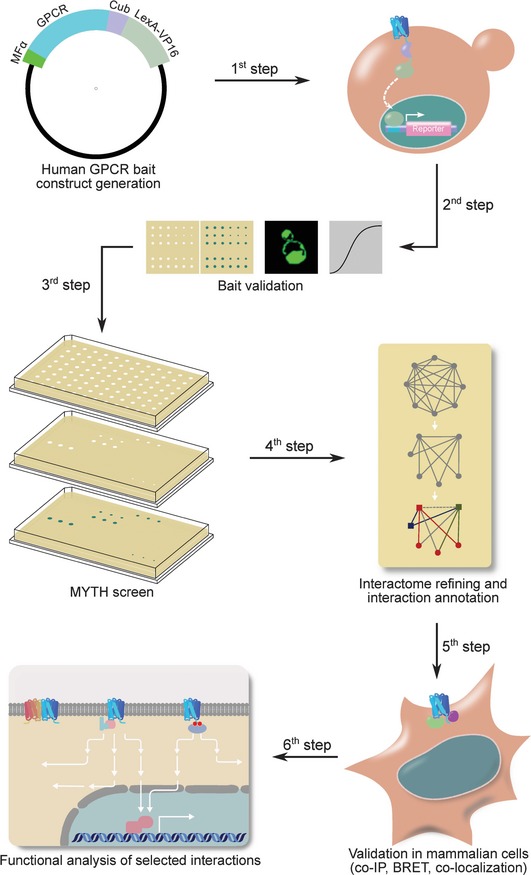
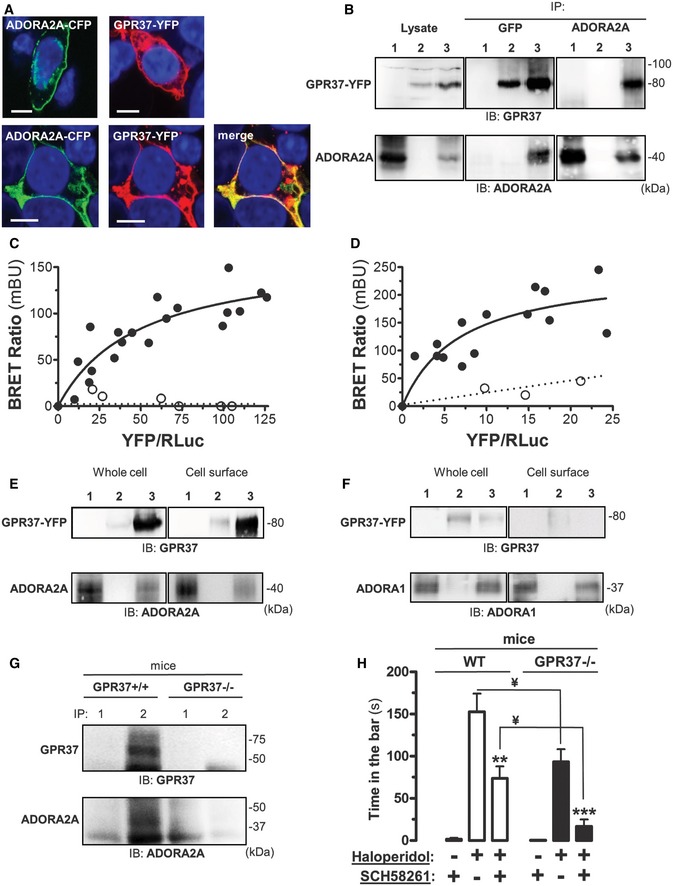
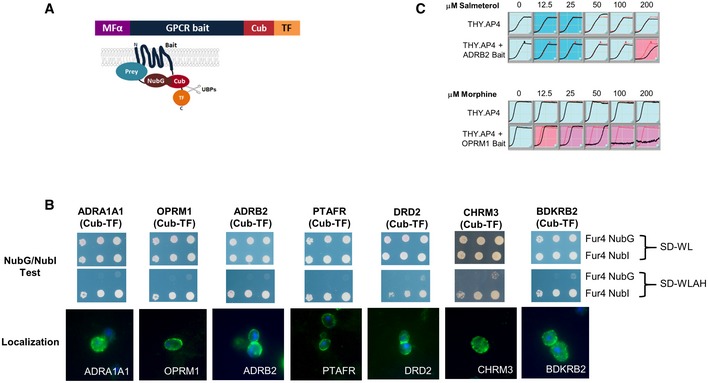
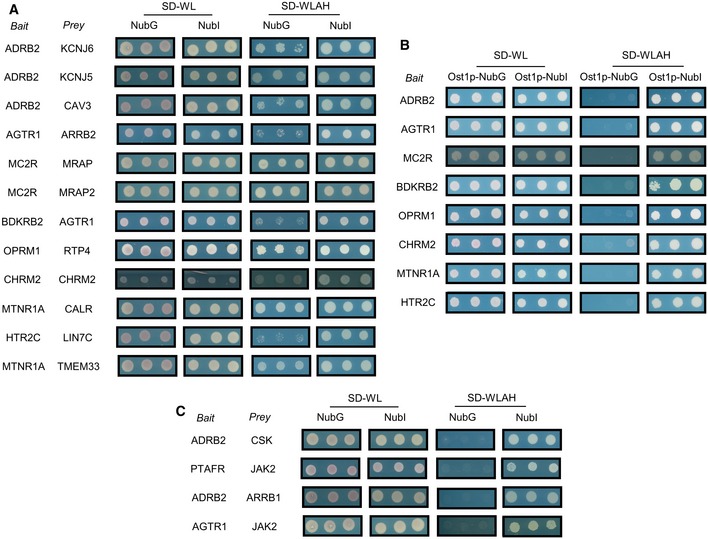
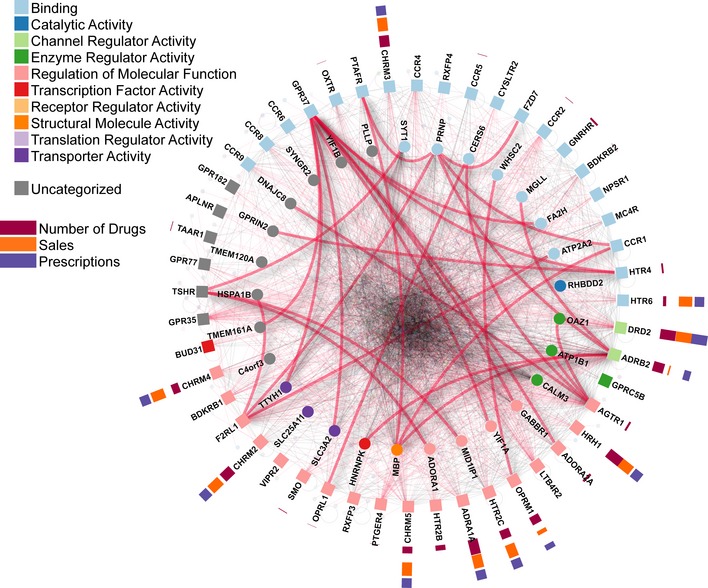
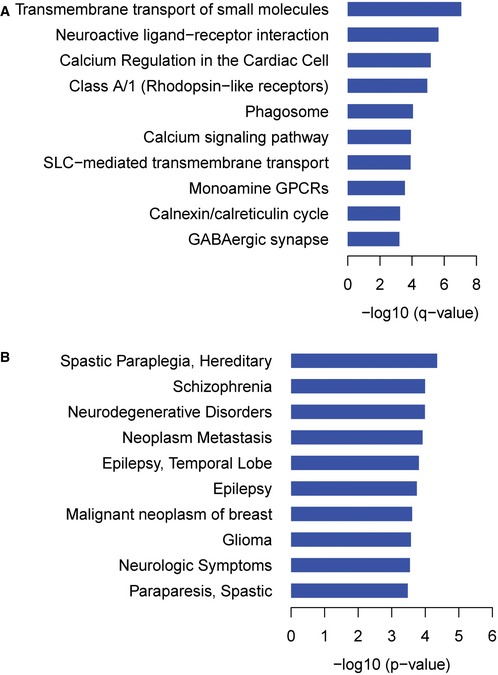
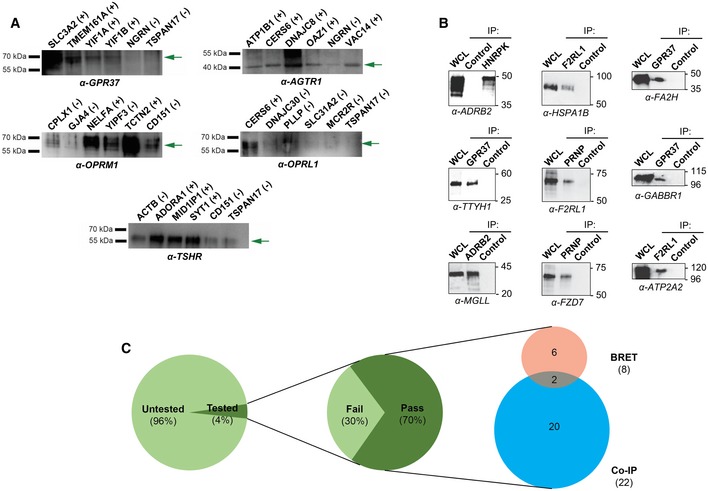
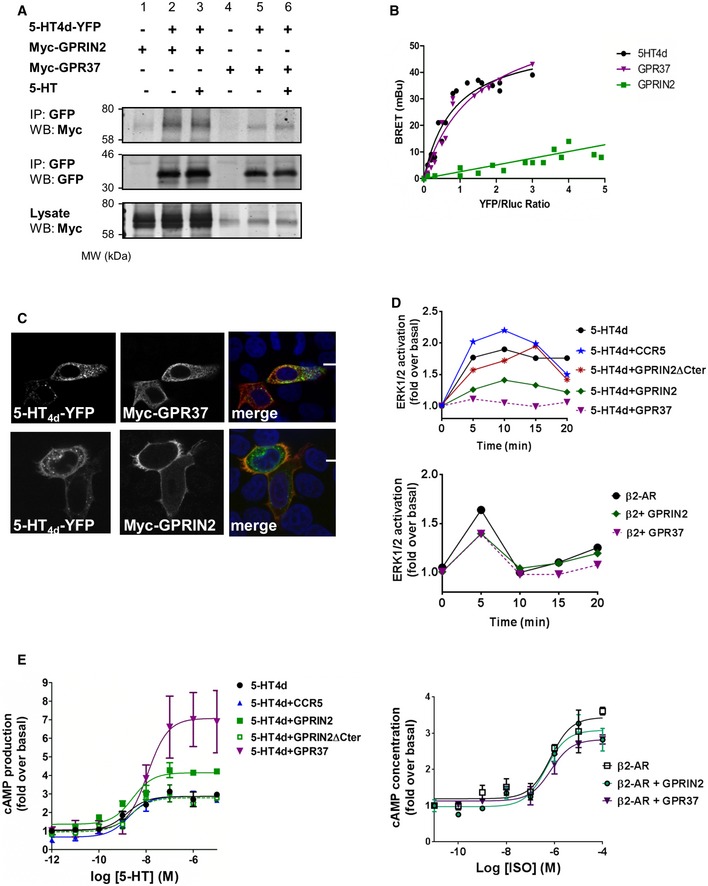
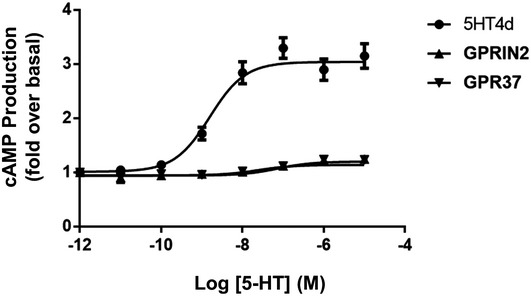
G-protein-coupled receptors (GPCRs) are the largest family of integral membrane receptors with key roles in regulating signaling pathways targeted by therapeutics, but are difficult to study using existing proteomics technologies due to their complex biochemical features. To obtain a global view of GPCR-mediated signaling and to identify novel components of their pathways, we used a modified membrane yeast two-hybrid (MYTH) approach and identified interacting partners for 48 selected full-length human ligand-unoccupied GPCRs in their native membrane environment. The resulting GPCR interactome connects 686 proteins by 987 unique interactions, including 299 membrane proteins involved in a diverse range of cellular functions. To demonstrate the biological relevance of the GPCR interactome, we validated novel interactions of the GPR37, serotonin 5-HT4d, and adenosine ADORA2A receptors. Our data represent the first large-scale interactome mapping for human GPCRs and provide a valuable resource for the analysis of signaling pathways involving this druggable family of integral membrane proteins.
G蛋白偶联受体(GPCRs)是最大的整合膜受体家族,在调节治疗靶点的信号通路中起关键作用,但由于其复杂的生化特性,使用现有的蛋白质组学技术很难对其进行研究。为了全面了解GPCR介导的信号传导并识别其信号通路的新成分,我们采用了改良的膜酵母双杂交(MYTH)方法,在其天然膜环境中鉴定了48种选定的全长人配体未占据的GPCR的相互作用伙伴。由此产生的GPCR相互作用组通过987种独特的相互作用连接了686种蛋白质,包括299种参与多种细胞功能的膜蛋白。为了证明GPCR相互作用组的生物学相关性,我们验证了GPR37、血清素5-HT4d和腺苷ADORA2A受体的新相互作用。我们的数据代表了人类GPCR的首次大规模相互作用组图谱,为分析涉及这一可成药的整合膜蛋白家族的信号通路提供了宝贵资源。