State Key Laboratory for Diagnosis and Treatment of Infectious Diseases, Collaborative Innovation Center for Diagnosis and Treatment of Infectious Diseases, First Affiliated Hospital, School of Medicine, Zhejiang University, Hangzhou, Zhejiang, China.
J Cell Mol Med. 2017 Sep;21(9):1719-1731. doi: 10.1111/jcmm.13129. Epub 2017 Mar 16.
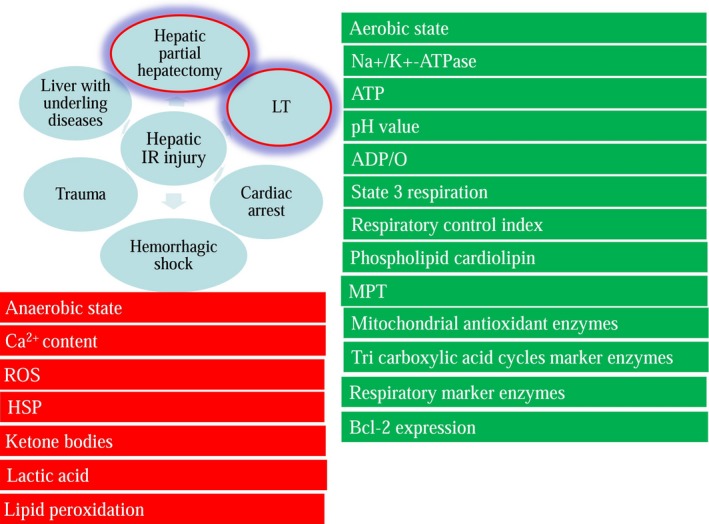
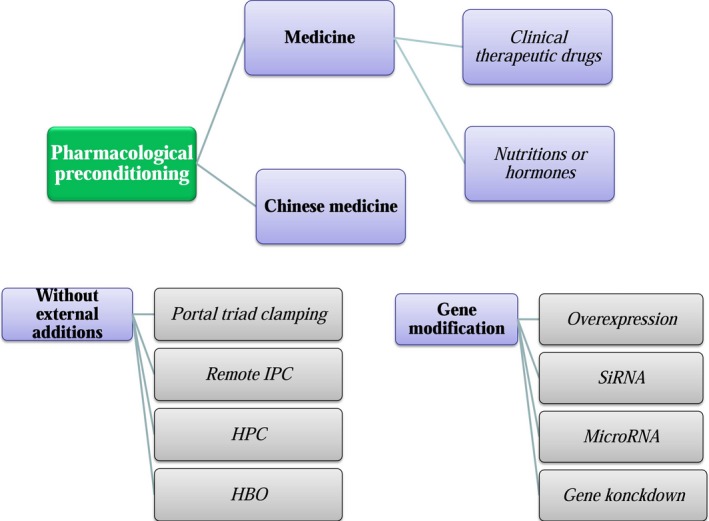
The liver, the largest organ with multiple synthesis and secretion functions in mammals, consists of hepatocytes and Kupffer, stem, endothelial, stellate and other parenchymal cells. Because of early and extensive contact with the external environment, hepatic ischaemia reperfusion (IR) may result in mitochondrial dysfunction, autophagy and apoptosis of cells and tissues under various pathological conditions. Because the liver requires a high oxygen supply to maintain normal detoxification and synthesis functions, it is extremely susceptible to ischaemia and subsequent reperfusion with blood. Consequently, hepatic IR leads to acute or chronic liver failure and significantly increases the total rate of morbidity and mortality through multiple regulatory mechanisms. An increasing number of studies indicate that mitochondrial structure and function are impaired after hepatic IR, but that the health of liver tissues or liver grafts can be effectively rescued by attenuation of mitochondrial dysfunction. In this review, we mainly focus on the subsequent therapeutic interventions related to the conservation of mitochondrial function involved in mitigating hepatic IR injury and the potential mechanisms of protection. Because mitochondria are abundant in liver tissue, clarification of the regulatory mechanisms between mitochondrial dysfunction and hepatic IR should shed light on clinical therapies for alleviating hepatic IR-induced injury.
肝脏是哺乳动物中最大的器官,具有多种合成和分泌功能,由肝细胞和库普弗细胞、干细胞、内皮细胞、星状细胞等实质细胞组成。由于早期和广泛的与外部环境接触,肝脏缺血再灌注(IR)可能导致细胞和组织的线粒体功能障碍、自噬和凋亡。由于肝脏需要高氧供应来维持正常的解毒和合成功能,因此它极易受到缺血和随后的血液再灌注的影响。因此,肝脏 IR 导致急性或慢性肝功能衰竭,并通过多种调节机制显著增加总发病率和死亡率。越来越多的研究表明,肝脏 IR 后线粒体结构和功能受损,但通过减轻线粒体功能障碍可以有效挽救肝组织或肝移植物的健康。在这篇综述中,我们主要关注与减轻肝脏 IR 损伤相关的线粒体功能保护的后续治疗干预措施及其潜在的保护机制。由于线粒体在肝组织中含量丰富,阐明线粒体功能障碍与肝脏 IR 之间的调节机制,应有助于阐明缓解肝脏 IR 诱导损伤的临床治疗方法。