Zhang Zhaorui, Liang Zhixin, Li Huaidong, Li Chunsun, Yang Zhen, Li Yanqin, She Danyang, Cao Lu, Wang Wenjie, Liu Changlin, Chen Liangan
Department of Respiration, Chinese PLA General Hospital, Beijing City, People's Republic of China.
Department of Respiratory Disease, The 88th Hospital of Chinese PLA, Tai'an City, Shandong Province, People's Republic of China.
PLoS One. 2017 Mar 21;12(3):e0173884. doi: 10.1371/journal.pone.0173884. eCollection 2017.
Blast lung injury is a common type of blast injury and has very high mortality. Therefore, research to identify medical therapies for blast injury is important. Perfluorocarbon (PFC) is used to improve gas exchange in diseased lungs and has anti-inflammatory functions in vitro and in vivo. The aim of this study was to determine whether PFC reduces damage to A549 cells caused by blast injury and to elucidate its possible mechanisms of action.
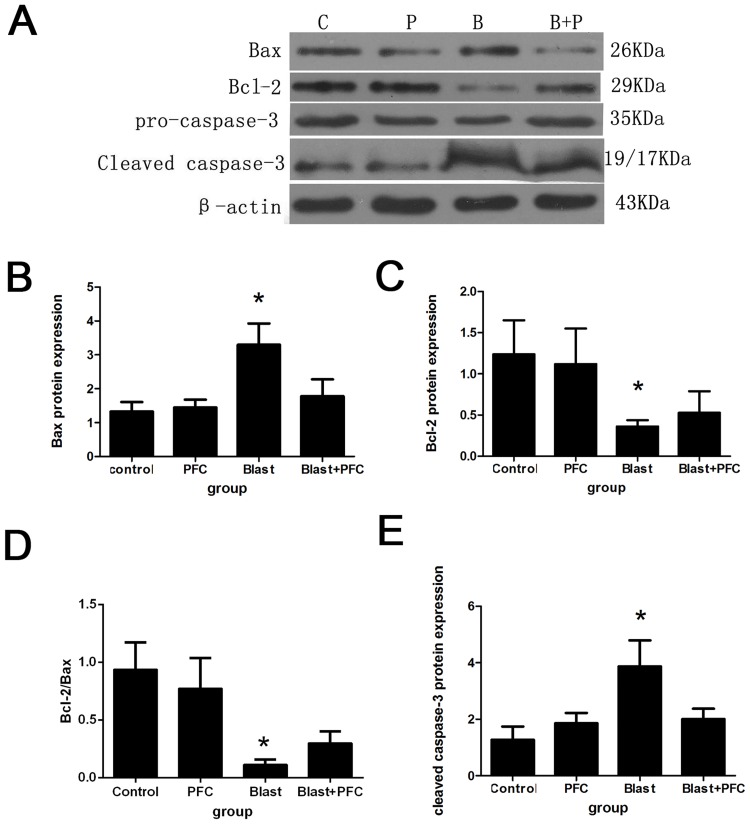
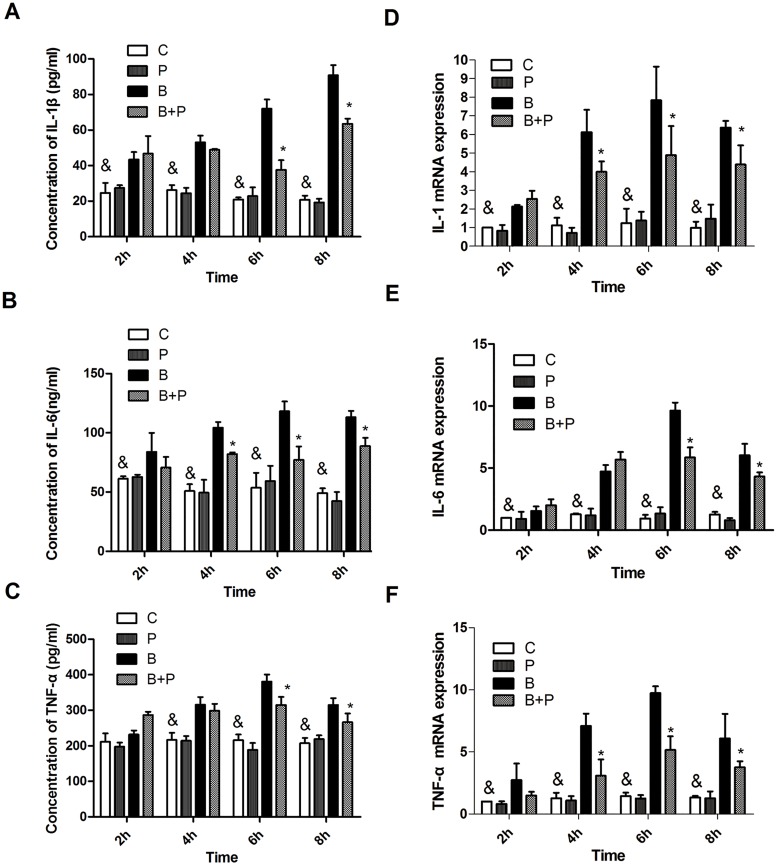
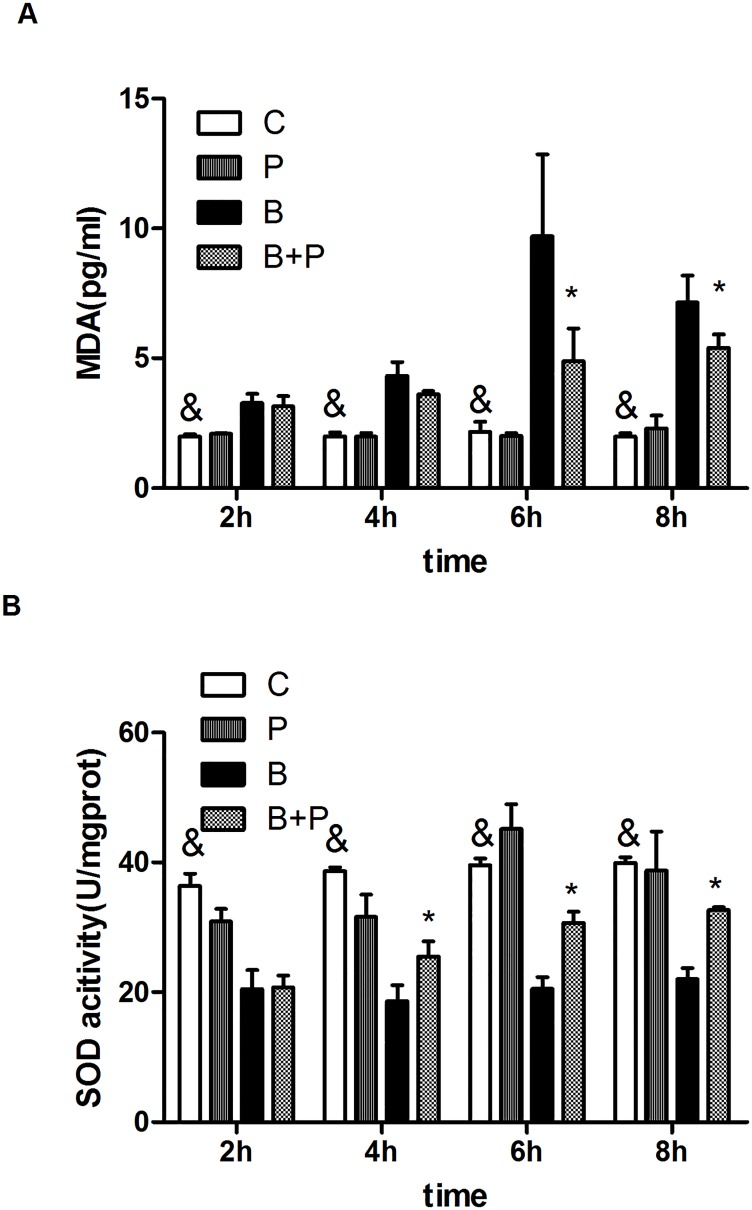
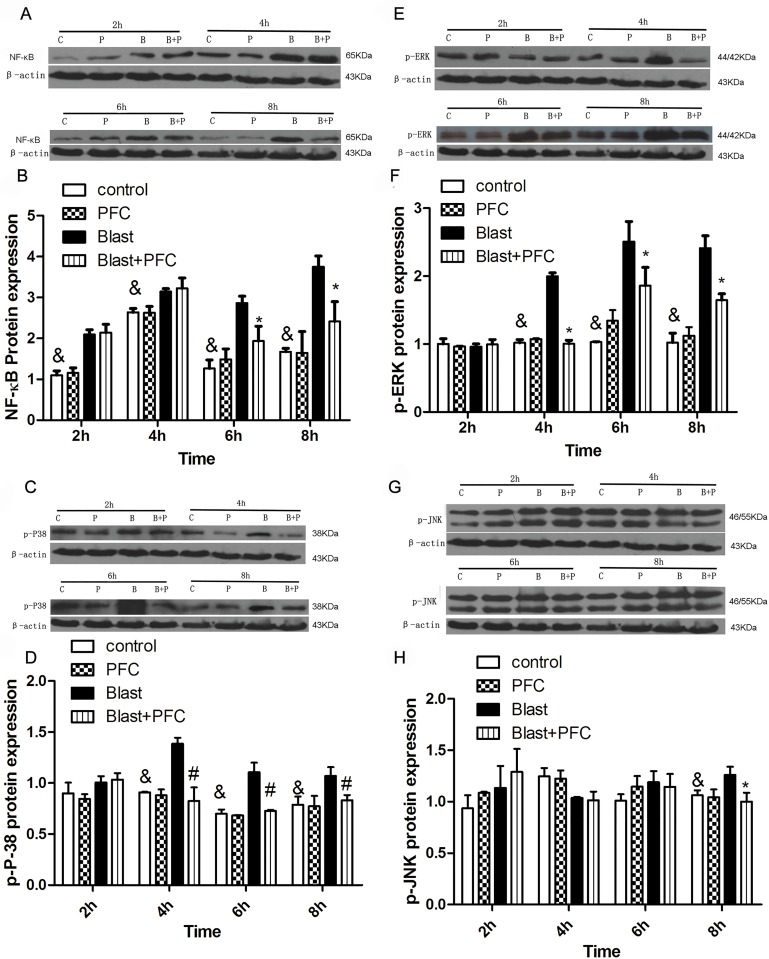
A549 alveolar epithelial cells exposed to blast waves were treated with and without PFC. Morphological changes and apoptosis of A549 cells were recorded. PCR and enzyme-linked immunosorbent assay (ELISA) were used to measure the mRNA or protein levels of IL-1β, IL-6 and TNF-α. Malondialdehyde (MDA) levels and superoxide dismutase (SOD) activity levels were detected. Western blot was used to quantify the expression of NF-κB, Bax, Bcl-2, cleaved caspase-3 and MAPK cell signaling proteins.
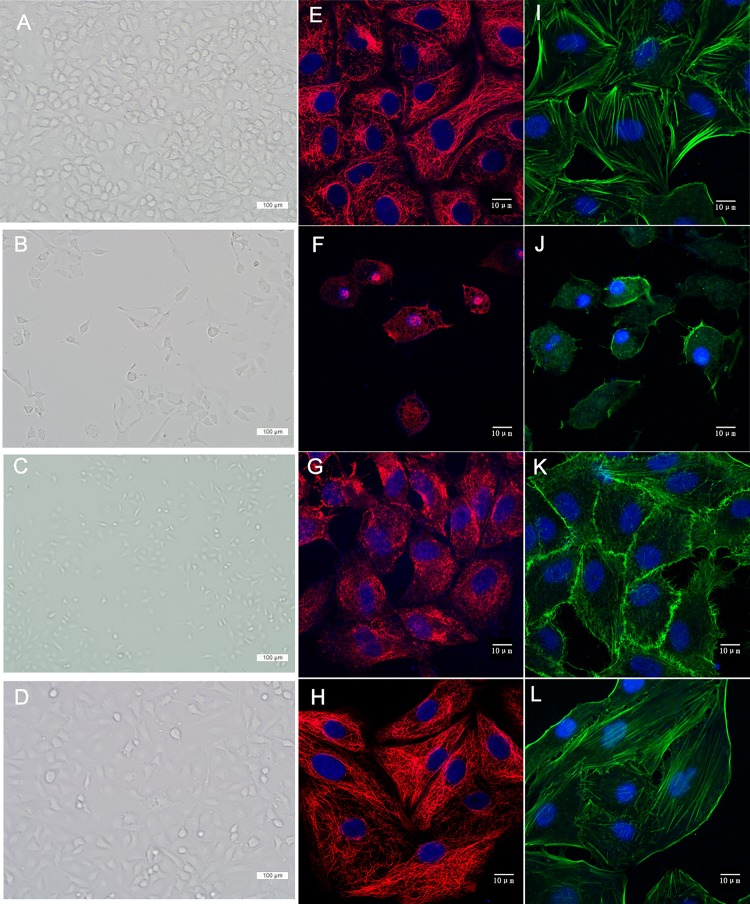
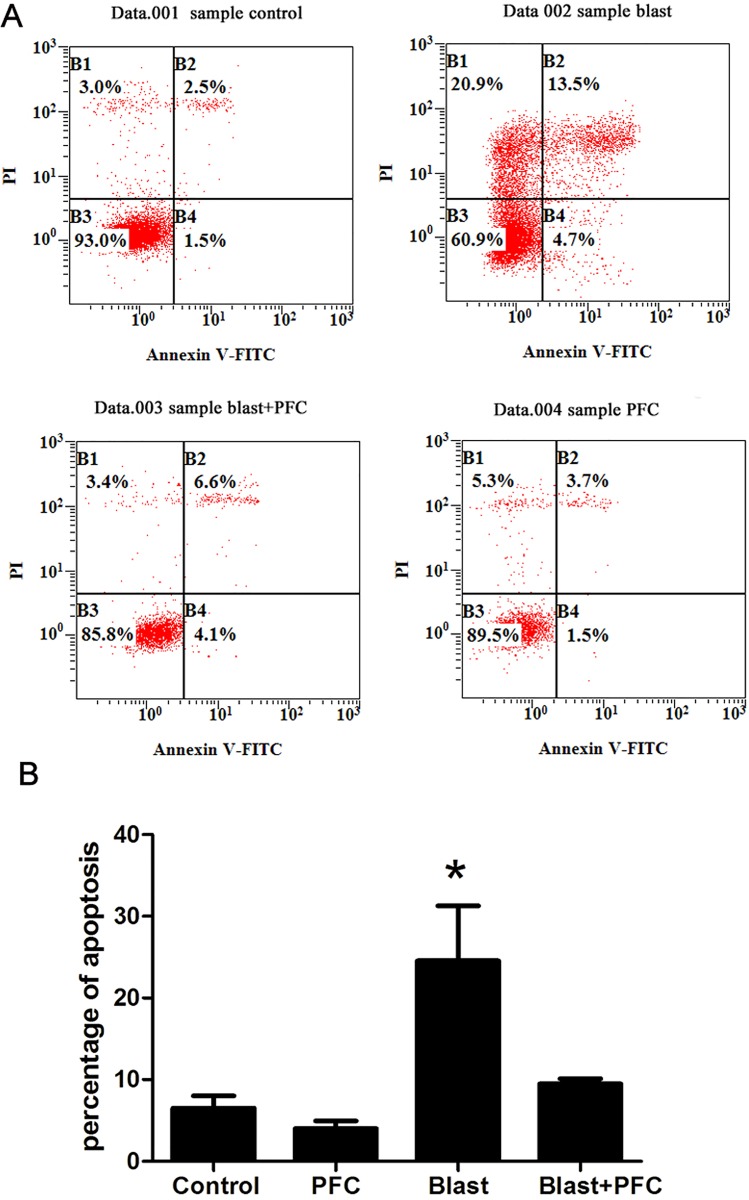
A549 cells exposed to blast wave shrank, with less cell-cell contact. The morphological change of A549 cells exposed to blast waves were alleviated by PFC. PFC significantly inhibited the apoptosis of A549 cells exposed to blast waves. IL-1β, IL-6 and TNF-α cytokine and mRNA expression levels were significantly inhibited by PFC. PFC significantly increased MDA levels and decreased SOD activity levels. Further studies indicated that NF-κB, Bax, caspase-3, phospho-p38, phosphor-ERK and phosphor-JNK proteins were also suppressed by PFC. The quantity of Bcl-2 protein was increased by PFC.
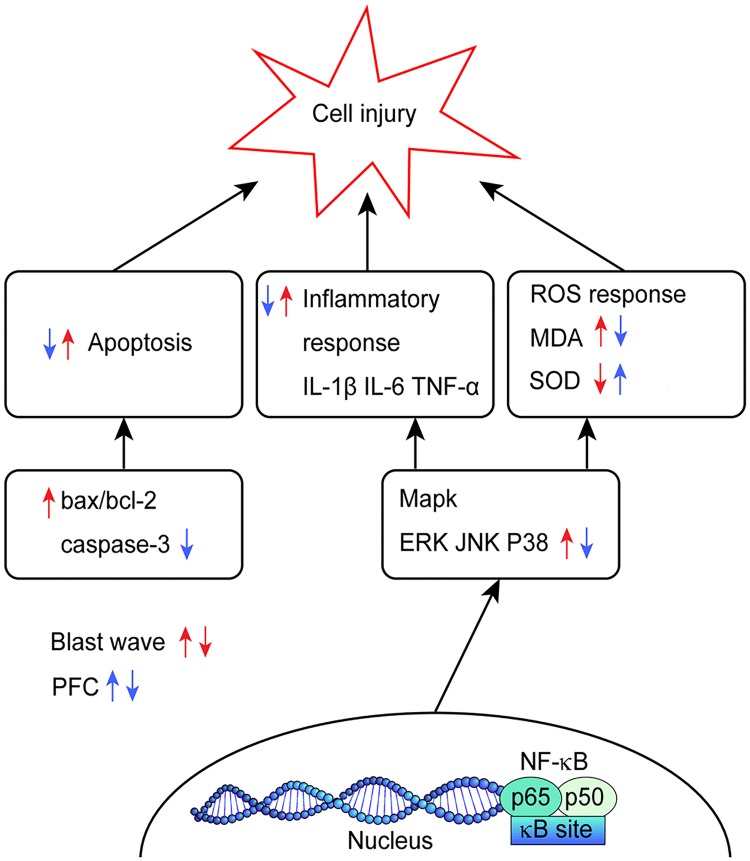
Our research showed that PFC reduced A549 cell damage caused by blast injury. The potential mechanism may be associated with the following signaling pathways: 1) the signaling pathways of NF-κB and MAPK, which inhibit inflammation and reactive oxygen species (ROS); and 2) the signaling pathways of Bcl-2/Bax and caspase-3, which inhibit apoptosis.
爆震性肺损伤是爆震伤的常见类型,死亡率极高。因此,寻找治疗爆震伤的医学疗法的研究具有重要意义。全氟碳化物(PFC)用于改善患病肺部的气体交换,在体外和体内均具有抗炎功能。本研究旨在确定PFC是否能减轻爆震伤对A549细胞的损伤,并阐明其可能的作用机制。
将暴露于冲击波的A549肺泡上皮细胞分别用PFC处理和不处理。记录A549细胞的形态变化和凋亡情况。采用聚合酶链反应(PCR)和酶联免疫吸附测定(ELISA)检测白细胞介素-1β(IL-1β)、白细胞介素-6(IL-6)和肿瘤坏死因子-α(TNF-α)的mRNA或蛋白水平。检测丙二醛(MDA)水平和超氧化物歧化酶(SOD)活性水平。采用蛋白质印迹法对核因子-κB(NF-κB)、Bax、Bcl-2、裂解的半胱天冬酶-3(cleaved caspase-3)和丝裂原活化蛋白激酶(MAPK)细胞信号蛋白的表达进行定量分析。
暴露于冲击波的A549细胞萎缩,细胞间接触减少。PFC减轻了暴露于冲击波的A549细胞的形态变化。PFC显著抑制了暴露于冲击波的A549细胞的凋亡。PFC显著抑制了IL-1β、IL-6和TNF-α细胞因子及mRNA表达水平。PFC显著提高了MDA水平,降低了SOD活性水平。进一步研究表明,PFC还抑制了NF-κB、Bax、半胱天冬酶-3、磷酸化p38(phospho-p38)、磷酸化细胞外信号调节激酶(phosphor-ERK)和磷酸化应激活化蛋白激酶(phosphor-JNK)蛋白。PFC增加了Bcl-2蛋白的量。
我们的研究表明,PFC减轻了爆震伤对A549细胞的损伤。潜在机制可能与以下信号通路有关:1)NF-κB和MAPK信号通路,其抑制炎症和活性氧(ROS);2)Bcl-2/Bax和半胱天冬酶-3信号通路,其抑制凋亡。