Department of Environmental Health, Harvard T.H. Chan School of Public Health, Boston, MA, USA.
Obesity Prevention Program, Department of Population Medicine, Harvard Medical School and Harvard Pilgrim Health Care Institute, Boston, MA, USA.
Sci Rep. 2017 Mar 21;7(1):288. doi: 10.1038/s41598-017-00384-5.
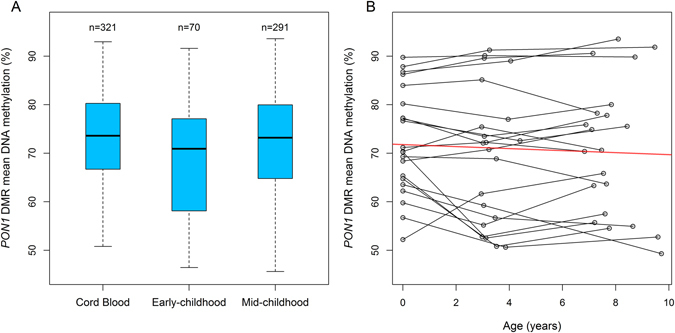
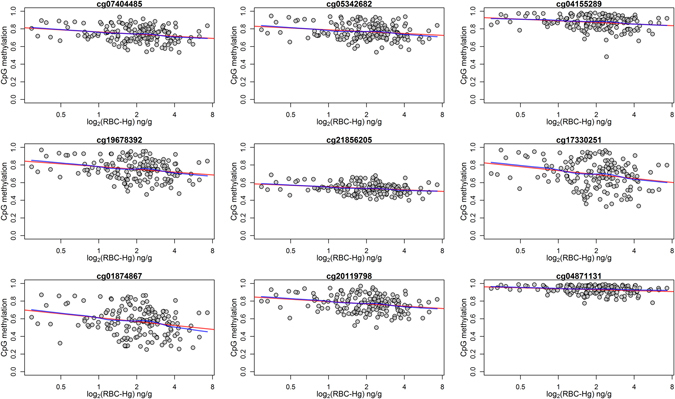
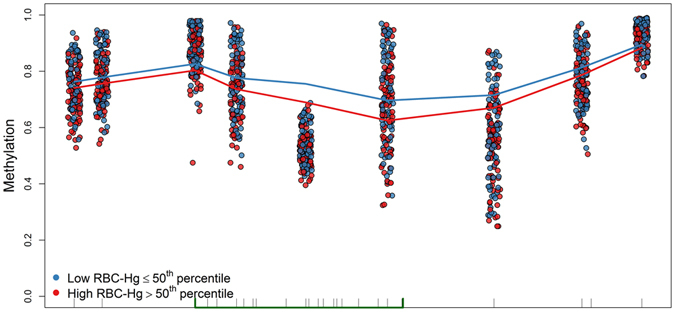
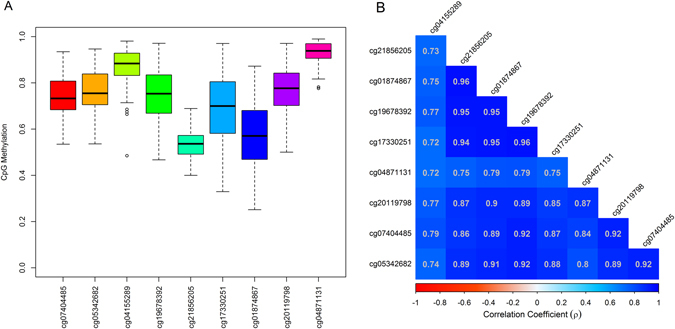
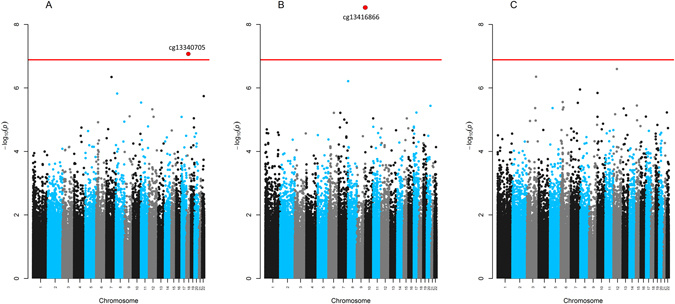
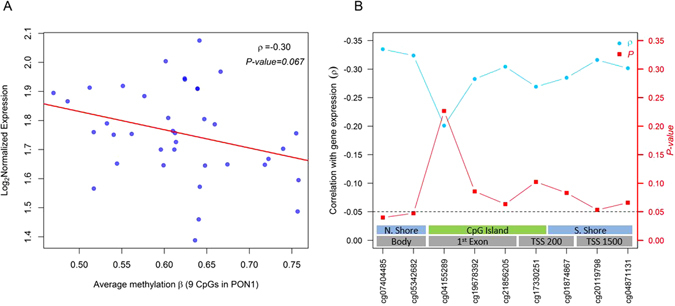
Prenatal exposure to mercury, a known neurotoxic metal, is associated with lower cognitive performance during childhood. Disruption of fetal epigenetic programming could explain mercury's neurodevelopmental effects. We screened for epigenome-wide methylation differences associated with maternal prenatal blood mercury levels in 321 cord blood DNA samples and examined the persistence of these alterations during early (n = 75; 2.9-4.9 years) and mid-childhood (n = 291; 6.7-10.5 years). Among males, prenatal mercury levels were associated with lower regional cord blood DNA methylation at the Paraoxonase 1 gene (PON1) that persisted in early childhood and was attenuated in mid-childhood blood. Cord blood methylation at the PON1 locus predicted lower cognitive test scores measured during early childhood. Methylation at the PON1 locus was associated with PON1 expression in an independent set of cord blood samples. The observed persistent epigenetic disruption of the PON1 gene may modulate mercury toxicity in humans and might serve as a biomarker of exposure and disease susceptibility.
产前暴露于汞(一种已知的神经毒性金属)与儿童期认知表现降低有关。胎儿表观遗传编程的中断可以解释汞的神经发育效应。我们在 321 份脐带血 DNA 样本中筛选了与母体产前血汞水平相关的全基因组甲基化差异,并在早期(n=75;2.9-4.9 岁)和中期(n=291;6.7-10.5 岁)儿童中检查了这些改变的持续性。在男性中,产前汞水平与 Paraoxonase 1 基因(PON1)的脐带血 DNA 低区域甲基化相关,这种甲基化在早期儿童期持续存在,并在中期儿童期血液中减弱。PON1 基因座的脐带血甲基化预测了早期儿童期认知测试得分较低。PON1 基因座的甲基化与独立的脐带血样本中的 PON1 表达相关。PON1 基因持续的表观遗传破坏可能调节人类的汞毒性,并且可以作为暴露和疾病易感性的生物标志物。