Radhakrishnan Srinivasan, Erbis Serkan, Isaacs Jacqueline A, Kamarthi Sagar
Department of Mechanical and Industrial Engineering, Northeastern University, Boston, Massachusetts, United States of America.
PLoS One. 2017 Mar 22;12(3):e0172778. doi: 10.1371/journal.pone.0172778. eCollection 2017.
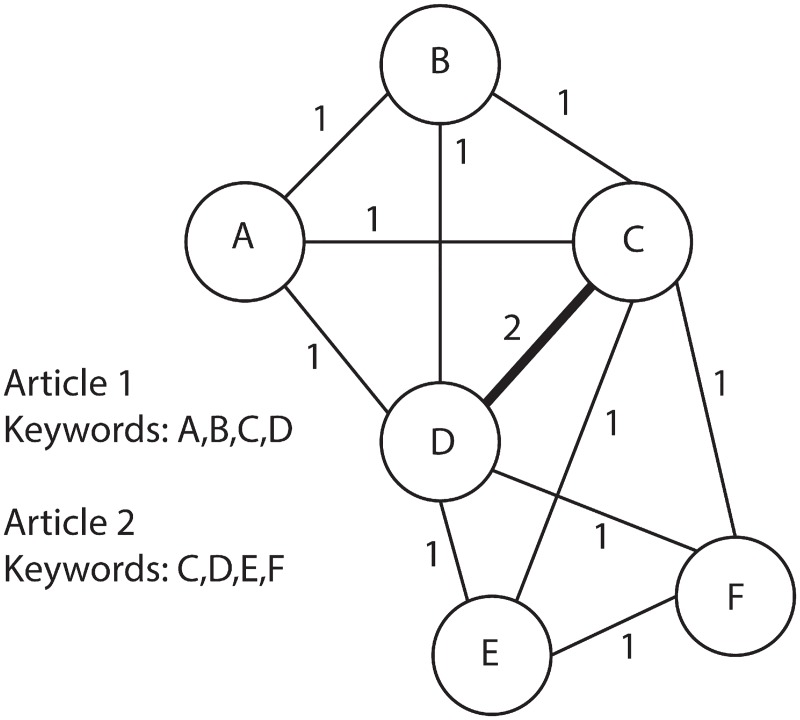
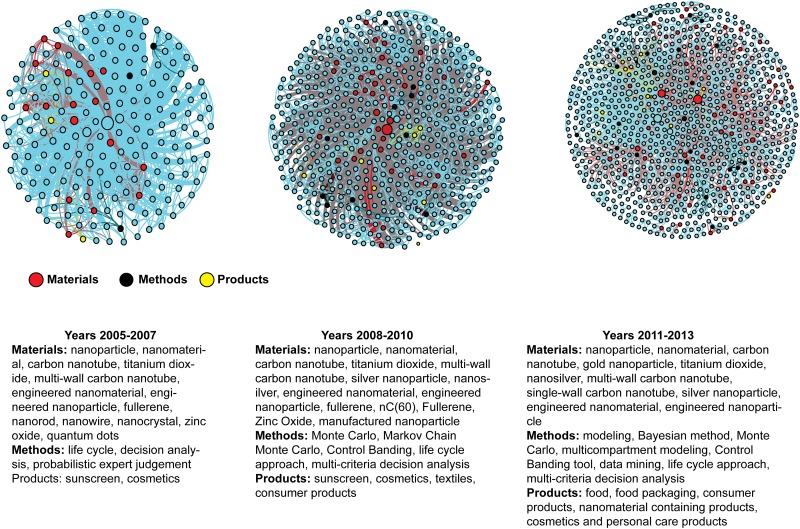
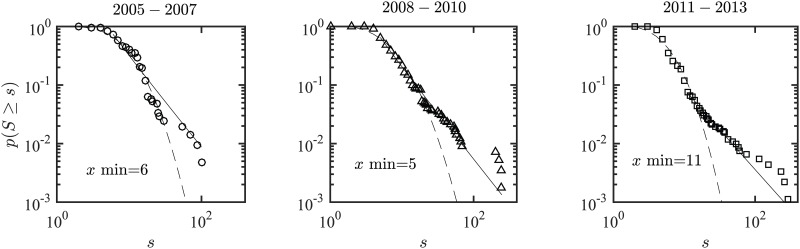
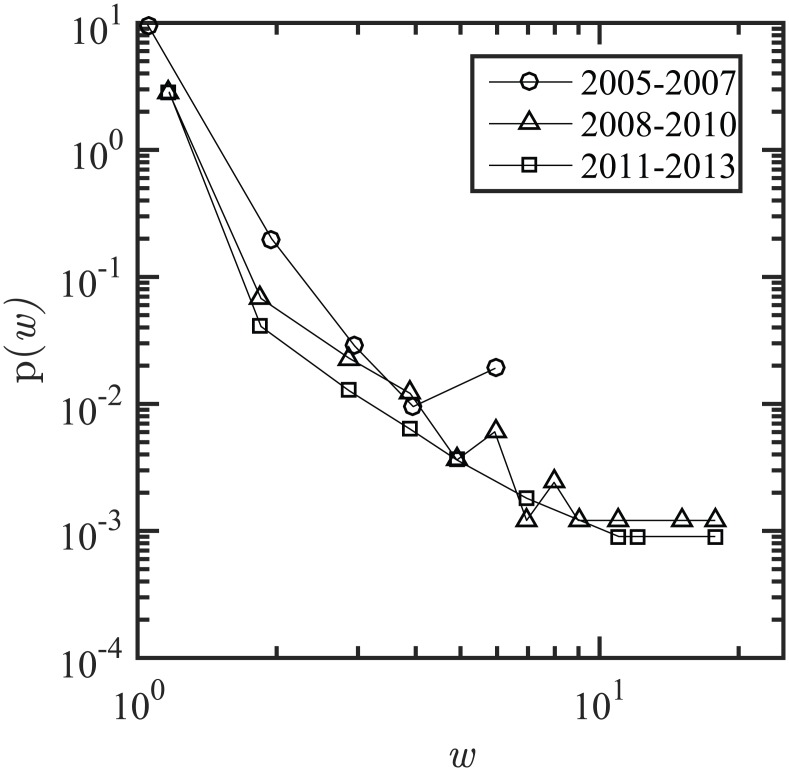
Systematic reviews of scientific literature are important for mapping the existing state of research and highlighting further growth channels in a field of study, but systematic reviews are inherently tedious, time consuming, and manual in nature. In recent years, keyword co-occurrence networks (KCNs) are exploited for knowledge mapping. In a KCN, each keyword is represented as a node and each co-occurrence of a pair of words is represented as a link. The number of times that a pair of words co-occurs in multiple articles constitutes the weight of the link connecting the pair. The network constructed in this manner represents cumulative knowledge of a domain and helps to uncover meaningful knowledge components and insights based on the patterns and strength of links between keywords that appear in the literature. In this work, we propose a KCN-based approach that can be implemented prior to undertaking a systematic review to guide and accelerate the review process. The novelty of this method lies in the new metrics used for statistical analysis of a KCN that differ from those typically used for KCN analysis. The approach is demonstrated through its application to nano-related Environmental, Health, and Safety (EHS) risk literature. The KCN approach identified the knowledge components, knowledge structure, and research trends that match with those discovered through a traditional systematic review of the nanoEHS field. Because KCN-based analyses can be conducted more quickly to explore a vast amount of literature, this method can provide a knowledge map and insights prior to undertaking a rigorous traditional systematic review. This two-step approach can significantly reduce the effort and time required for a traditional systematic literature review. The proposed KCN-based pre-systematic review method is universal. It can be applied to any scientific field of study to prepare a knowledge map.
对科学文献进行系统综述对于梳理研究现状和凸显某一研究领域未来的发展方向至关重要,但系统综述本身繁琐、耗时且依赖人工操作。近年来,关键词共现网络(KCNs)被用于知识图谱构建。在一个关键词共现网络中,每个关键词被表示为一个节点,每对关键词的共现被表示为一条边。一对关键词在多篇文章中共同出现的次数构成连接这两个关键词的边的权重。以这种方式构建的网络代表了一个领域的累积知识,并有助于基于文献中出现的关键词之间的边的模式和强度揭示有意义的知识成分和见解。在这项工作中,我们提出了一种基于关键词共现网络的方法,该方法可以在进行系统综述之前实施,以指导和加速综述过程。该方法的新颖之处在于用于关键词共现网络统计分析的新指标,这些指标不同于通常用于关键词共现网络分析的指标。通过将该方法应用于纳米相关的环境、健康和安全(EHS)风险文献来展示该方法。关键词共现网络方法识别出的知识成分、知识结构和研究趋势与通过对纳米环境健康与安全领域进行传统系统综述所发现的结果相匹配。由于基于关键词共现网络的分析可以更快地进行以探索大量文献,因此该方法可以在进行严格的传统系统综述之前提供知识图谱和见解。这种两步法可以显著减少传统系统文献综述所需的工作量和时间。所提出的基于关键词共现网络的系统综述前方法具有通用性。它可以应用于任何科学研究领域以制备知识图谱。