Marques Rafael Elias, Del Sarto Juliana L, Rocha Rebeca P F, Gomes Giovanni F, Cramer Allysson, Rachid Milene A, Souza Danielle G, Nogueira Maurício L, Teixeira Mauro M
Immunopharmacology, Departamento de Bioquímica e Imunologia, Instituto de Ciências Biológicas, Universidade Federal de Minas Gerais, Belo Horizonte, Minas Gerais, Brazil.
Present address: Laboratório Nacional de Biociências, Centro Nacional de Pesquisa em Energia e Materiais, Campinas, São Paulo, Brazil.
J Neuroinflammation. 2017 Mar 22;14(1):61. doi: 10.1186/s12974-017-0837-2.
Flaviviruses are a genre of closely related viral pathogens which emerged in the last decades in Brazil and in the world. Saint (St.) Louis encephalitis virus (SLEV) is a neglected flavivirus that can cause a severe neurological disease that may lead to death or sequelae. St. Louis encephalitis pathogenesis is poorly understood, which hinders the development of specific treatment or vaccine.
To address this problem, we developed a model of SLEV infection in mice to study mechanisms involved in the pathogenesis of severe disease. The model consists in the intracranial inoculation of the SLEV strain BeH 355964, a strain isolated from a symptomatic human patient in Brazil, in adult immunocompetent mice.
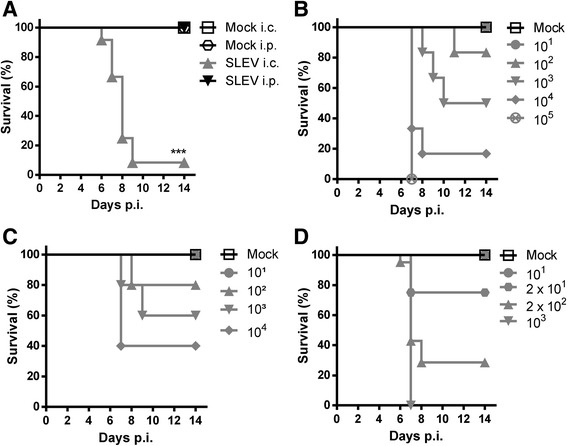
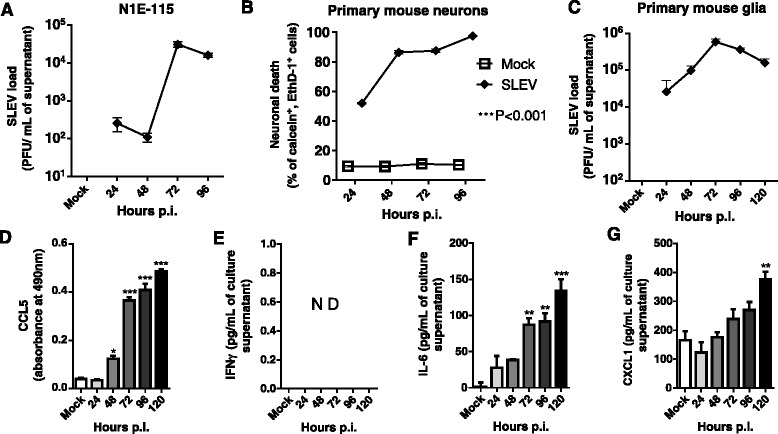
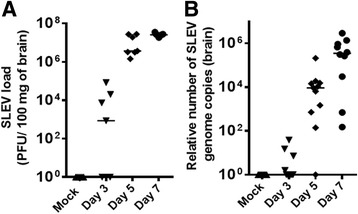
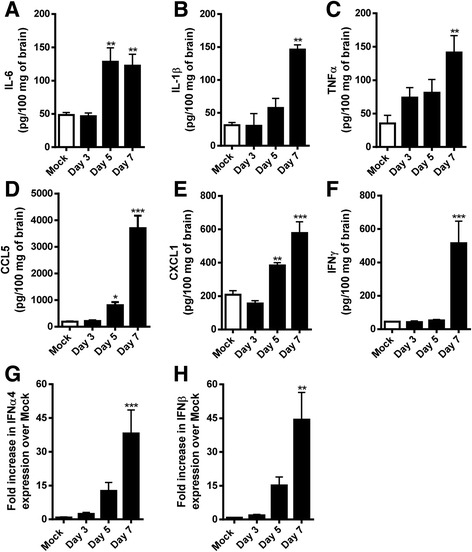
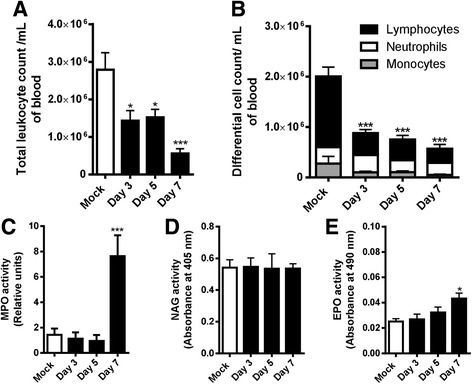
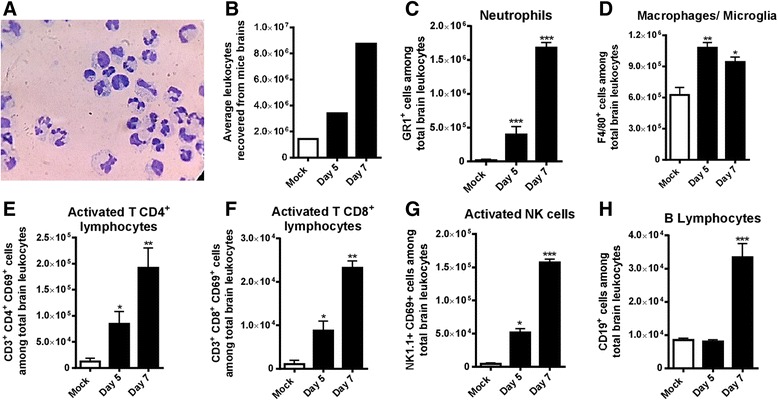
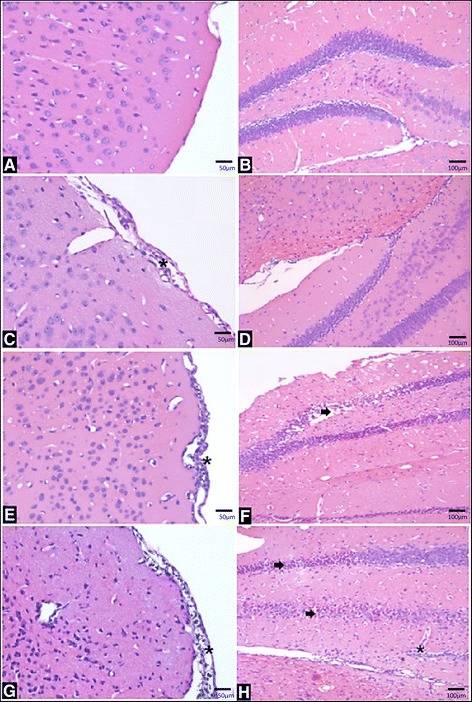
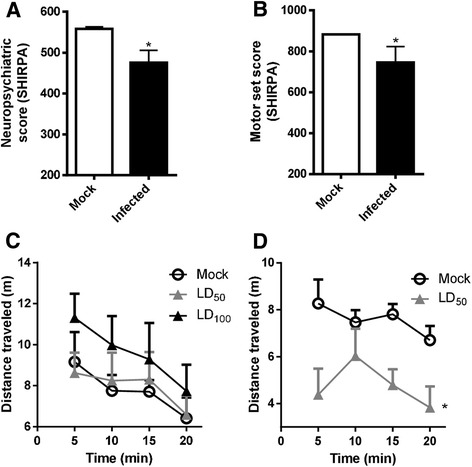
Inoculated mice presented SLEV replication in the brain, accompanied by tissue damage, disease signs, and mortality approximately 7 days post infection. Infection was characterized by the production of proinflammatory cytokines and interferons and by leukocyte recruitment to the brain, composed mainly by neutrophils and lymphocytes. In vitro experiments indicated that SLEV is able to replicate in both neurons and glia and caused neuronal death and cytokine production, respectively.
Altogether, intracranial SLEV infection leads to meningoencephalitis in mice, recapitulating several aspects of St. Louis encephalitis in humans. Our study indicates that the central nervous system (CNS) inflammation is a major component of SLEV-induced disease. This model may be useful to identify mechanisms of disease pathogenesis or resistance to SLEV infection.
黄病毒是一类密切相关的病毒病原体,在过去几十年中出现在巴西及全球。圣路易斯脑炎病毒(SLEV)是一种被忽视的黄病毒,可引发严重的神经系统疾病,可能导致死亡或后遗症。圣路易斯脑炎的发病机制尚不清楚,这阻碍了特异性治疗方法或疫苗的研发。
为解决这一问题,我们建立了小鼠SLEV感染模型,以研究严重疾病发病机制中涉及的机制。该模型是将从巴西一名有症状的人类患者分离出的SLEV毒株BeH 355964颅内接种到成年免疫功能正常的小鼠体内。
接种后的小鼠在感染后约7天出现大脑中的SLEV复制,伴有组织损伤、疾病体征和死亡。感染的特征是促炎细胞因子和干扰素的产生以及白细胞募集到大脑,主要由中性粒细胞和淋巴细胞组成。体外实验表明,SLEV能够在神经元和神经胶质细胞中复制,并分别导致神经元死亡和细胞因子产生。
总之,颅内SLEV感染导致小鼠脑膜脑炎,概括了人类圣路易斯脑炎的几个方面。我们的研究表明,中枢神经系统(CNS)炎症是SLEV诱导疾病的主要组成部分。该模型可能有助于识别疾病发病机制或对SLEV感染的抵抗力机制。