Zhang Rui, Li Nian-Wu, Cheng Xin-Bing, Yin Ya-Xia, Zhang Qiang, Guo Yu-Guo
Beijing Key Laboratory of Green Chemical Reaction Engineering and Technology Department of Chemical Engineering Tsinghua University Beijing 100084 P. R. China.
CAS Key Laboratory of Molecular Nanostructure and Nanotechnology Beijing National Laboratory for Molecular Sciences Institute of Chemistry Chinese Academy of Sciences (CAS) Beijing 100190 P. R. China.
Adv Sci (Weinh). 2017 Feb 16;4(3):1600445. doi: 10.1002/advs.201600445. eCollection 2017 Mar.
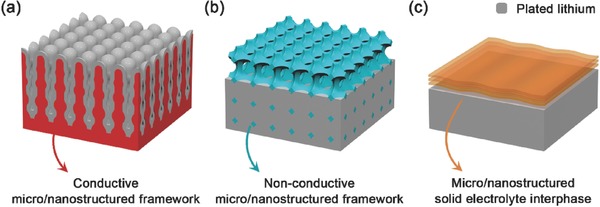
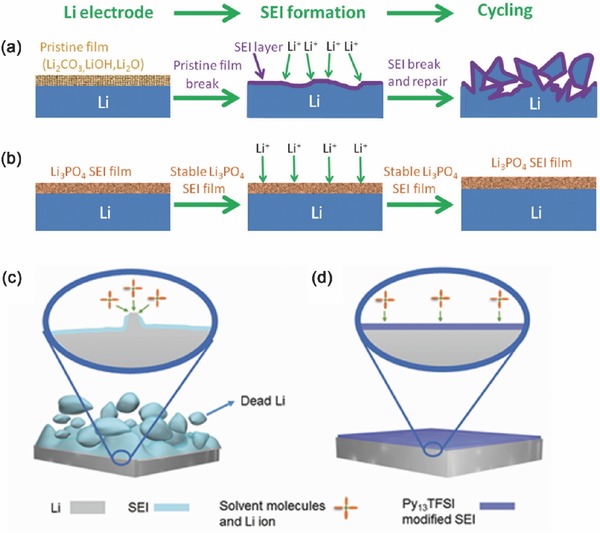
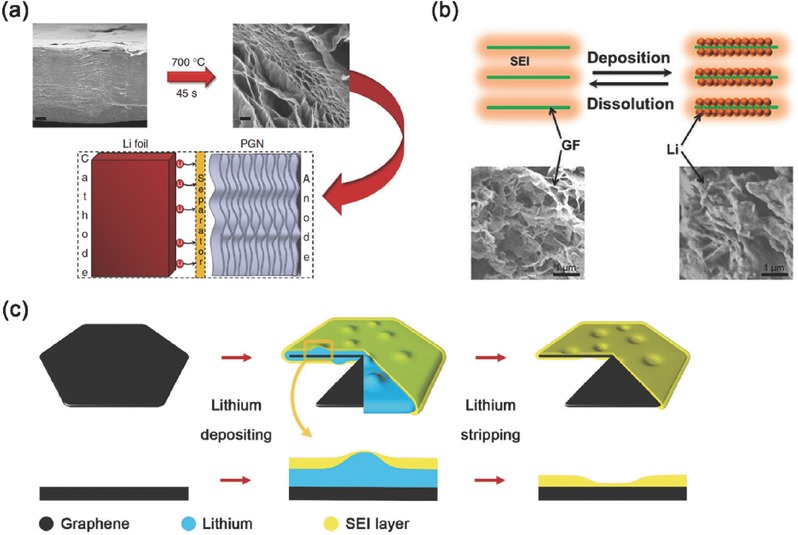
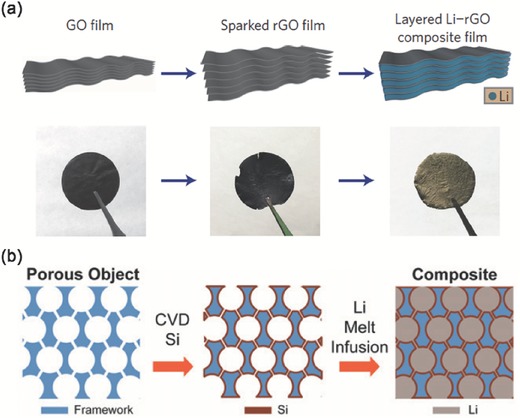
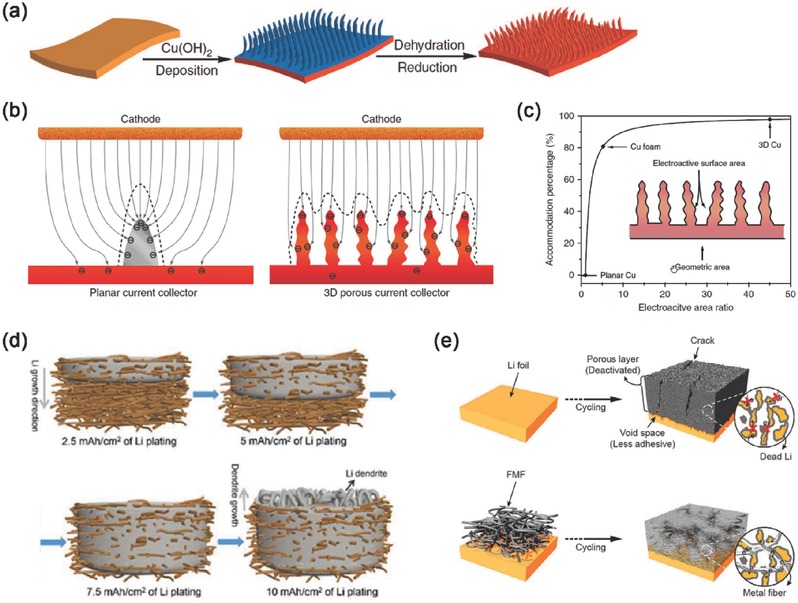
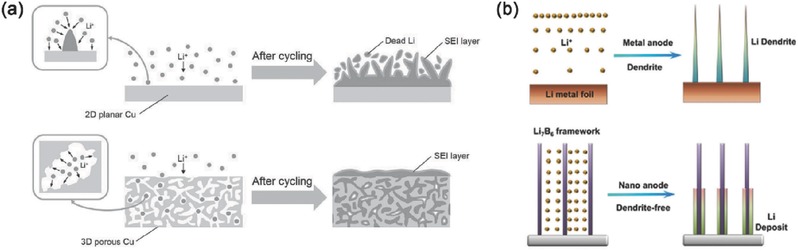
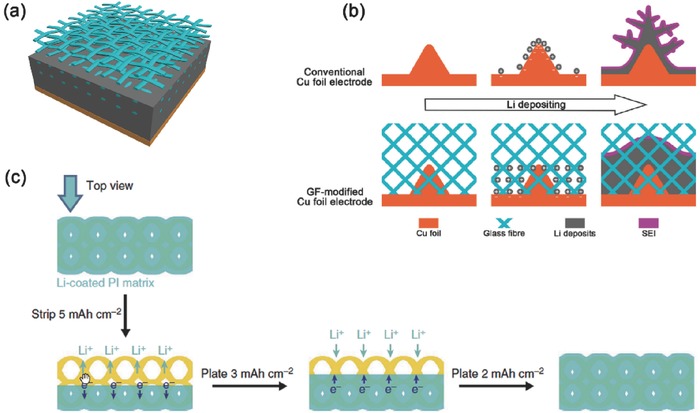
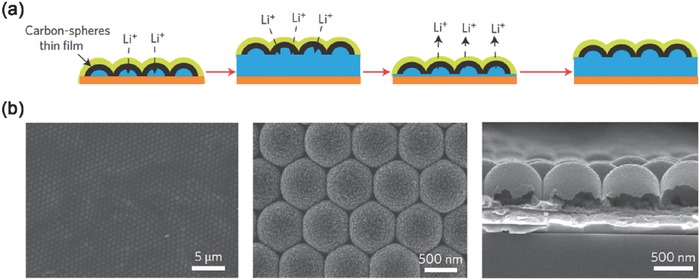
Owning to their very high theoretical capacity, lithium metal anodes are expected to fuel the extensive practical applications in portable electronics and electric vehicles. However, unstable solid electrolyte interphase and lithium dendrite growth during lithium plating/stripping induce poor safety, low Coulombic efficiency, and short span life of lithium metal batteries. Lately, varies of micro/nanostructured lithium metal anodes are proposed to address these issues in lithium metal batteries. With the unique surface, pore, and connecting structures of different nanomaterials, lithium plating/stripping processes have been regulated. Thus the electrochemical properties and lithium morphologies have been significantly improved. These micro/nanostructured lithium metal anodes shed new light on the future applications for lithium metal batteries.
由于其极高的理论容量,锂金属负极有望推动在便携式电子设备和电动汽车中的广泛实际应用。然而,锂金属电池在锂电镀/剥离过程中不稳定的固体电解质界面和锂枝晶生长会导致安全性差、库仑效率低和使用寿命短。最近,人们提出了各种微/纳米结构的锂金属负极来解决锂金属电池中的这些问题。通过不同纳米材料独特的表面、孔隙和连接结构,锂电镀/剥离过程得到了调控。因此,电化学性能和锂形态得到了显著改善。这些微/纳米结构的锂金属负极照亮了锂金属电池未来的应用前景。