Mahmood Nasir, Hou Yanglong
Department of Materials Science and Engineering College of Engineering, Peking University Beijing 100871 China.
Adv Sci (Weinh). 2014 Dec 29;1(1):1400012. doi: 10.1002/advs.201400012. eCollection 2014 Dec.
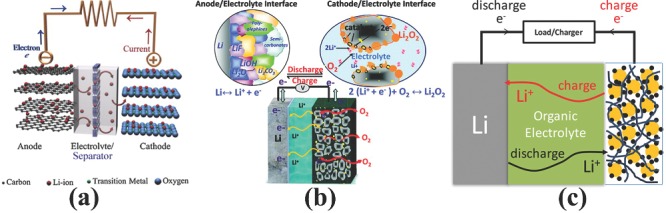
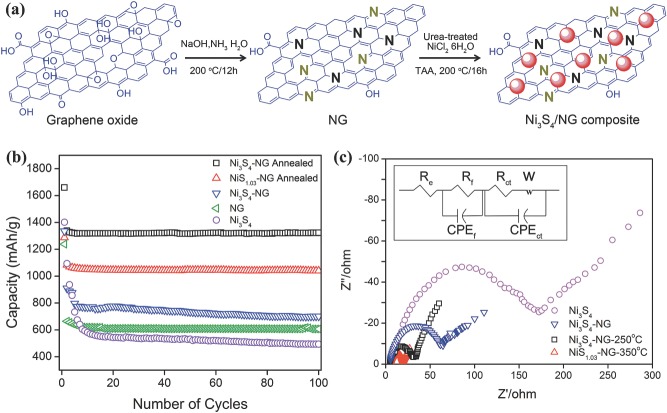
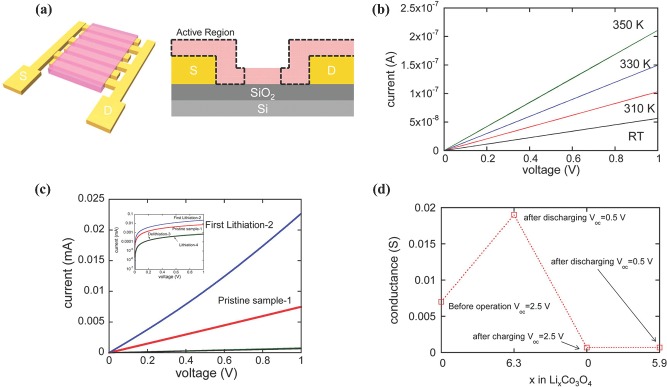
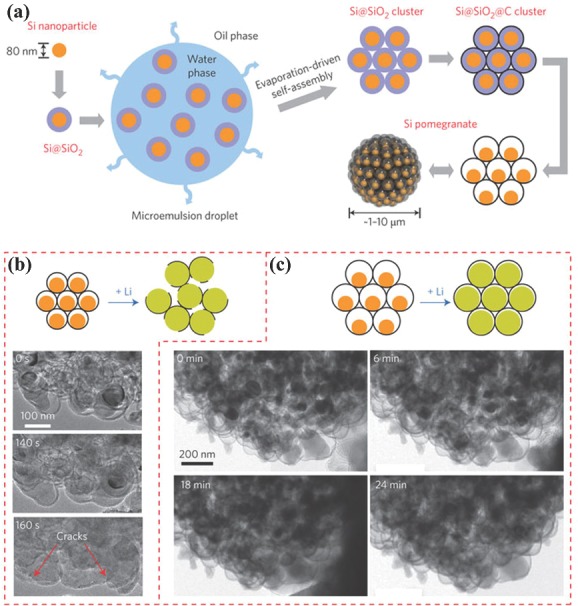
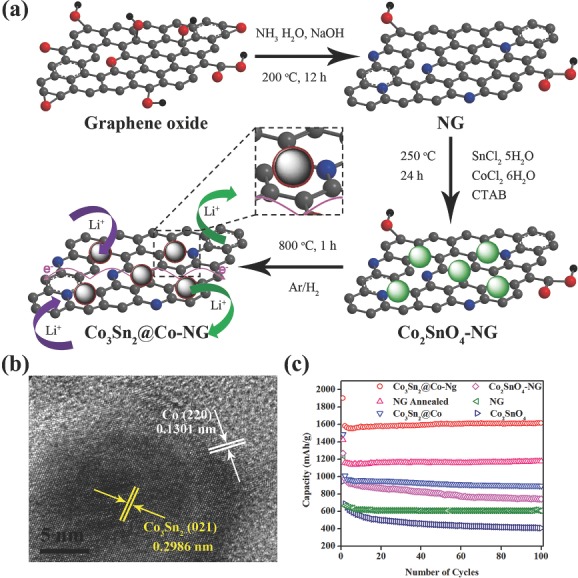
Lithium-based batteries possessing energy densities much higher than those of the conventional batteries belong to the most promising class of future energy devices. However, there are some fundamental issues related to their electrodes which are big roadblocks in their applications to electric vehicles (EVs). Nanochemistry has advantageous roles to overcome these problems by defining new nanostructures of electrode materials. This review article will highlight the challenges associated with these chemistries both to bring high performance and longevity upon considering the working principles of the various types of lithium-based (Li-ion, Li-air and Li-S) batteries. Further, the review discusses the advantages and challenges of nanomaterials in nanostructured electrodes of lithium-based batteries, concerns with lithium metal anode and the recent advancement in electrode nanostructures.
能量密度远高于传统电池的锂基电池属于未来最有前景的一类能源设备。然而,与它们的电极相关存在一些基本问题,这些问题是其应用于电动汽车(EV)的重大障碍。纳米化学通过定义电极材料的新纳米结构在克服这些问题方面具有有利作用。考虑到各种类型锂基(锂离子、锂空气和锂硫)电池的工作原理,这篇综述文章将重点强调与这些化学相关的挑战,以实现高性能和长寿命。此外,该综述讨论了锂基电池纳米结构电极中纳米材料的优势和挑战、对锂金属阳极的担忧以及电极纳米结构的最新进展。