Eirin Alfonso, Zhu Xiang-Yang, Puranik Amrutesh S, Woollard John R, Tang Hui, Dasari Surendra, Lerman Amir, van Wijnen Andre J, Lerman Lilach O
Division of Nephrology and Hypertension, Mayo Clinic, Rochester, Minnesota, United States of America.
Department of Health Sciences Research, Mayo Clinic, Rochester, Minnesota, United States of America.
PLoS One. 2017 Mar 23;12(3):e0174303. doi: 10.1371/journal.pone.0174303. eCollection 2017.
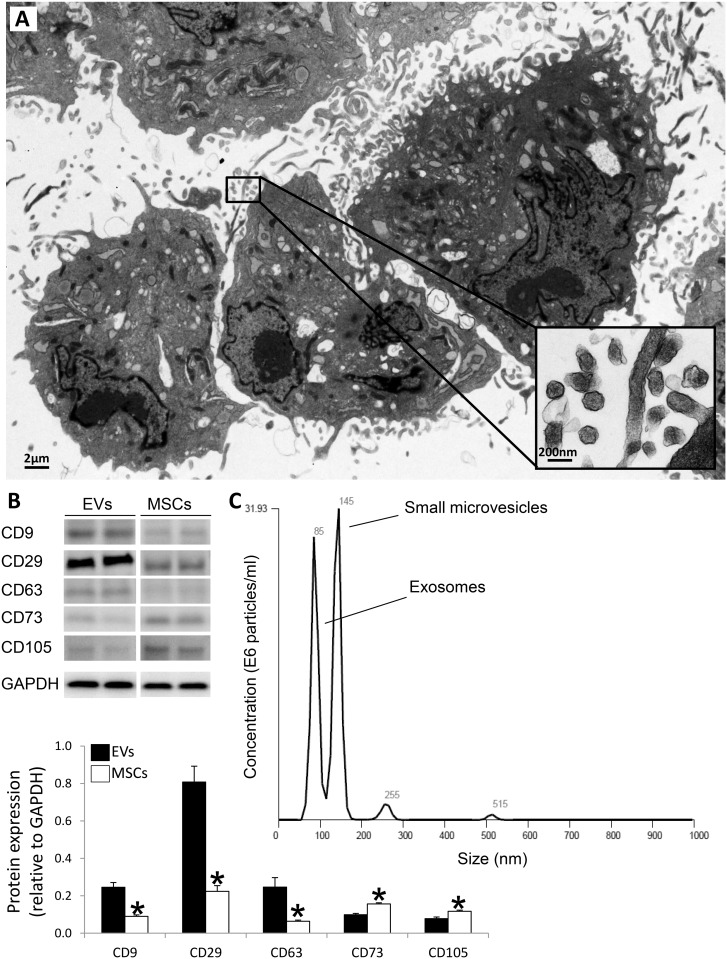
Mesenchymal stromal/stem cell (MSC) transplantation is a promising therapy for tissue regeneration. Extracellular vesicles (EVs) released by MSCs act as their paracrine effectors by delivering proteins and genetic material to recipient cells. To assess how their cargo mediates biological processes that drive their therapeutic effects, we integrated miRNA, mRNA, and protein expression data of EVs from porcine adipose tissue-derived MSCs.
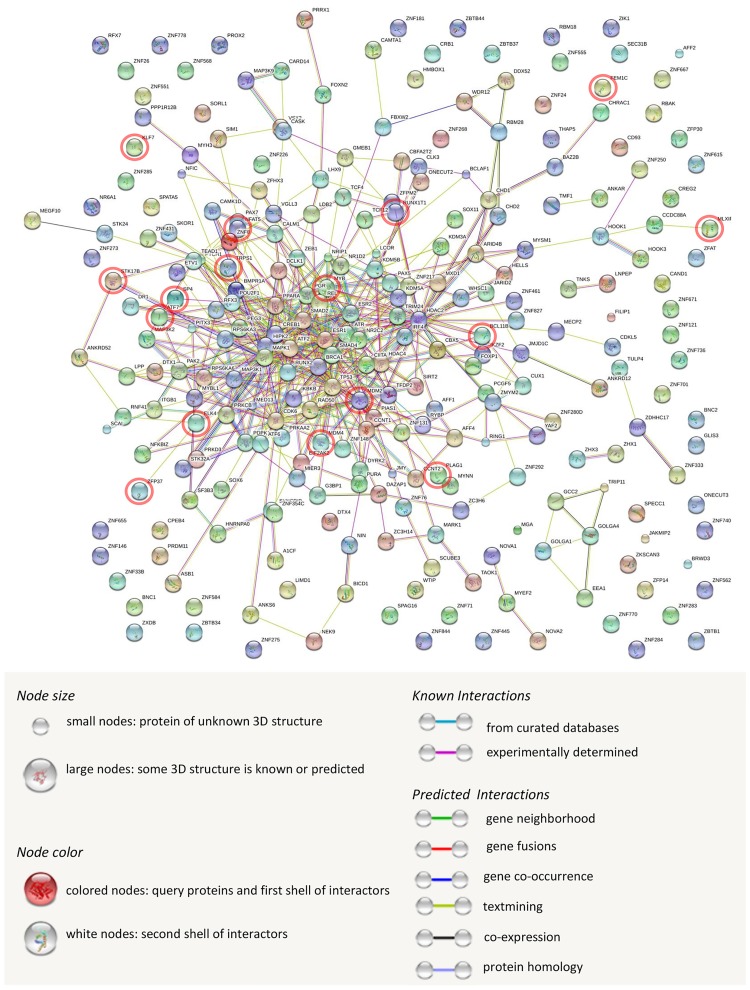
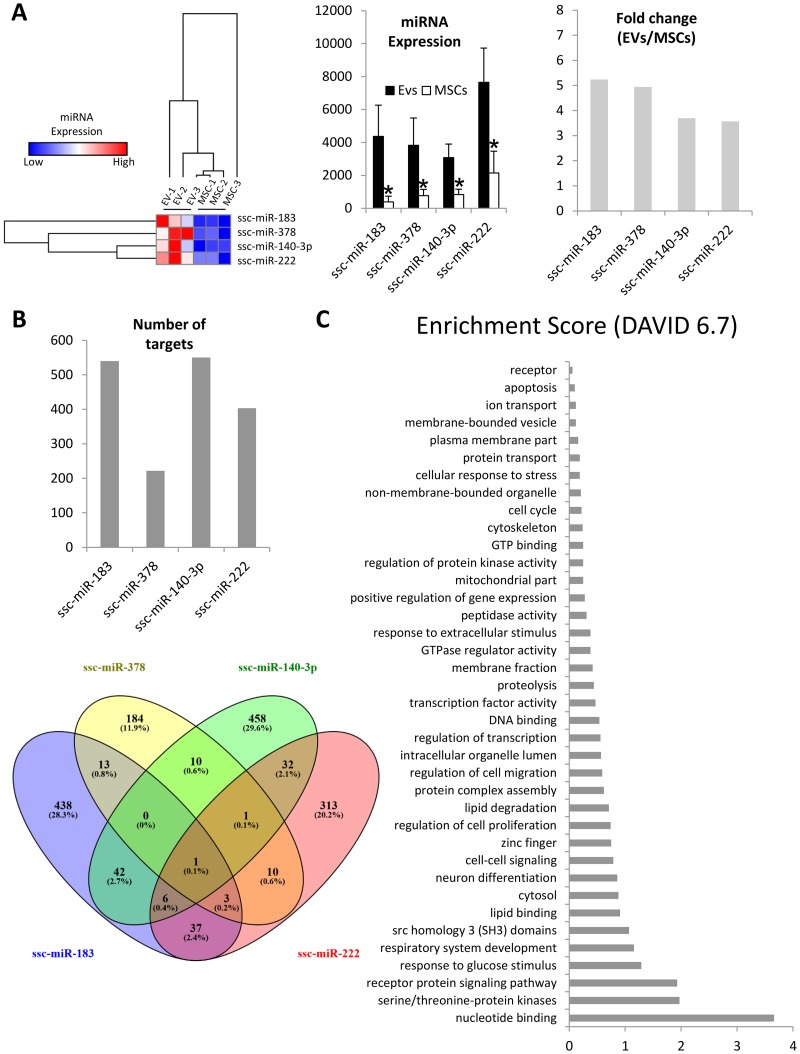
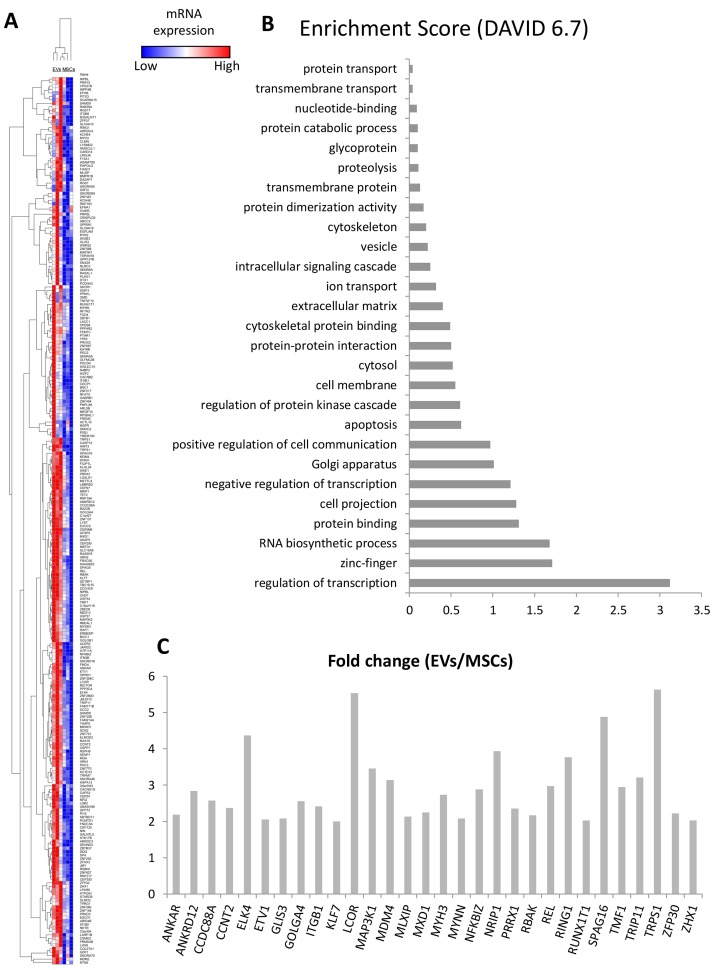
Simultaneous expression profiles of miRNAs, mRNAs, and proteins were obtained by high-throughput sequencing and LC-MS/MS proteomic analysis in porcine MSCs and their daughter EVs (n = 3 each). TargetScan and ComiR were used to predict miRNA target genes. Functional annotation analysis was performed using DAVID 6.7 database to rank primary gene ontology categories for the enriched mRNAs, miRNA target genes, and proteins. STRING was used to predict associations between mRNA and miRNA target genes.
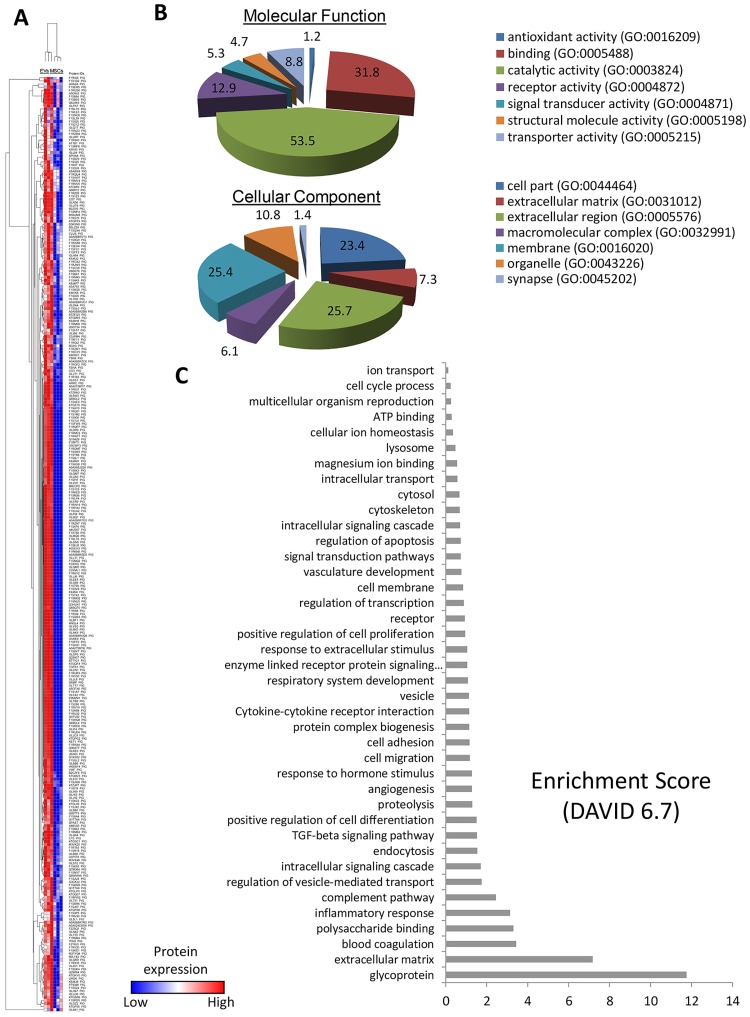
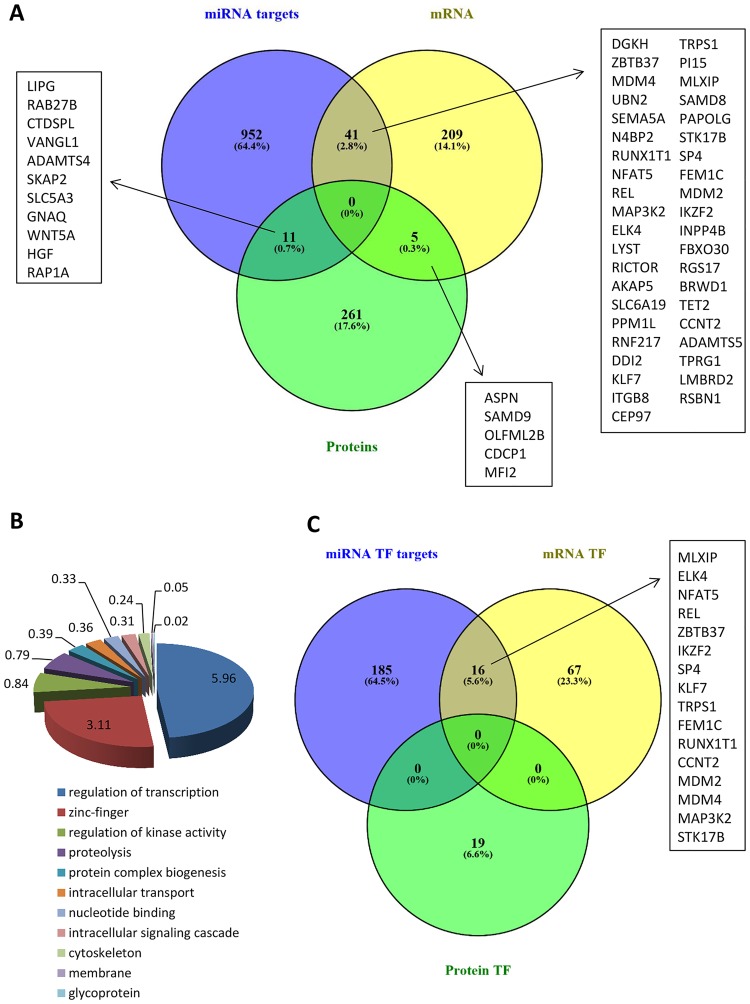
Differential expression analysis revealed 4 miRNAs, 255 mRNAs, and 277 proteins enriched in EVs versus MSCs (fold change >2, p<0.05). EV-enriched miRNAs target transcription factors (TFs) and EV-enriched mRNAs encode TFs, but TF proteins are not enriched in EVs. Rather, EVs are enriched for proteins that support extracellular matrix remodeling, blood coagulation, inflammation, and angiogenesis.
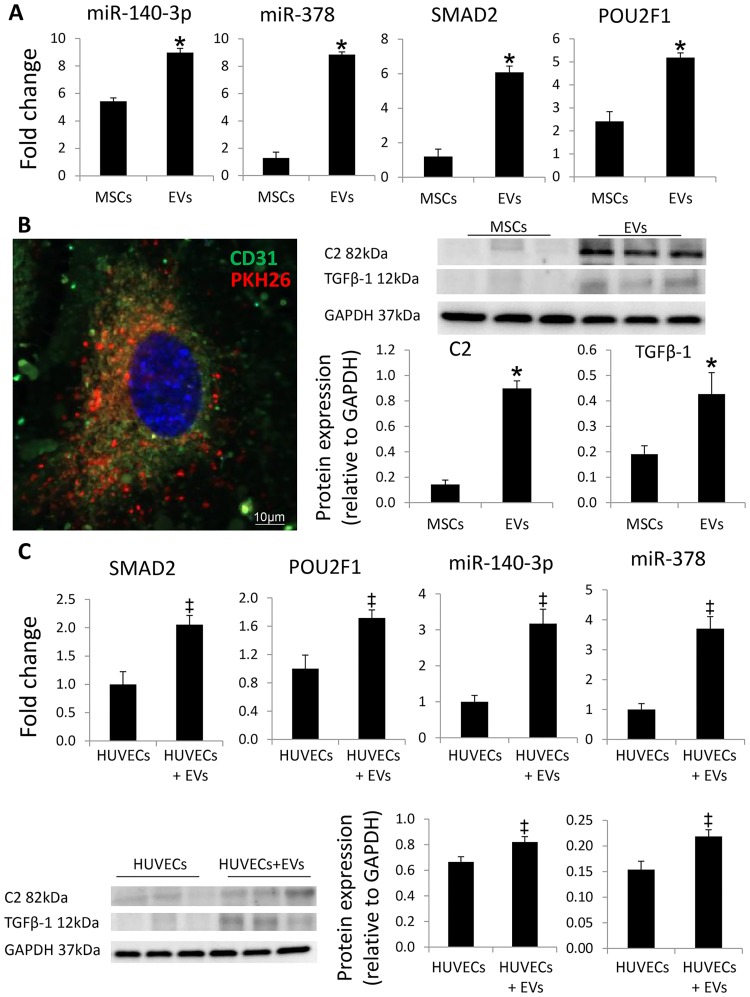
Porcine MSC-derived EVs contain a genetic cargo of miRNAs and mRNAs that collectively control TF activity in EVs and recipient cells, as well as proteins capable of modulating cellular pathways linked to tissue repair. These properties provide the fundamental basis for considering therapeutic use of EVs in tissue regeneration.
间充质基质/干细胞(MSC)移植是一种很有前景的组织再生疗法。MSC释放的细胞外囊泡(EVs)通过向受体细胞传递蛋白质和遗传物质,作为其旁分泌效应物。为了评估其货物如何介导驱动其治疗效果的生物学过程,我们整合了来自猪脂肪组织来源的MSC的EVs的miRNA、mRNA和蛋白质表达数据。
通过高通量测序和LC-MS/MS蛋白质组学分析,在猪MSC及其子代EVs(每组n = 3)中获得miRNA、mRNA和蛋白质的同时表达谱。使用TargetScan和ComiR预测miRNA靶基因。使用DAVID 6.7数据库进行功能注释分析,以对富集的mRNA、miRNA靶基因和蛋白质的主要基因本体类别进行排名。使用STRING预测mRNA与miRNA靶基因之间的关联。
差异表达分析显示,与MSC相比,EVs中富集了4种miRNA、255种mRNA和277种蛋白质(倍数变化>2,p<0.05)。富含EV的miRNA靶向转录因子(TFs),富含EV的mRNA编码TFs,但TF蛋白在EVs中不富集。相反,EVs富含支持细胞外基质重塑、血液凝固、炎症和血管生成的蛋白质。
猪MSC来源的EVs包含miRNA和mRNA的遗传货物,它们共同控制EVs和受体细胞中的TF活性,以及能够调节与组织修复相关的细胞途径的蛋白质。这些特性为考虑将EVs用于组织再生治疗提供了基本依据。