Wang Liguo, Zheng Dapeng, Zhang Shupeng, Cui Hongzhi, Li Dongxu
Jiangsu National Synergetic Innovation Center for Advanced Materials (SICAM), Nanjing Tech University, Nanjing 211800, China.
Guangdong Provincial Key Laboratory of Durability for Marine Civil Engineering, College of Civil Engineering, Shenzhen University, Shenzhen 518060, China.
Nanomaterials (Basel). 2016 Dec 15;6(12):241. doi: 10.3390/nano6120241.
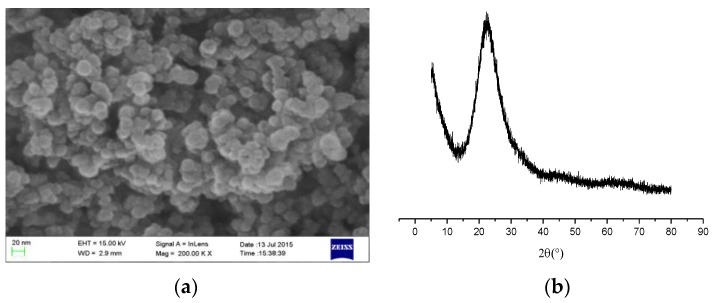
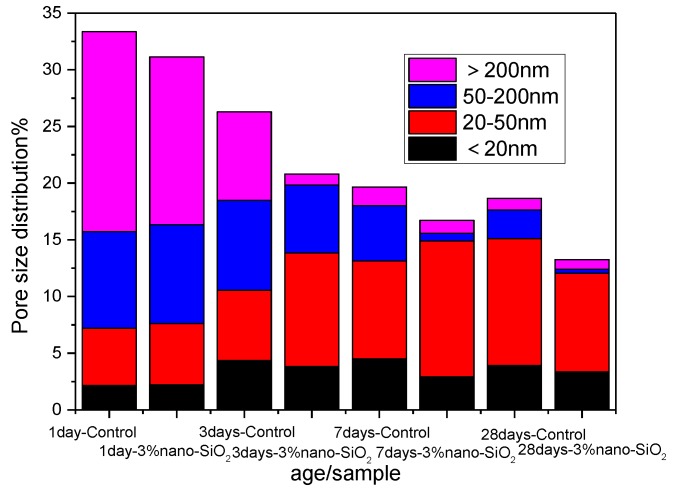
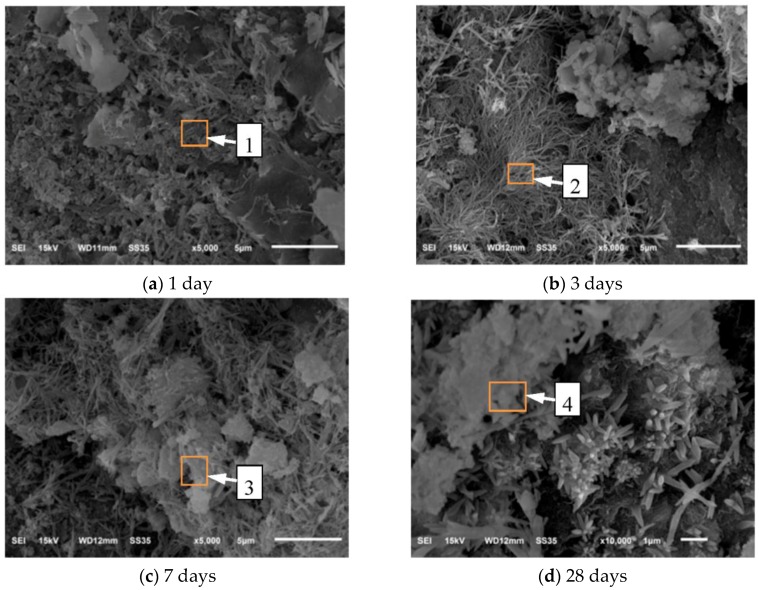
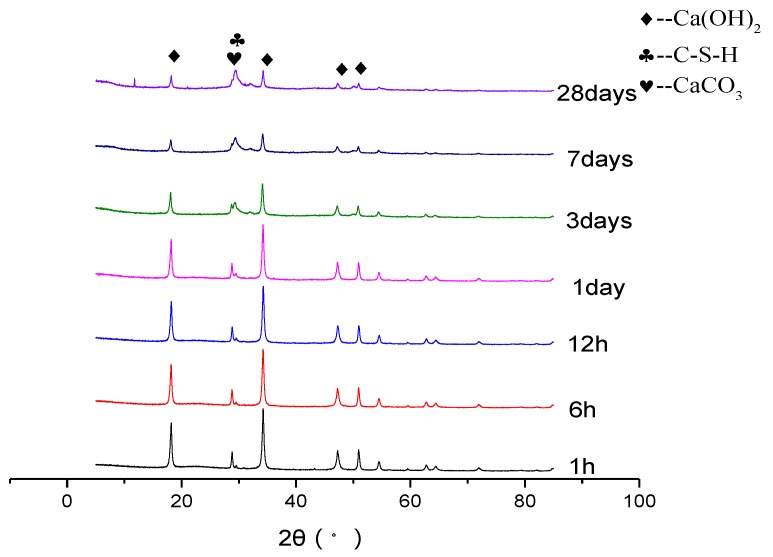
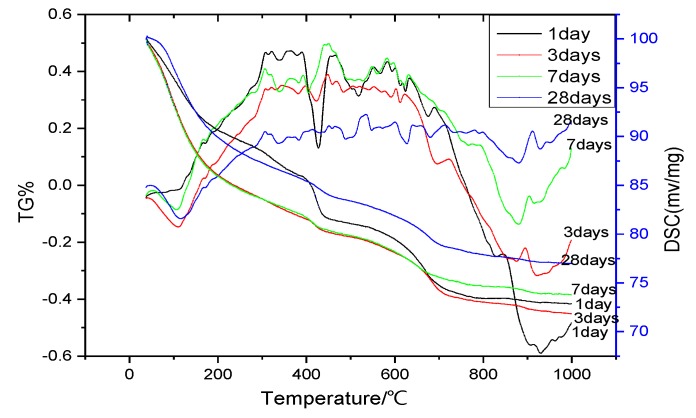
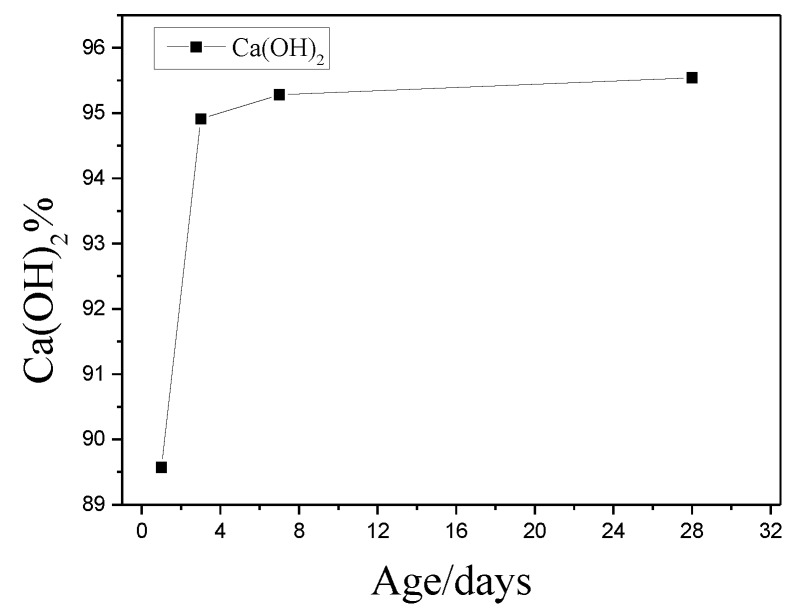
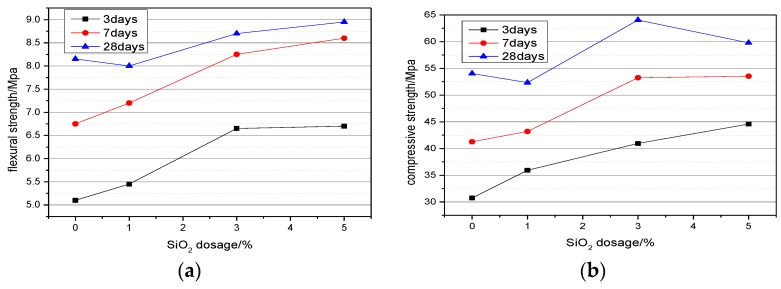
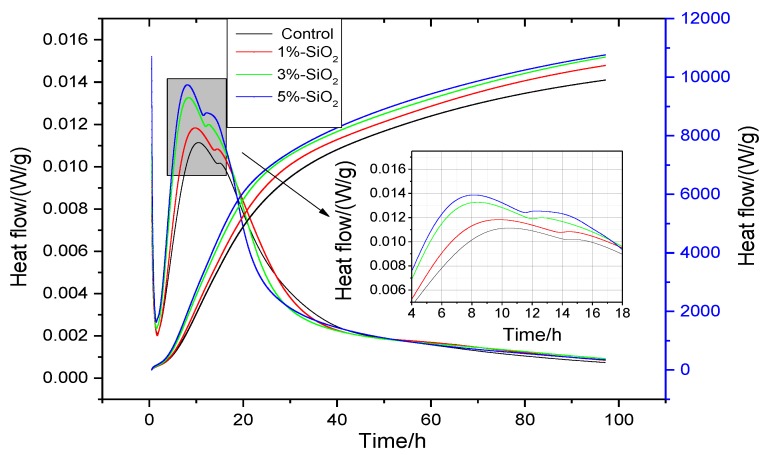
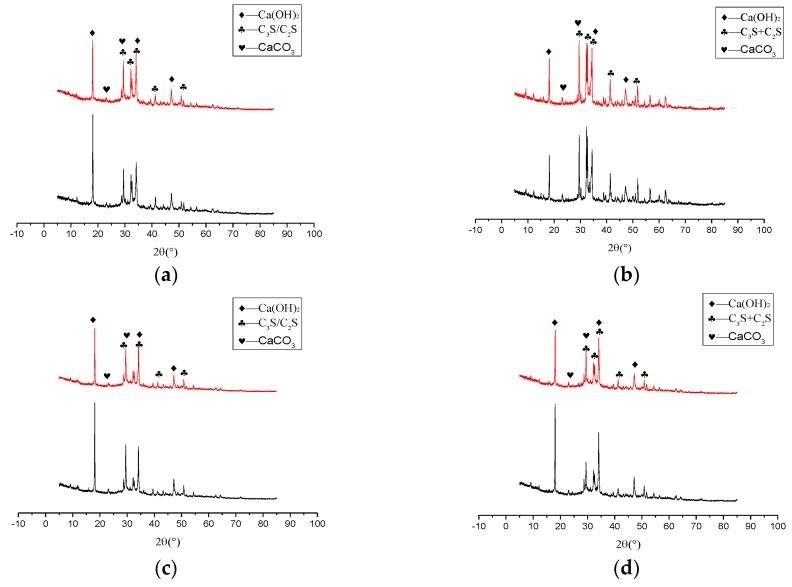
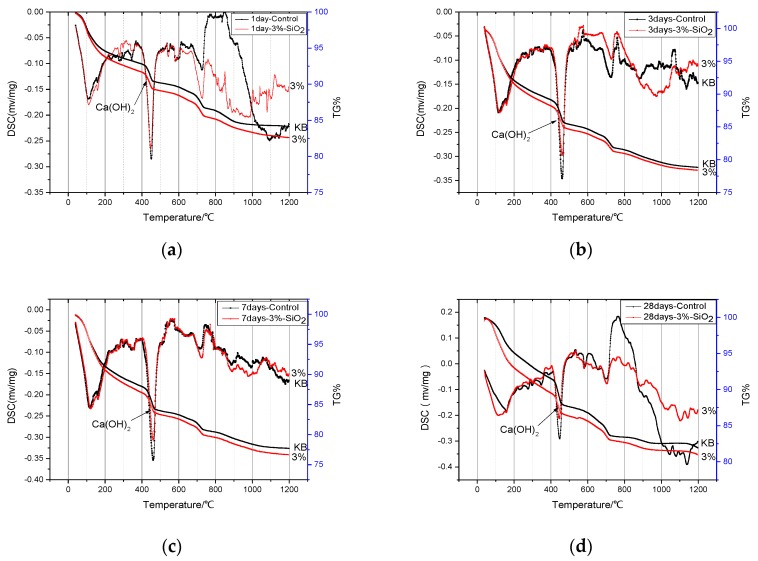
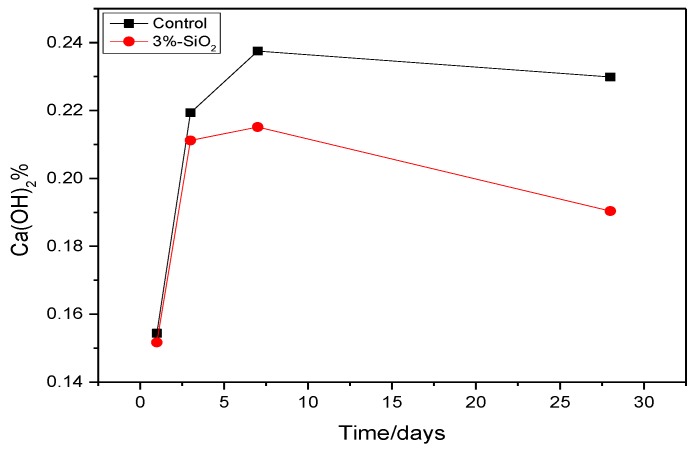
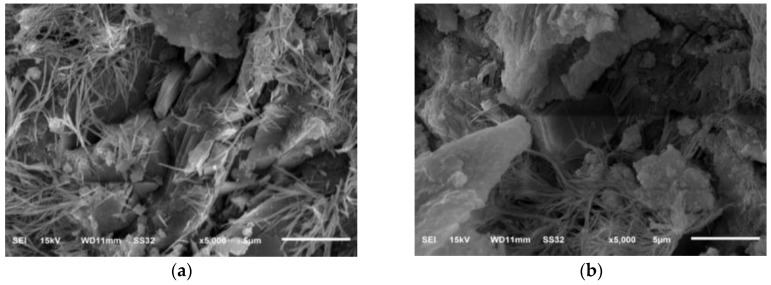
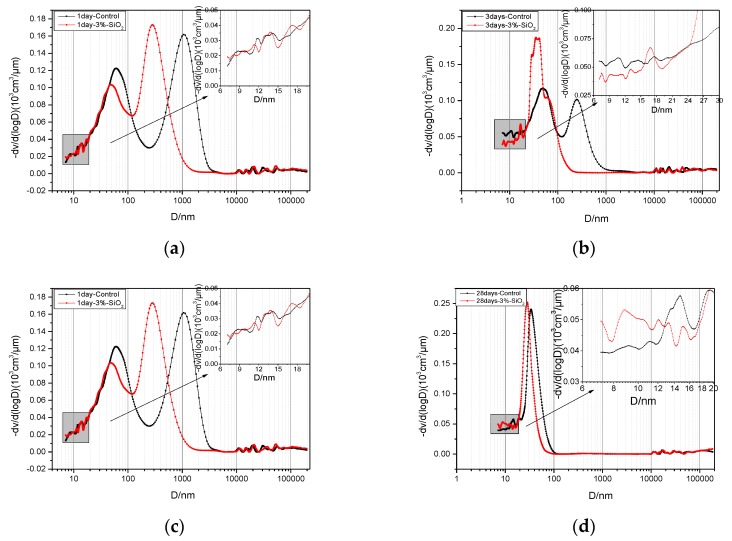
This paper systematically studied the modification of cement-based materials by nano-SiO₂ particles with an average diameter of about 20 nm. In order to obtain the effect of nano-SiO₂ particles on the mechanical properties, hydration, and pore structure of cement-based materials, adding 1%, 3%, and 5% content of nano-SiO₂ in cement paste, respectively. The results showed that the reaction of nano-SiO₂ particles with Ca(OH)₂ (crystal powder) started within 1 h, and formed C-S-H gel. The reaction speed was faster after aging for three days. The mechanical properties of cement-based materials were improved with the addition of 3% nano-SiO₂, and the early strength enhancement of test pieces was obvious. Three-day compressive strength increased 33.2%, and 28-day compressive strength increased 18.5%. The exothermic peak of hydration heat of cement increased significantly after the addition of nano-SiO₂. Appearance time of the exothermic peak was advanced and the total heat release increased. Thermogravimetric-differential scanning calorimetry (TG-DSC) analysis showed that nano-SiO₂ promoted the formation of C-S-H gel. The results of mercury intrusion porosimetry (MIP) showed that the total porosity of cement paste with 3% nano-SiO₂ was reduced by 5.51% and 5.4% at three days and 28 days, respectively, compared with the pure cement paste. At the same time, the pore structure of cement paste was optimized, and much-detrimental pores and detrimental pores decreased, while less harmful pores and innocuous pores increased.
本文系统研究了平均直径约为20nm的纳米二氧化硅颗粒对水泥基材料的改性。为了获得纳米二氧化硅颗粒对水泥基材料力学性能、水化和孔结构的影响,分别在水泥净浆中添加1%、3%和5%的纳米二氧化硅。结果表明,纳米二氧化硅颗粒与Ca(OH)₂(晶体粉末)的反应在1h内开始,并形成C-S-H凝胶。老化三天后反应速度加快。添加3%纳米二氧化硅后,水泥基材料的力学性能得到改善,试件的早期强度增强明显。三天抗压强度提高了33.2%,28天抗压强度提高了18.5%。添加纳米二氧化硅后,水泥水化热的放热峰显著增加。放热峰出现时间提前,总放热量增加。热重-差示扫描量热法(TG-DSC)分析表明,纳米二氧化硅促进了C-S-H凝胶的形成。压汞法(MIP)结果表明,与纯水泥净浆相比,添加3%纳米二氧化硅的水泥净浆在三天和28天时的总孔隙率分别降低了5.51%和5.4%。同时,水泥净浆的孔结构得到优化,大害孔和有害孔减少,而少害孔和无害孔增加。