INRA, UMR 1136 INRA-University of Lorraine, Interactions Arbres/Microorganismes, Laboratory of Excellence ARBRE, INRA-Nancy, 54280, Champenoux, France.
Hawkesbury Institute for the Environment, University of Western Sydney, Richmond, 2753, NSW, Australia.
Sci Rep. 2017 Mar 23;7(1):382. doi: 10.1038/s41598-017-00400-8.
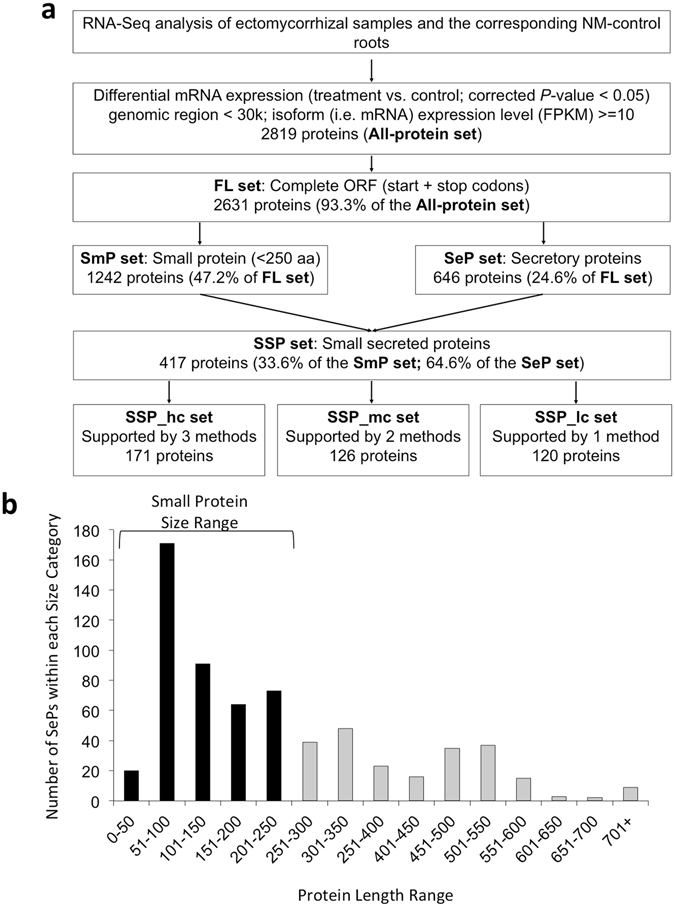
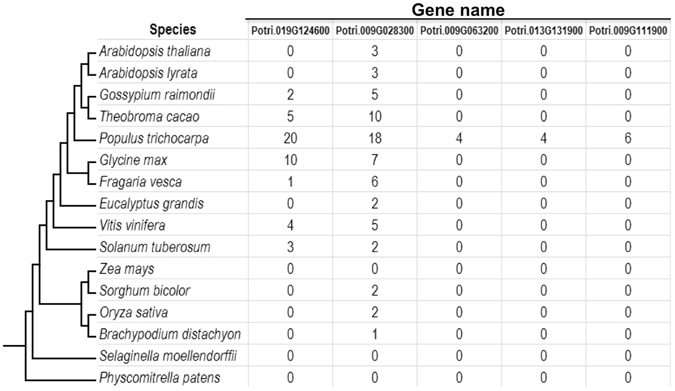
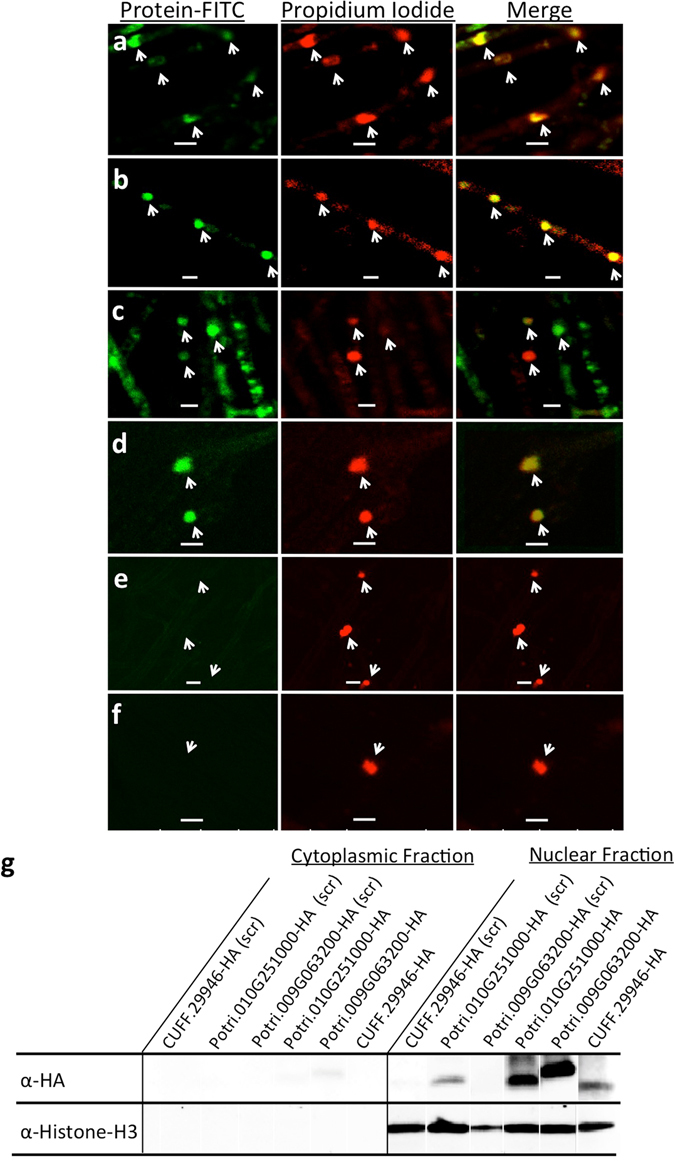
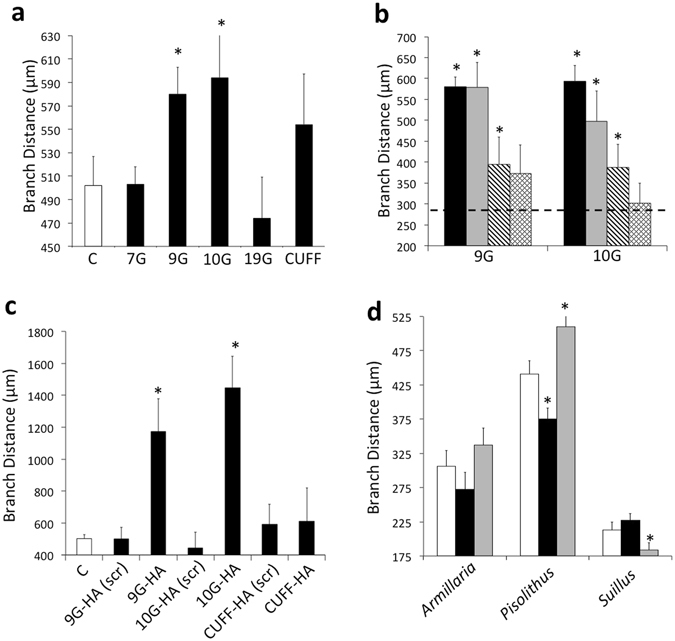
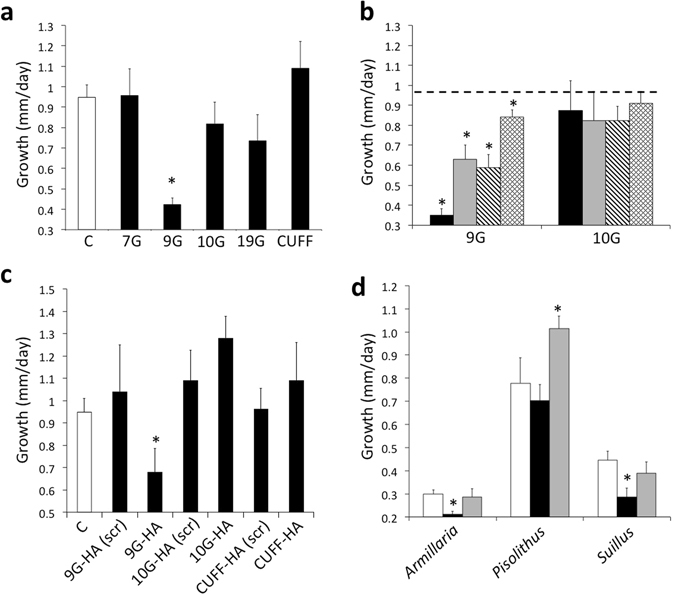
During symbiosis, organisms use a range of metabolic and protein-based signals to communicate. Of these protein signals, one class is defined as 'effectors', i.e., small secreted proteins (SSPs) that cause phenotypical and physiological changes in another organism. To date, protein-based effectors have been described in aphids, nematodes, fungi and bacteria. Using RNA sequencing of Populus trichocarpa roots in mutualistic symbiosis with the ectomycorrhizal fungus Laccaria bicolor, we sought to determine if host plants also contain genes encoding effector-like proteins. We identified 417 plant-encoded putative SSPs that were significantly regulated during this interaction, including 161 SSPs specific to P. trichocarpa and 15 SSPs exhibiting expansion in Populus and closely related lineages. We demonstrate that a subset of these SSPs can enter L. bicolor hyphae, localize to the nucleus and affect hyphal growth and morphology. We conclude that plants encode proteins that appear to function as effector proteins that may regulate symbiotic associations.
在共生关系中,生物体使用一系列代谢和基于蛋白质的信号进行通信。在这些蛋白质信号中,有一类被定义为“效应子”,即小分泌蛋白(SSP),它们会引起另一种生物体的表型和生理变化。迄今为止,已经在蚜虫、线虫、真菌和细菌中描述了基于蛋白质的效应子。我们利用与外生菌根真菌共生的杨属根的 RNA 测序,试图确定宿主植物是否也含有编码效应子样蛋白的基因。我们鉴定了 417 个植物编码的推定 SSP,这些 SSP 在这种相互作用中显著受到调控,包括 161 个特定于杨属的 SSP 和 15 个在杨属和密切相关的谱系中扩张的 SSP。我们证明,这些 SSP 的一部分可以进入外生菌根真菌的菌丝,定位于细胞核,并影响菌丝生长和形态。我们得出结论,植物编码的蛋白质似乎作为效应子蛋白发挥作用,可能调节共生关系。