Kalweit Alexander N, Amanpour-Gharaei Bezhad, Colitti-Klausnitzer Jens, Manahan-Vaughan Denise
Department of Neurophysiology, Medical Faculty, Ruhr University BochumBochum, Germany; International Graduate School of Neuroscience, Ruhr University BochumBochum, Germany.
Department of Neurophysiology, Medical Faculty, Ruhr University Bochum Bochum, Germany.
Front Behav Neurosci. 2017 Mar 8;11:36. doi: 10.3389/fnbeh.2017.00036. eCollection 2017.
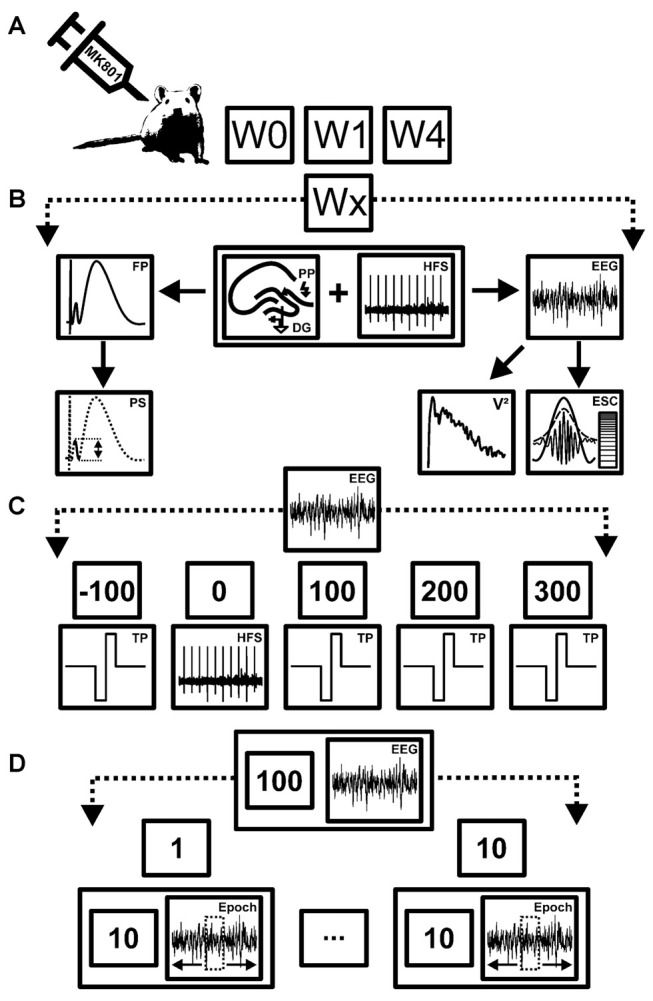
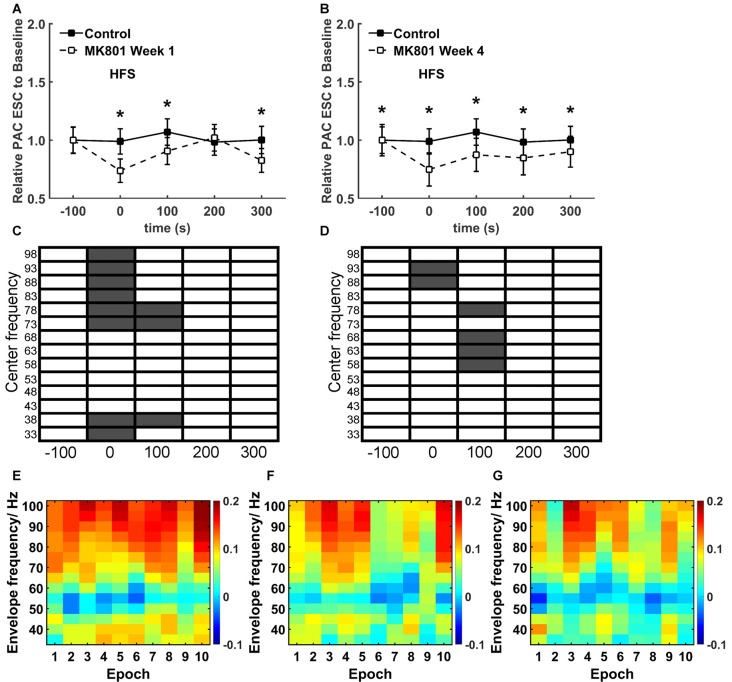
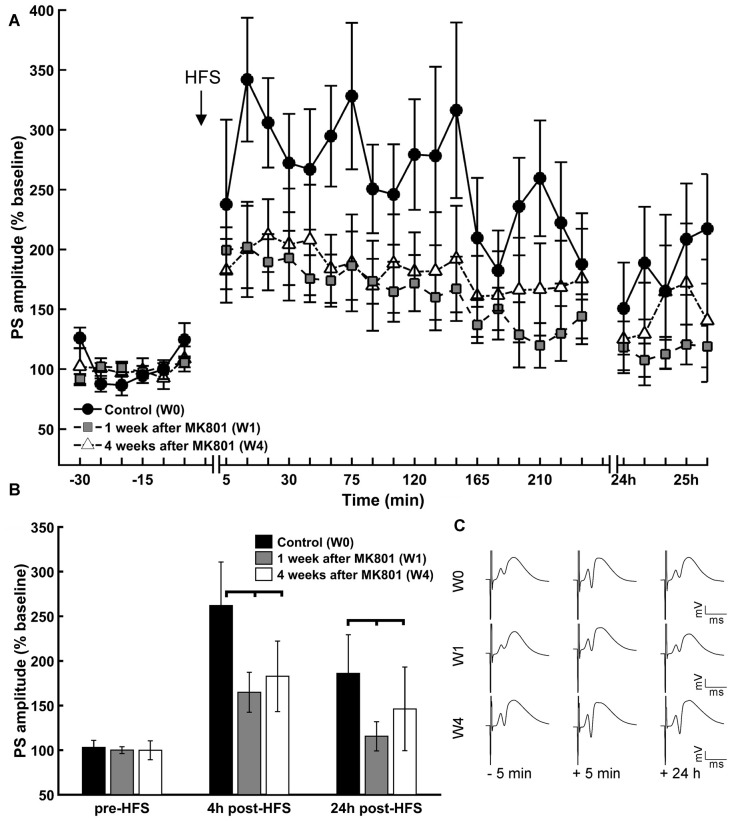
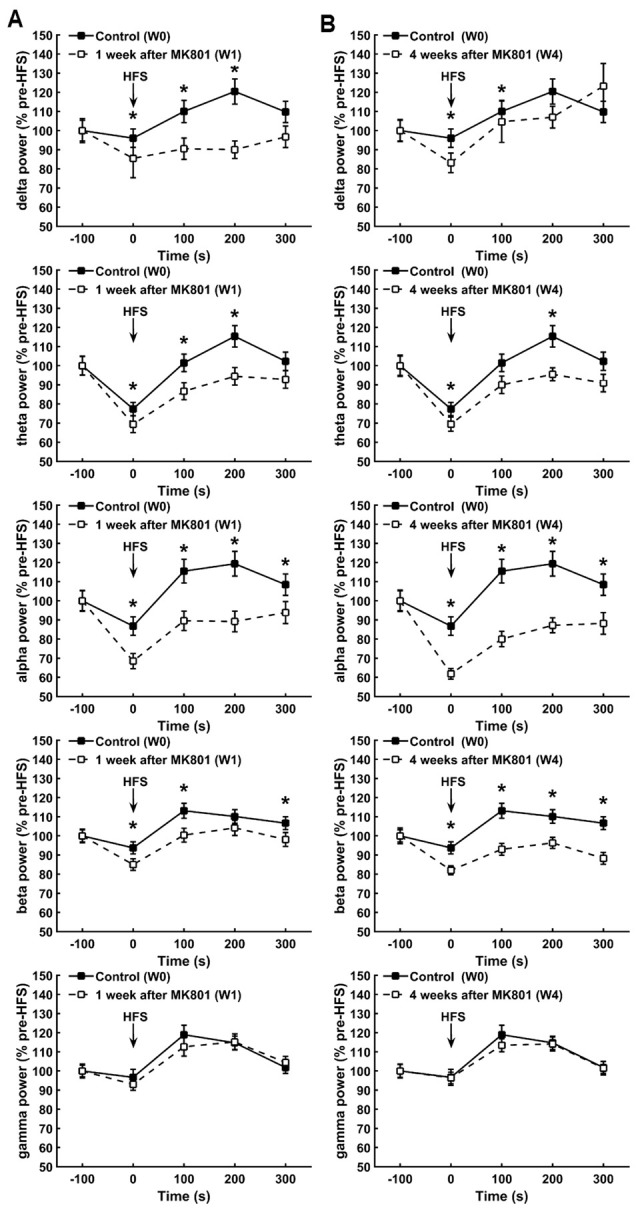
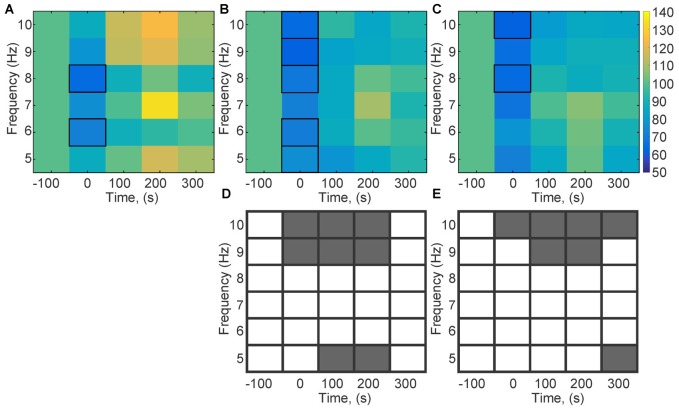
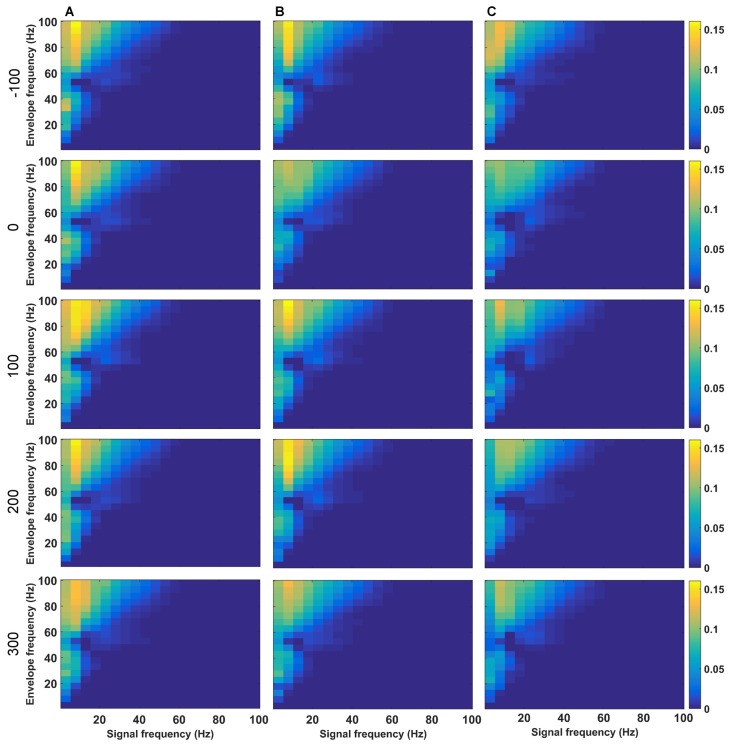
The first-episode of psychosis is followed by a transient time-window of ca. 60 days during which therapeutic interventions have a higher likelihood of being effective than interventions that are started with a greater latency. This suggests that, in the immediate time-period after first-episode psychosis, functional changes occur in the brain that render it increasingly resistant to intervention. The precise mechanistic nature of these changes is unclear, but at the cognitive level, sensory and hippocampus-based dysfunctions become increasingly manifest. In an animal model of first-episode psychosis that comprises acute treatment of rats with the irreversible N-methyl-D-aspartate receptor (NMDAR)-antagonist, MK801, acute but also chronic deficits in long-term potentiation (LTP) and spatial memory occur. Neuronal oscillations, especially in the form of information transfer through θ and γ frequency oscillations are an intrinsic component of normal information processing in the hippocampus. Changes in θ-γ coupling and power are known to accompany deficits in hippocampal plasticity. Here, we examined whether changes in δ, θ, α, β and γ oscillations, or θ-γ coupling accompany the chronic loss of LTP that is observed in the MK801-animal model of psychosis. One and 4 weeks after acute systemic treatment of adult rats with MK801, a potent loss of hippocampal LTP was evident compared to vehicle-treated controls. Overall, the typical pattern of θ-γ oscillations that are characteristic for the successful induction of LTP was altered. In particular, θ-power was lower and an uncoupling of θ-γ oscillations was evident in MK801-treated rats. The alterations in network oscillations that accompany LTP deficits in this animal model may comprise a mechanism through which disturbances in sensory information processing and hippocampal function occur in psychosis. These data suggest that the hippocampus is likely to comprise a very early locus of functional change after instigation of a first-episode psychosis-like state in rodents.
首次发作精神病后约60天会出现一个短暂的时间窗,在此期间,治疗干预比延迟时间更长才开始的干预更有可能有效。这表明,在首次发作精神病后的即时时间段内,大脑会发生功能变化,使其对干预的抵抗性越来越强。这些变化的确切机制尚不清楚,但在认知层面,基于感觉和海马体的功能障碍越来越明显。在首次发作精神病的动物模型中,用不可逆的N-甲基-D-天冬氨酸受体(NMDAR)拮抗剂MK801对大鼠进行急性治疗后,会出现长期增强(LTP)和空间记忆的急性及慢性缺陷。神经元振荡,尤其是以通过θ和γ频率振荡进行信息传递的形式,是海马体正常信息处理的内在组成部分。已知θ-γ耦合和功率的变化与海马体可塑性缺陷有关。在此,我们研究了在MK801诱导的精神病动物模型中观察到的LTP慢性丧失是否伴随着δ、θ、α、β和γ振荡或θ-γ耦合的变化。在用MK801对成年大鼠进行急性全身治疗1周和4周后,与用赋形剂处理的对照组相比,海马体LTP明显丧失。总体而言,成功诱导LTP所特有的典型θ-γ振荡模式发生了改变。特别是,在MK801处理的大鼠中,θ功率较低,且θ-γ振荡解耦明显。该动物模型中伴随LTP缺陷的网络振荡变化可能构成了精神病中感觉信息处理和海马体功能障碍发生的一种机制。这些数据表明,海马体可能是啮齿动物诱发首次发作精神病样状态后功能变化的一个非常早期的位点。