Simons Andre, Hamdy Shaheen
Manchester Medical School, University of Manchester, Manchester, UK.
GI Sciences, Division of Diabetes, Endocrinology and Gastroenterology, School of Medical Sciences, Faculty of Biology, Medicine and Health, Salford Royal Hospital (Part of the Manchester Academic Health Sciences Centre (MAHSC)), University of Manchester, Clinical Sciences Building, Eccles Old Road, Salford, M6 8HD, UK.
Dysphagia. 2017 Apr;32(2):209-215. doi: 10.1007/s00455-017-9789-z. Epub 2017 Mar 28.
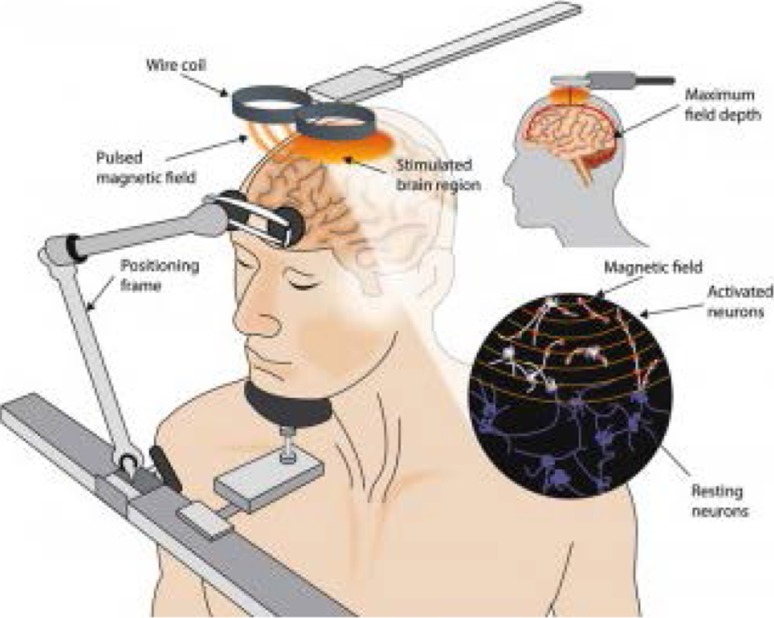
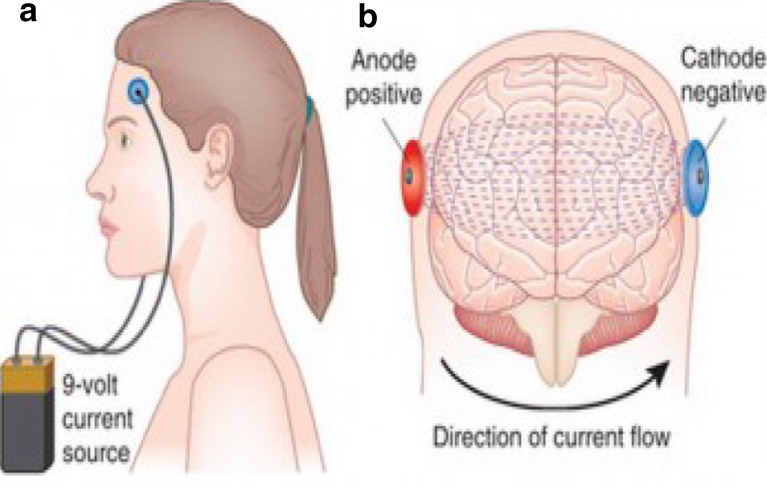
Dysphagia is common sequela of brain injury with as many as 50% of patients suffering from dysphagia following stroke. Currently, the majority of guidelines for clinical practice in the management of dysphagia focus on the prevention of complications while any natural recovery takes place. Recently, however, non-invasive brain stimulation (NIBS) techniques like transcranial magnetic stimulation (TMS) and transcranial direct current stimulation (tDCS) have started to attract attention and are applied to investigate both the physiology of swallowing and influences on dysphagia. TMS allows for painless stimulation of the brain through an intact skull-an effect which would normally be impossible with electrical currents due to the high resistance of the skull. By comparison, tDCS involves passing a small electric current (usually under 2 mA) produced by a current generator over the scalp and cranium external to the brain. Initial studies used these techniques to better understand the physiological mechanisms of swallowing in healthy subjects. More recently, a number of studies have investigated the efficacy of these techniques in the management of neurogenic dysphagia with mixed results. Controversy still exists as to which site, strength and duration of stimulation yields the greatest improvement in dysphagia. And while multiple studies have suggested promising effects of NIBS, more randomised control trials with larger sample sizes are needed to investigate the short- and long-term effects of NIBS in neurogenic dysphagia.
吞咽困难是脑损伤常见的后遗症,多达50%的中风患者会出现吞咽困难。目前,大多数吞咽困难管理临床实践指南侧重于在自然恢复过程中预防并发症。然而,最近,经颅磁刺激(TMS)和经颅直流电刺激(tDCS)等非侵入性脑刺激(NIBS)技术开始受到关注,并被用于研究吞咽生理学以及对吞咽困难的影响。TMS能够通过完整的颅骨对大脑进行无痛刺激——由于颅骨的高电阻,这种效果通常是电流无法实现的。相比之下,tDCS是将电流发生器产生的小电流(通常小于2毫安)通过头皮和颅骨传递到脑外。最初的研究使用这些技术来更好地理解健康受试者吞咽的生理机制。最近,一些研究调查了这些技术在神经源性吞咽困难管理中的疗效,结果不一。关于刺激的部位、强度和持续时间中哪一个能使吞咽困难得到最大改善仍存在争议。虽然多项研究表明NIBS有显著效果,但仍需要更多样本量更大的随机对照试验来研究NIBS对神经源性吞咽困难的短期和长期影响。