Svedlund Erika, Larsson Maria, Hägerkvist Robert
Department of Herbal Medicinal Products, Medical Products Agency, P.O. Box 26, SE-751 03, Uppsala, Sweden.
Department of Pharmacovigilance, Medical Products Agency, Uppsala, Sweden.
Drugs Real World Outcomes. 2017 Jun;4(2):119-125. doi: 10.1007/s40801-017-0104-y.
In relation to the extensive use of herbal medicinal products in self-care, the safety information is limited and there is a need for improvement. This study describes spontaneously reported adverse reactions related to herbal medicinal products and natural remedies in Sweden.
To evaluate the characteristics and frequency of adverse events recorded by the Swedish Medical Products Agency, where herbal medicinal products and natural remedies were suspected as causative agents.
Adverse drug reactions reported to the Swedish Medical Product Agency during 2007-15 related to approved herbal medicinal products or natural remedies were included and analysed in the retrospective study. Reports had been assessed for causality when they were lodged and only reports that had been assessed as at least possible were included in the study.
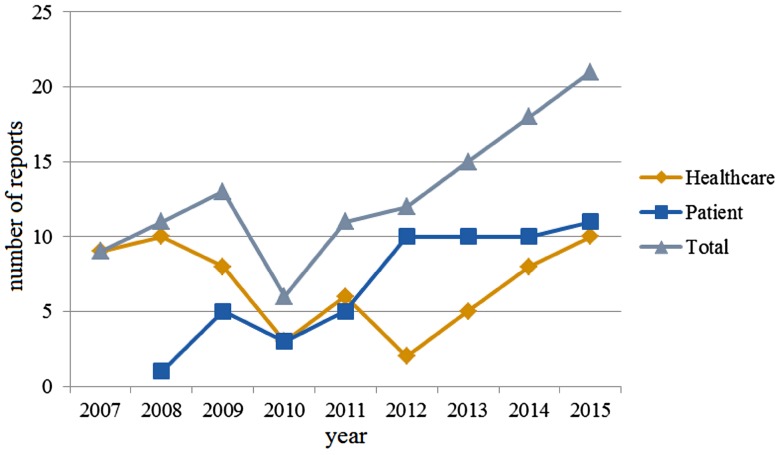
In total, 116 reports (concerning 259 adverse reactions) related to herbal medicinal products or natural remedies were found in the Swedish national pharmacovigilance database. The active ingredients most frequently suspected during the study period were black cohosh rhizome (15 reports), purple coneflower herb (14 reports) and a combination of extracts of pollen (13 reports). Adverse reactions related to skin and subcutaneous tissue were the most commonly reported reactions.
No previously unknown safety problems have been discovered in the present study. This finding could be explained by a thorough pre-approval assessment of medicinal products and the fact that most herbal preparations in medicinal products have been in clinical use for many years (for traditional herbal medicinal products, the requirements are ≥30 years), i.e. adverse reactions are acknowledged and assessed before approval.
鉴于草药产品在自我保健中的广泛使用,其安全信息有限,需要改进。本研究描述了瑞典自发报告的与草药产品和天然疗法相关的不良反应。
评估瑞典药品管理局记录的不良事件的特征和频率,其中草药产品和天然疗法被怀疑是致病因素。
在这项回顾性研究中,纳入并分析了2007年至2015年期间向瑞典药品管理局报告的与已批准的草药产品或天然疗法相关的药物不良反应。报告在提交时已进行因果关系评估,只有被评估为至少可能的报告才纳入研究。
在瑞典国家药物警戒数据库中,共发现116份与草药产品或天然疗法相关的报告(涉及259例不良反应)。研究期间最常被怀疑的活性成分是黑升麻根茎(15份报告)、紫锥菊草(14份报告)和花粉提取物组合(13份报告)。与皮肤和皮下组织相关的不良反应是最常报告的反应。
本研究未发现以前未知的安全问题。这一发现可以通过对药品进行全面的批准前评估以及药品中的大多数草药制剂已在临床使用多年(对于传统草药产品,要求≥30年)来解释,即在批准前已认识到并评估了不良反应。