Aix Marseille Univ, University Toulon, CNRS, IM2NP, Marseille 13397, France.
Aix Marseille Univ, CNRS, ICR, Marseille 13397, France.
Nat Commun. 2017 Apr 3;8:14735. doi: 10.1038/ncomms14735.
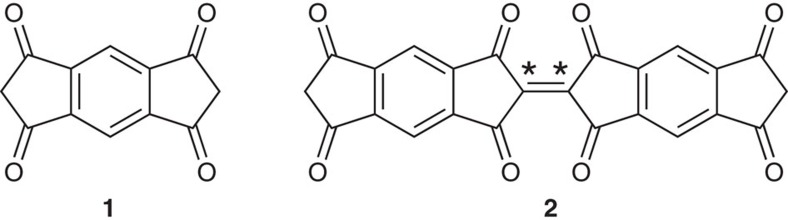
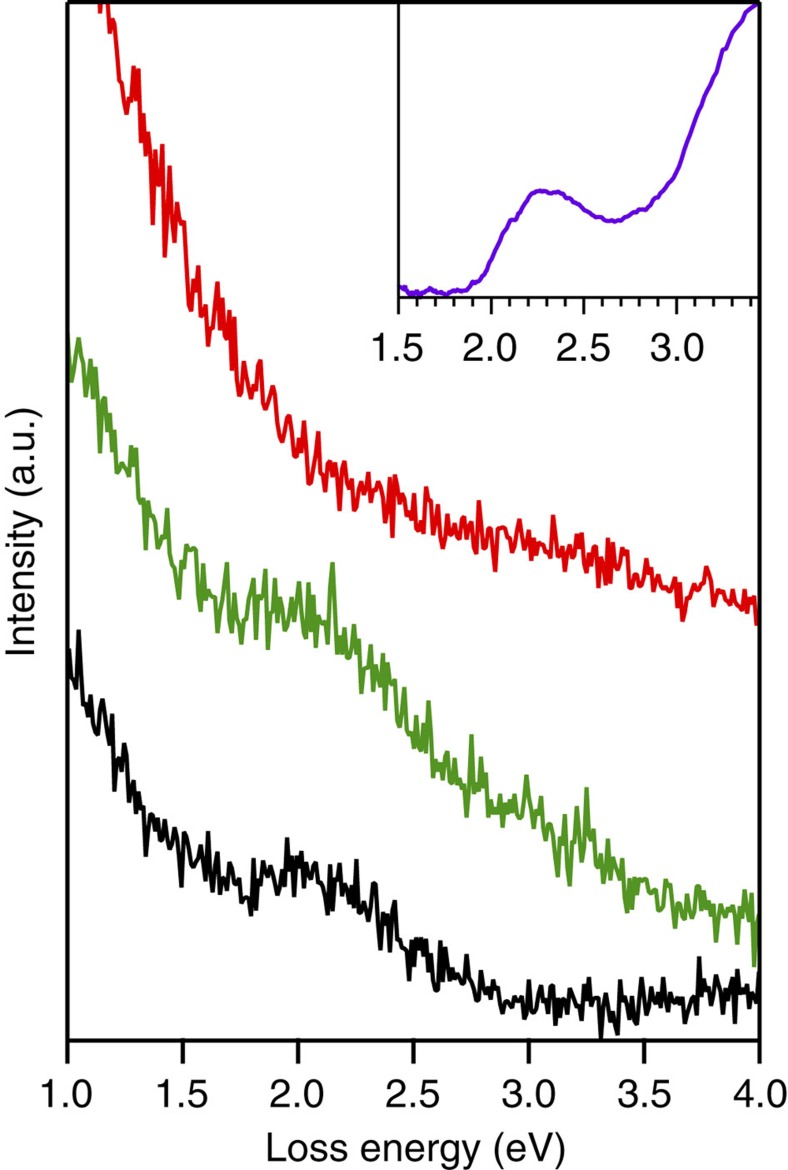
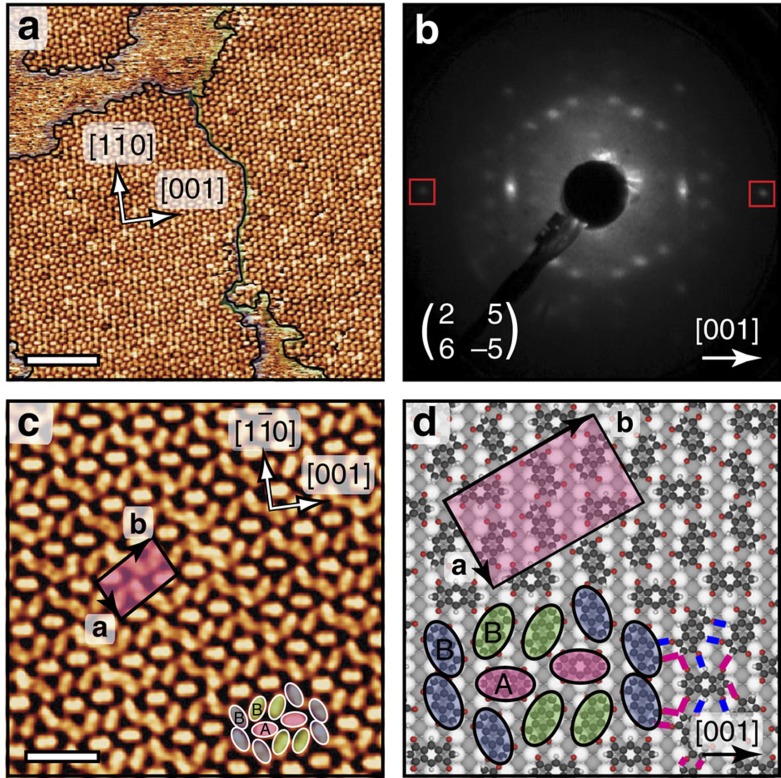
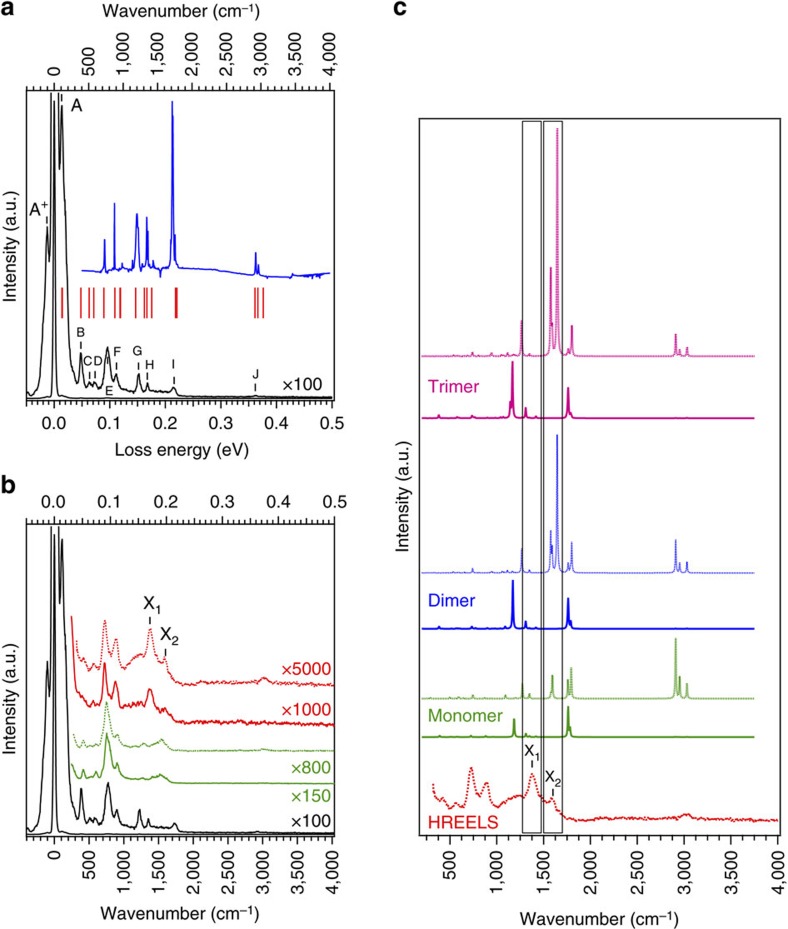
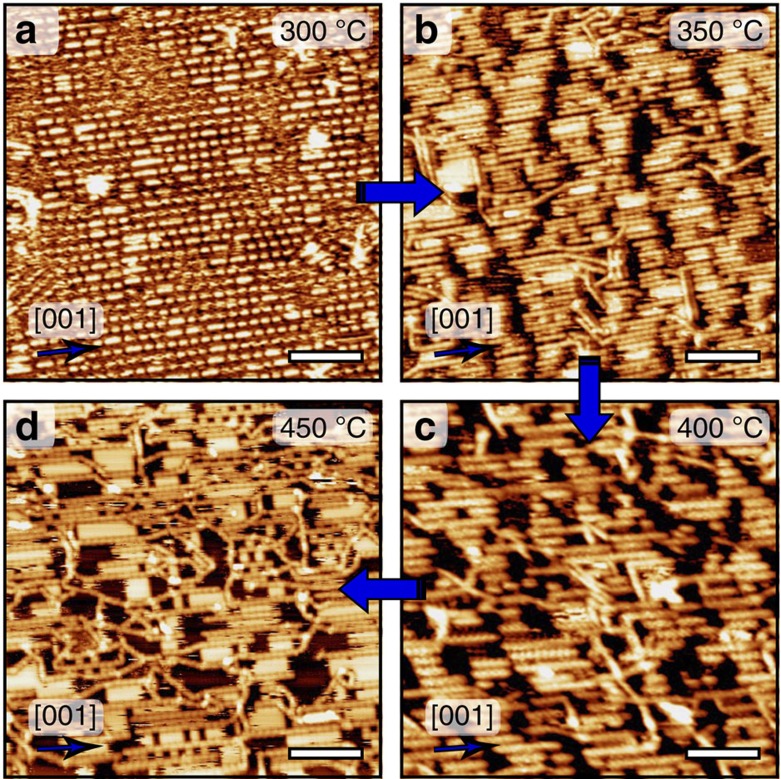
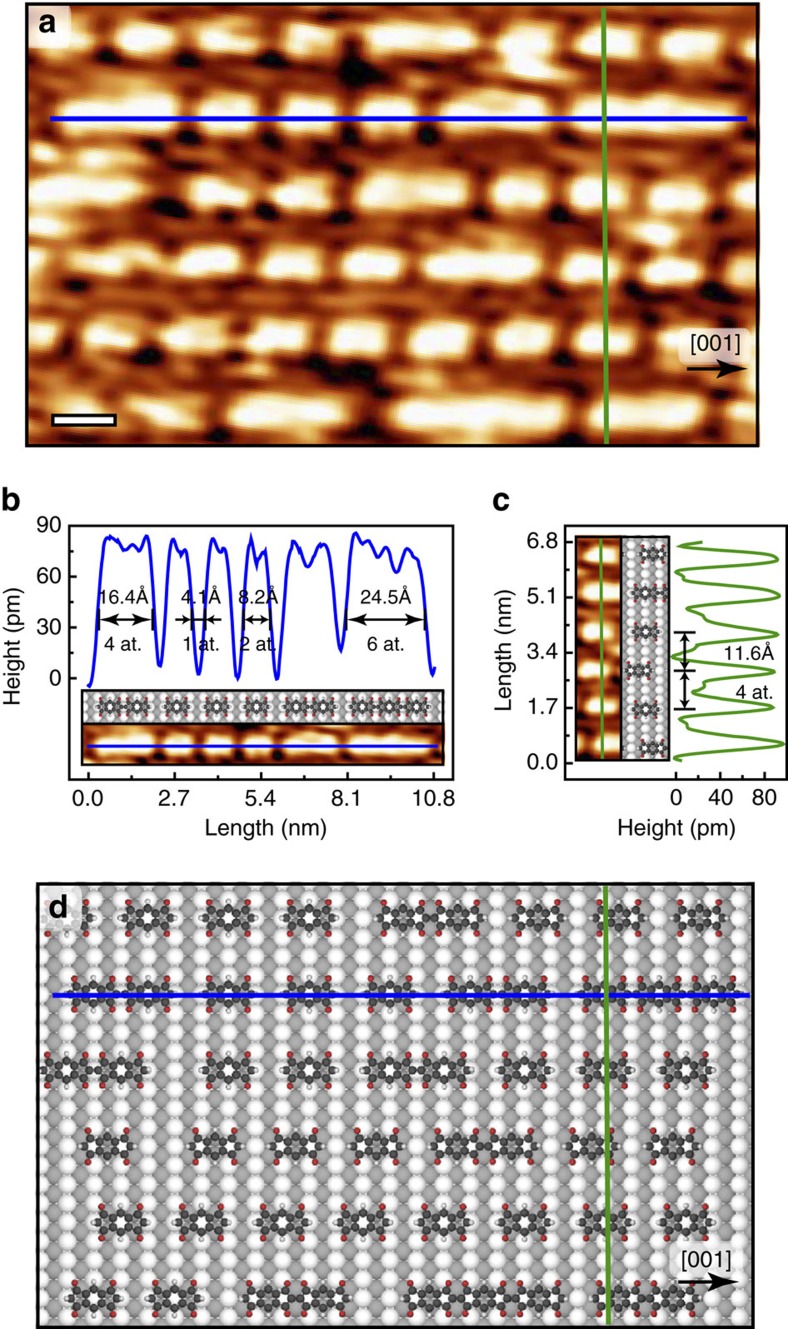
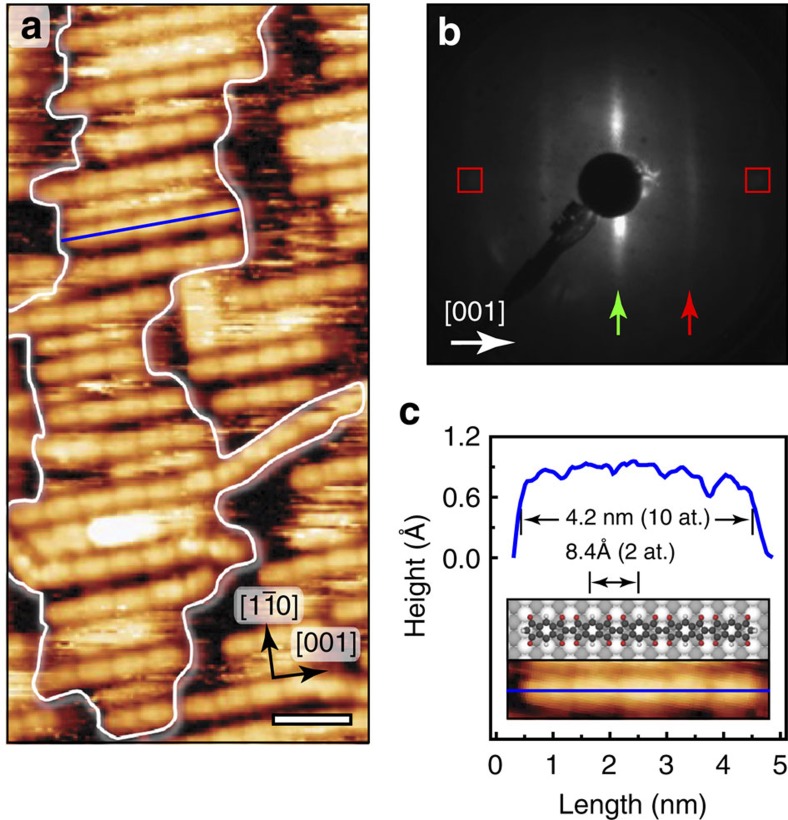
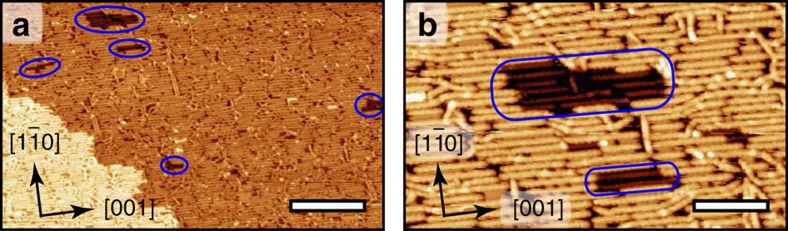
In the blooming field of on-surface synthesis, molecular building blocks are designed to self-assemble and covalently couple directly on a well-defined surface, thus allowing the exploration of unusual reaction pathways and the production of specific compounds in mild conditions. Here we report on the creation of functionalized organic nanoribbons on the Ag(110) surface. C-H bond activation and homo-coupling of the precursors is achieved upon thermal activation. The anisotropic substrate acts as an efficient template fostering the alignment of the nanoribbons, up to the full monolayer regime. The length of the nanoribbons can be sequentially increased by controlling the annealing temperature, from dimers to a maximum length of about 10 nm, limited by epitaxial stress. The different structures are characterized by room-temperature scanning tunnelling microscopy. Distinct signatures of the covalent coupling are measured with high-resolution electron energy loss spectroscopy, as supported by density functional theory calculations.
在表面合成领域,分子构建块被设计为在定义明确的表面上自组装并通过共价键直接偶联,从而允许探索不寻常的反应途径,并在温和条件下生产特定的化合物。在这里,我们报告了在 Ag(110)表面上形成功能化有机纳米带。通过热激活实现了前体的 C-H 键活化和同偶联。各向异性的衬底作为一个有效的模板,促进了纳米带的排列,直至完全单层。通过控制退火温度,纳米带的长度可以顺序增加,从二聚体到最长约 10nm,这受到外延应力的限制。不同的结构通过室温扫描隧道显微镜进行了表征。高分辨率电子能量损失光谱测量到了共价键偶联的明显特征,这得到了密度泛函理论计算的支持。