College of Animal Science and Veterinary Medicine, Henan Agricultural University, Zhengzhou, 450002, China.
Henan Innovative Engineering Research Center of Poultry Germplasm Resource, Zhengzhou 450002, China.
Sci Rep. 2017 Apr 5;7:45564. doi: 10.1038/srep45564.
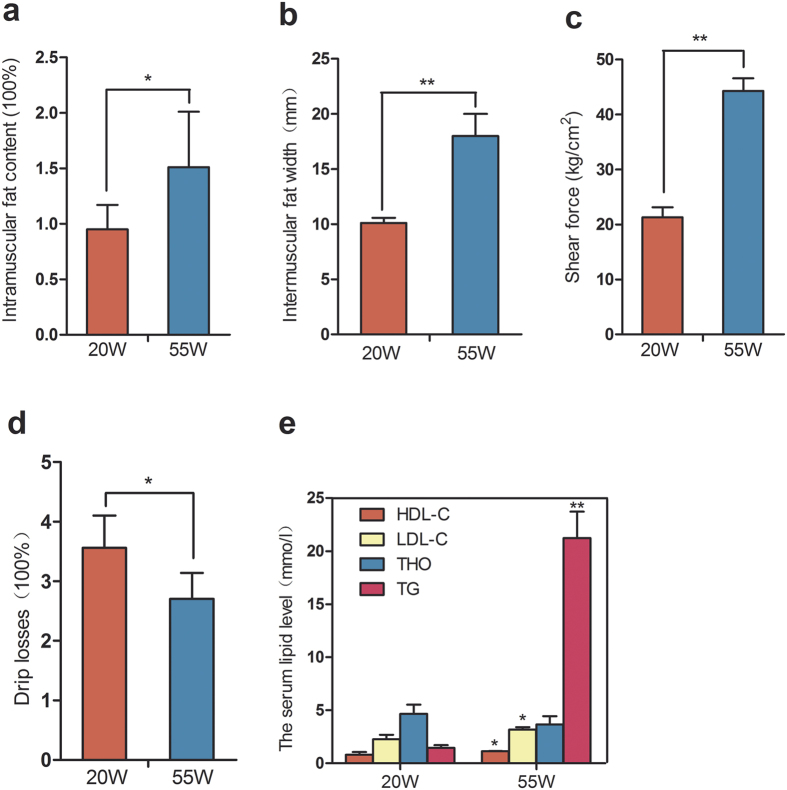
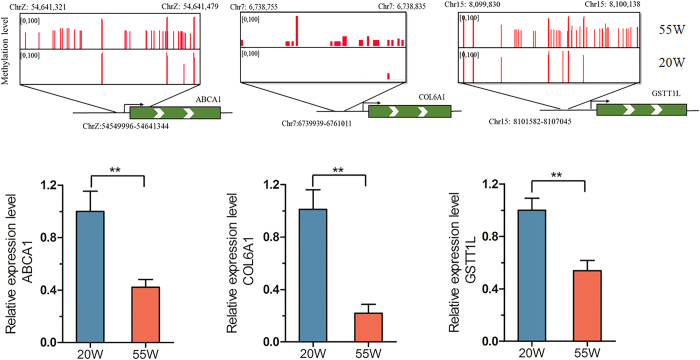
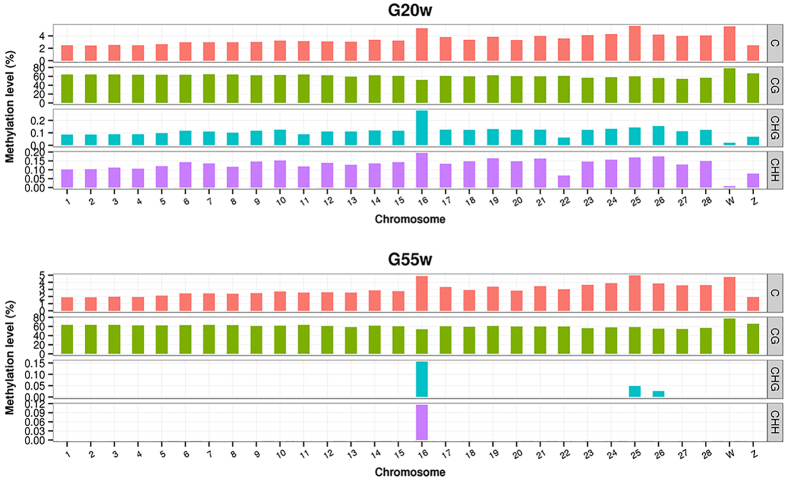
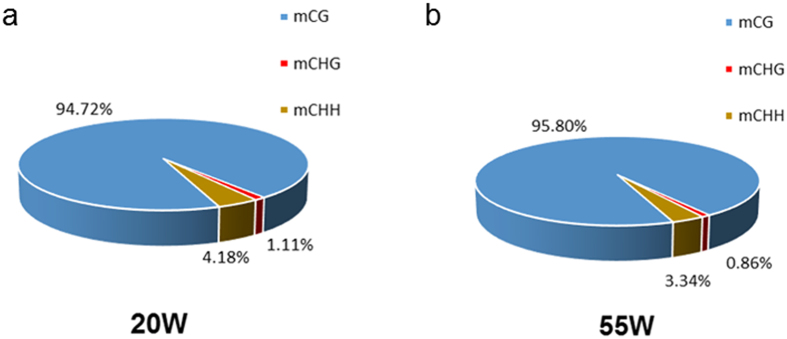
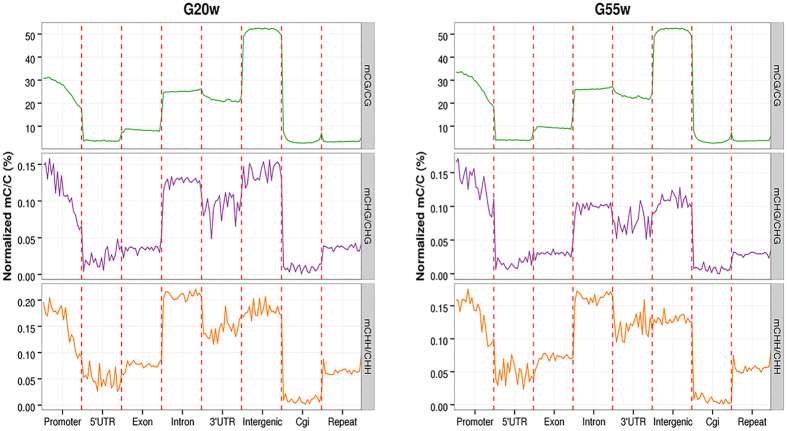
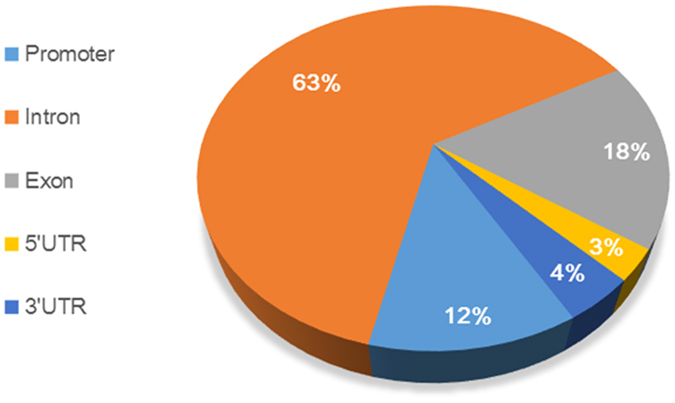
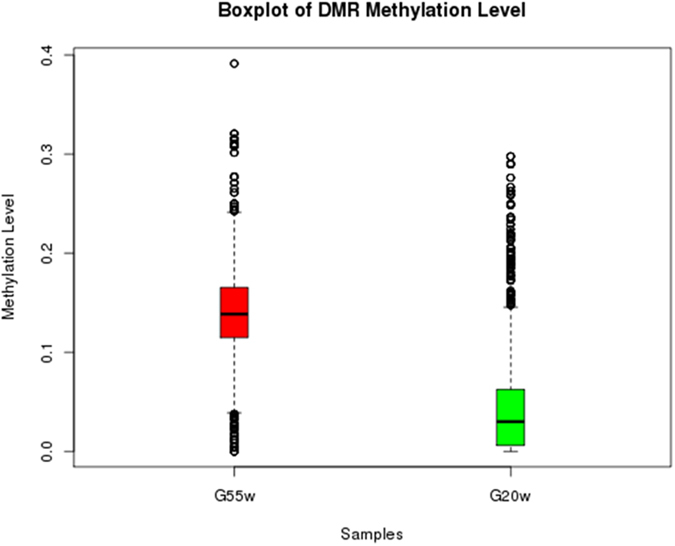
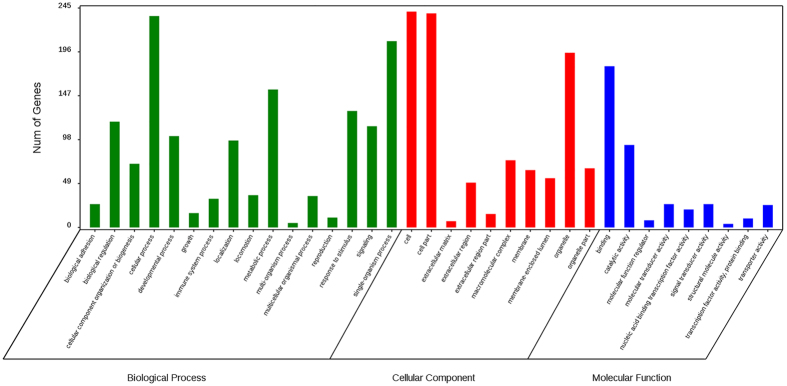
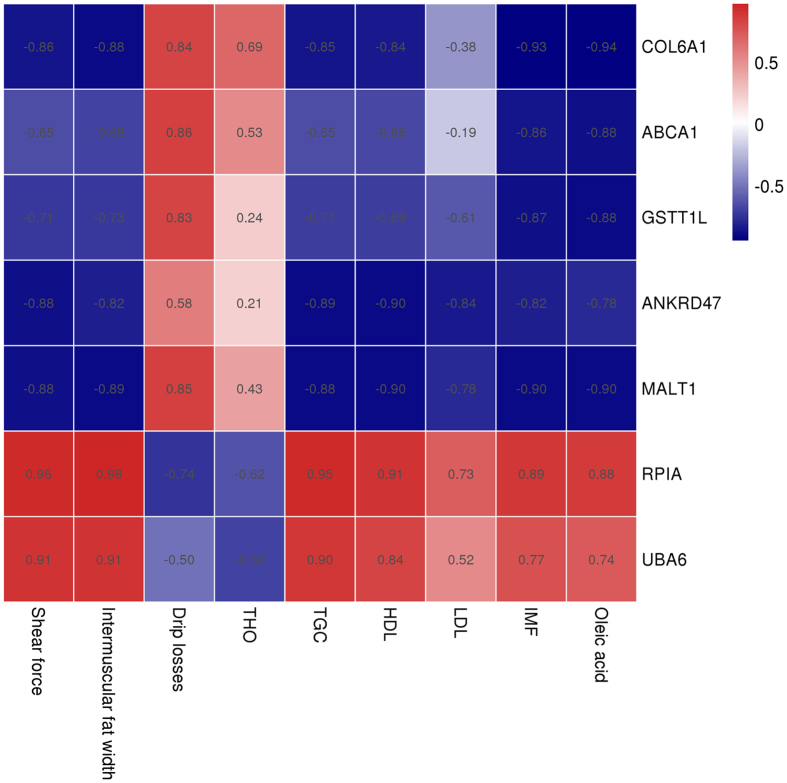
Poultry meat quality is associated with breed, age, tissue and other factors. Many previous studies have focused on distinct breeds; however, little is known regarding the epigenetic regulatory mechanisms in different age stages, such as DNA methylation. Here, we compared the global DNA methylation profiles between juvenile (20 weeks old) and later laying-period (55 weeks old) hens and identified candidate genes related to the development and meat quality of breast muscle using whole-genome bisulfite sequencing. The results showed that the later laying-period hens, which had a higher intramuscular fat (IMF) deposition capacity and water holding capacity (WHC) and less tenderness, exhibited higher global DNA methylation levels than the juvenile hens. A total of 2,714 differentially methylated regions were identified in the present study, which corresponded to 378 differentially methylated genes, mainly affecting muscle development, lipid metabolism, and the ageing process. Hypermethylation of the promoters of the genes ABCA1, COL6A1 and GSTT1L and the resulting transcriptional down-regulation in the later laying-period hens may be the reason for the significant difference in the meat quality between the juvenile and later laying-period hens. These findings contribute to a better understanding of epigenetic regulation in the skeletal muscle development and meat quality of chicken.
家禽肉品质与品种、年龄、组织等因素有关。许多先前的研究都集中在不同的品种上;然而,对于不同年龄阶段(如 DNA 甲基化)的表观遗传调控机制知之甚少。在这里,我们比较了幼龄(20 周龄)和后期产蛋期(55 周龄)母鸡之间的全基因组 DNA 甲基化谱,并使用全基因组亚硫酸氢盐测序鉴定了与胸肌发育和肉质相关的候选基因。结果表明,具有更高肌内脂肪(IMF)沉积能力和持水能力(WHC)、嫩度较低的后期产蛋期母鸡,其全基因组 DNA 甲基化水平高于幼龄母鸡。本研究共鉴定出 2714 个差异甲基化区域,对应 378 个差异甲基化基因,主要影响肌肉发育、脂质代谢和衰老过程。后期产蛋期母鸡中 ABCA1、COL6A1 和 GSTT1L 基因启动子的超甲基化及其导致的转录下调,可能是幼龄和后期产蛋期母鸡肉质差异的原因。这些发现有助于更好地理解鸡骨骼肌发育和肉质的表观遗传调控。