Wang Yu, Shi Feng, Xing Guo-Hui, Xie Ping, Zhao Na, Yin Yu-Feng, Sun Shu-Yan, He Jing, Wang Ying, Xuan Shi-Ying
Department of Gastroenterology, Qingdao Municipal Hospital, Medical College, Qingdao University, Qingdao, Shandong, China;; Department of Gastroenterology, Rizhao People's Hospital, Rizhao, Shandong, China.
Department of Gastroenterology, Rizhao People's Hospital, Rizhao, Shandong, China.
J Cancer. 2017 Feb 25;8(5):801-808. doi: 10.7150/jca.17640. eCollection 2017.
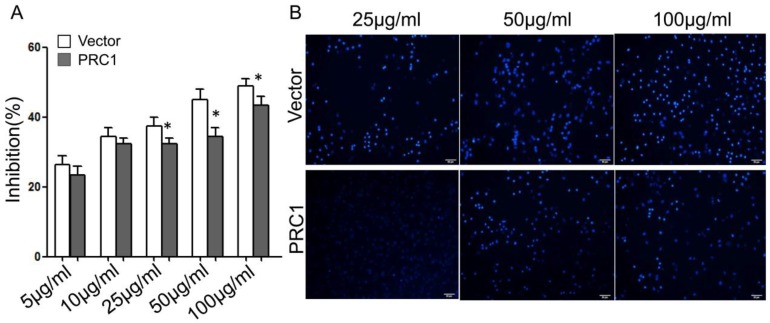
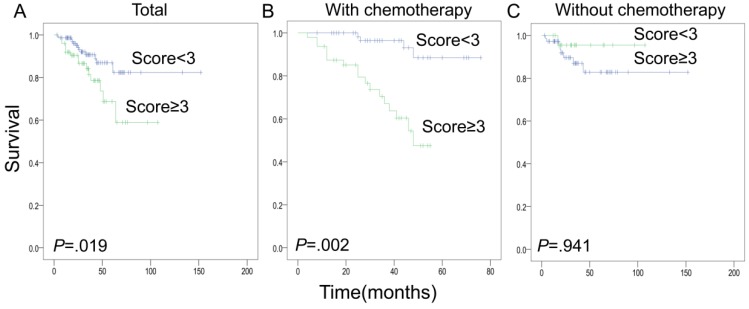
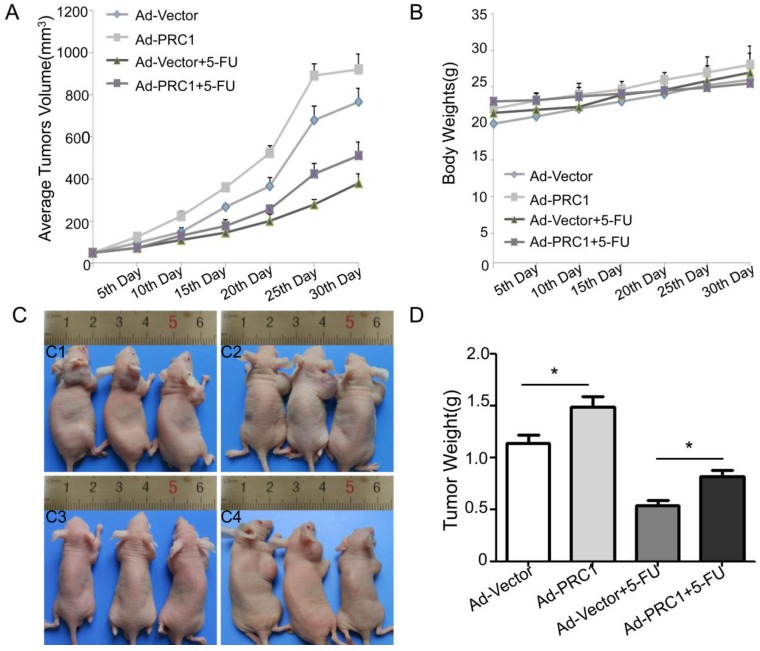
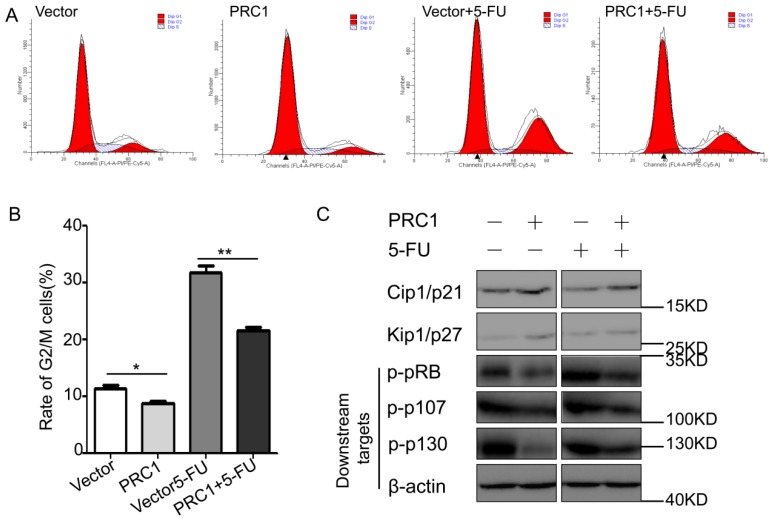
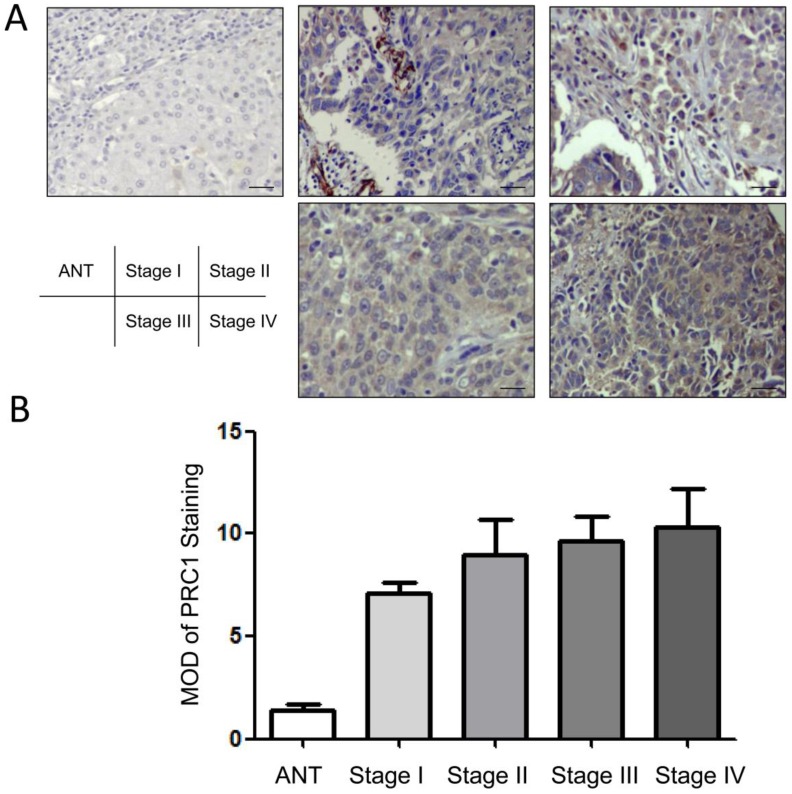
: PRC1, a microtubules(MTs)-associated protein, is essential in the mitosis and cell cycle regulation. It has been recently linked to chemoresistance and tumorigenesis. The current study sought to explore the role of PRC1 on chemoresistance and postoperative prognosis of hepatocellular carcinoma(HCC). PRC1 was transfected into HCC cells to detect its effects of chemoresistance to 5-fluorouracil in vitro and in vivo. This study also investigated the impact of PRC1 on 5-FU-induced G2/M phase arrest and the potential molecular mechanism. Surgical specimens from HCC patients were examined immunohistochemically for PRC1 expression. : Ectopic expression of PRC1 significantly increased the chemoresistance, promoted the tumor growth and abrogated 5-FU-induced G2/M phase arrest via p21/p27-pRBs pathway. In clinical specimens, high expression of PRC1(immunostaining score≥3) in HCC cells predicted an unfavorable postoperative survival of HCC patients(=0.019), especially for whom received postoperative chemotherapy(=0.002). In multivariate Cox analyses, high PRC1 expression significantly predicted an unfavorable postoperative prognosis, not dependent of TNM stage. High PRC1 expression in HCC cells increased chemoresistance, attenuated 5-FU-induced apoptosis, abrogated 5-FU-induced G2/M phase arrest, and predicts an unfavorable survival, especially for the patients who received chemotherapy. PRC1 might be a novel prognostic and predictive marker and therapeutic target for HCC patients.
PRC1是一种与微管(MTs)相关的蛋白质,在有丝分裂和细胞周期调控中至关重要。最近它被认为与化疗耐药性和肿瘤发生有关。本研究旨在探讨PRC1在肝细胞癌(HCC)化疗耐药性及术后预后中的作用。将PRC1转染至HCC细胞中,以检测其在体外和体内对5-氟尿嘧啶的化疗耐药作用。本研究还调查了PRC1对5-氟尿嘧啶诱导的G2/M期阻滞的影响及其潜在分子机制。对HCC患者的手术标本进行免疫组织化学检测PRC1的表达。PRC1的异位表达显著增加了化疗耐药性,促进了肿瘤生长,并通过p21/p27-pRBs途径消除了5-氟尿嘧啶诱导的G2/M期阻滞。在临床标本中,HCC细胞中PRC1的高表达(免疫染色评分≥3)预示着HCC患者术后生存不良(P=0.019),尤其是接受术后化疗的患者(P=0.002)。在多因素Cox分析中,PRC1高表达显著预示着术后预后不良,且不依赖于TNM分期。HCC细胞中PRC1的高表达增加了化疗耐药性,减弱了5-氟尿嘧啶诱导的凋亡,消除了5-氟尿嘧啶诱导的G2/M期阻滞,并预示着生存不良,尤其是接受化疗的患者。PRC1可能是HCC患者一种新的预后和预测标志物及治疗靶点。