Turner Michelle C, Nieuwenhuijsen Mark, Anderson Kim, Balshaw David, Cui Yuxia, Dunton Genevieve, Hoppin Jane A, Koutrakis Petros, Jerrett Michael
Barcelona Institute for Global Health (ISGlobal), Barcelona 08003, Spain; email:
Universitat Pompeu Fabra (UPF), Barcelona 08002, Spain.
Annu Rev Public Health. 2017 Mar 20;38:215-239. doi: 10.1146/annurev-publhealth-082516-012802.
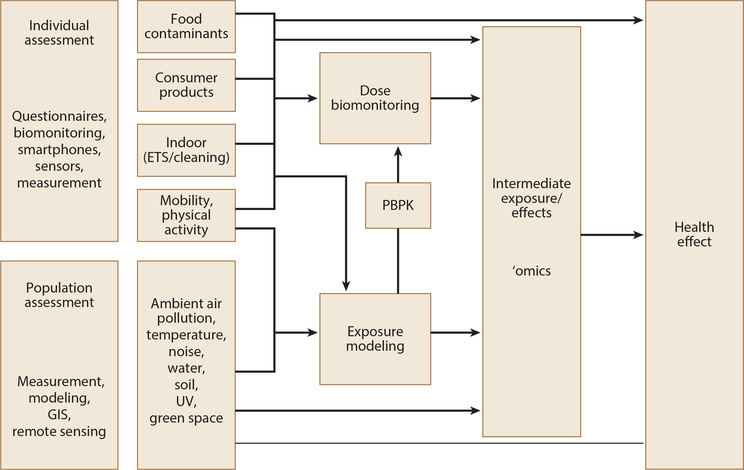
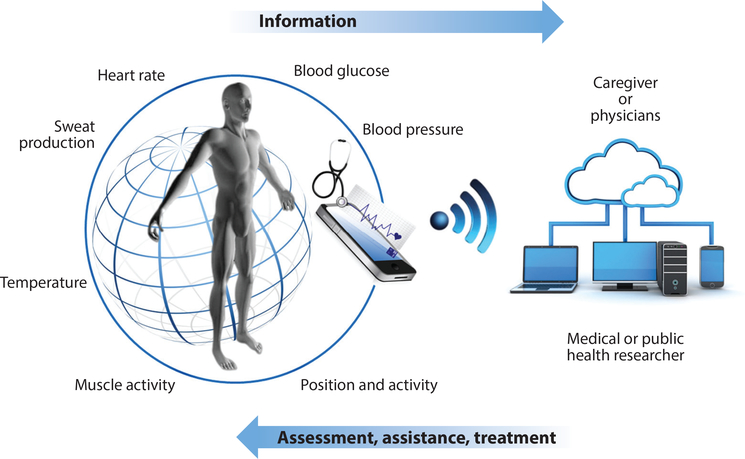
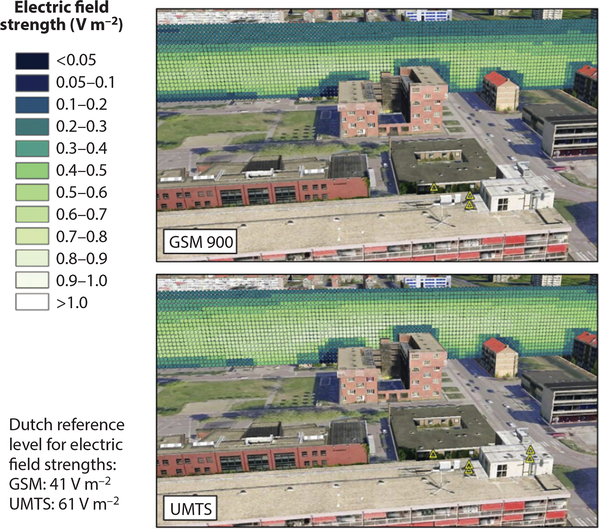
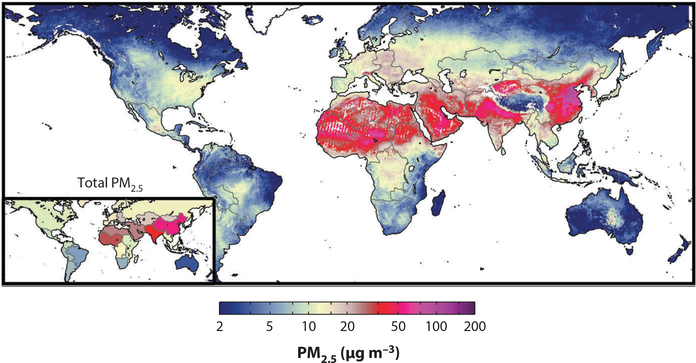
The exposome comprises all environmental exposures that a person experiences from conception throughout the life course. Here we review the state of the science for assessing external exposures within the exposome. This article reviews (a) categories of exposures that can be assessed externally, (b) the current state of the science in external exposure assessment, (c) current tools available for external exposure assessment, and (d) priority research needs. We describe major scientific and technological advances that inform external assessment of the exposome, including geographic information systems; remote sensing; global positioning system and geolocation technologies; portable and personal sensing, including smartphone-based sensors and assessments; and self-reported questionnaire assessments, which increasingly rely on Internet-based platforms. We also discuss priority research needs related to methodological and technological improvement, data analysis and interpretation, data sharing, and other practical considerations, including improved assessment of exposure variability as well as exposure in multiple, critical life stages.
暴露组包括一个人从受孕到生命历程中所经历的所有环境暴露。在此,我们综述了暴露组中外部暴露评估的科学现状。本文综述了:(a) 可进行外部评估的暴露类别;(b) 外部暴露评估的科学现状;(c) 当前可用于外部暴露评估的工具;以及 (d) 优先研究需求。我们描述了为暴露组外部评估提供信息的主要科学和技术进展,包括地理信息系统、遥感、全球定位系统和地理定位技术、便携式和个人传感(包括基于智能手机的传感器和评估)以及自我报告问卷调查评估(越来越依赖基于互联网的平台)。我们还讨论了与方法和技术改进、数据分析与解释、数据共享以及其他实际考虑因素相关的优先研究需求,包括改进暴露变异性评估以及多个关键生命阶段的暴露评估。