Peacocke M, Yaar M, Mansur C P, Chao M V, Gilchrest B A
U.S. Department of Agriculture Human Nutrition Research Center on Aging, Tufts University, Boston, MA 02111.
Proc Natl Acad Sci U S A. 1988 Jul;85(14):5282-6. doi: 10.1073/pnas.85.14.5282.
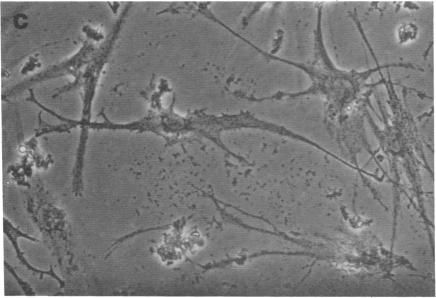
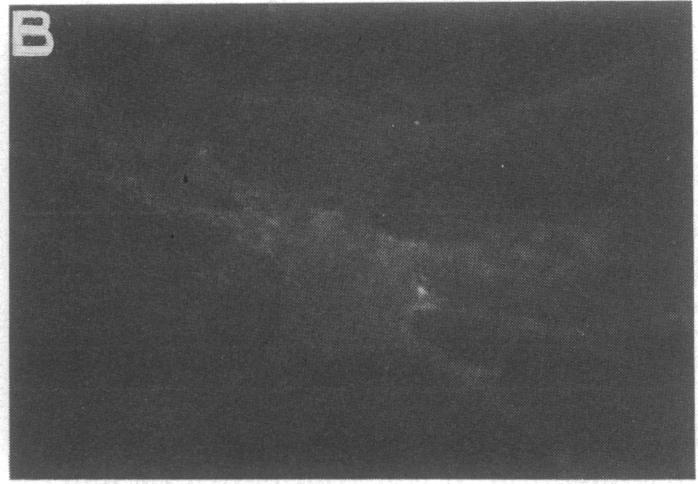
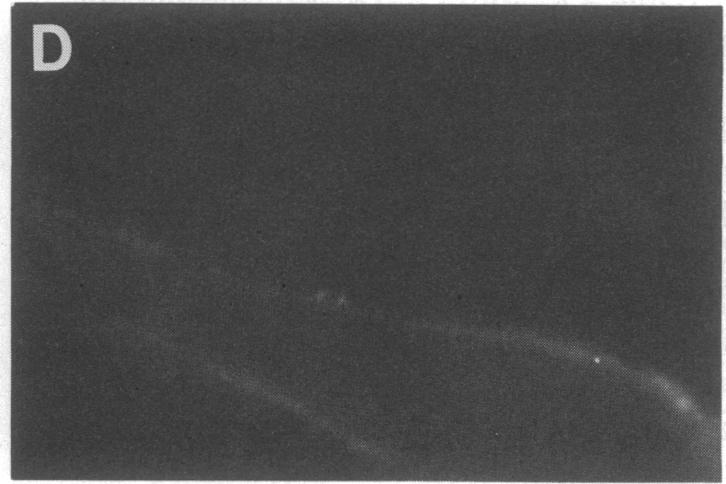
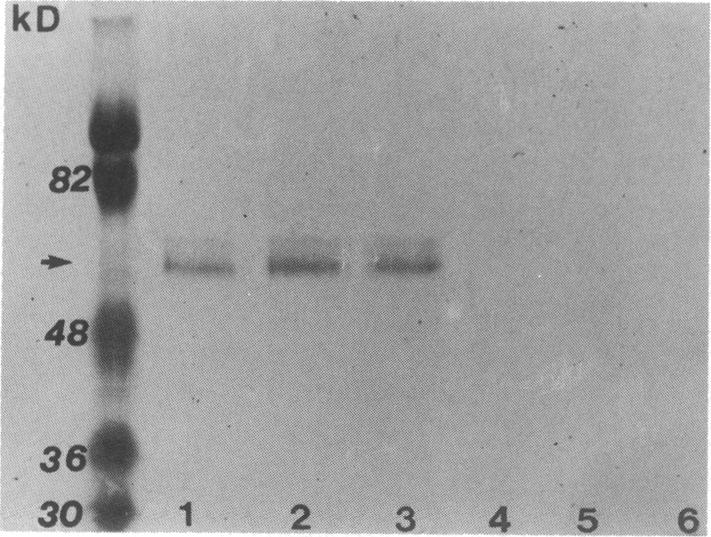
Normal differentiation and malignant transformation of human melanocytes involve a complex series of interactions during which both genetic and environmental factors play roles. At present, the regulation of these processes is poorly understood. We have induced the expression of nerve growth factor (NGF) receptors on cultured human melanocytes with phorbol 12-tetradecanoate 13-acetate and have correlated this event with the appearance of a more differentiated, dendritic morphology. Criteria for NGF receptor expression included protein accumulation and cell-surface immunofluorescent staining with a monoclonal antibody directed against the human receptor and induction of the messenger RNA species as determined by blot-hybridization studies. The presence of the receptor could also be induced by UV irradiation or growth factor deprivation. The NGF receptor is inducible in cultured human melanocytes, and we suggest that NGF may modulate the behavior of this neural crest-derived cell in the skin.
人类黑素细胞的正常分化和恶性转化涉及一系列复杂的相互作用,在此过程中,遗传因素和环境因素都发挥着作用。目前,对这些过程的调控了解甚少。我们用佛波酯诱导培养的人类黑素细胞表达神经生长因子(NGF)受体,并将这一事件与更具分化性的树突状形态的出现联系起来。NGF受体表达的标准包括蛋白质积累、用针对人类受体的单克隆抗体进行细胞表面免疫荧光染色,以及通过印迹杂交研究确定信使RNA种类的诱导。紫外线照射或生长因子剥夺也可诱导受体的存在。培养的人类黑素细胞中可诱导NGF受体,我们认为NGF可能调节皮肤中这种神经嵴衍生细胞的行为。