Zhang Yong-Feng, Li Guo-Long, Wang Xue-Feng, Sun Ya-Qing, Zhang Shao-Ying
Sugar Beet Physiological Research Institute, Inner Mongolia Agricultural University, Hohhot, China.
PLoS One. 2017 Apr 13;12(4):e0175454. doi: 10.1371/journal.pone.0175454. eCollection 2017.
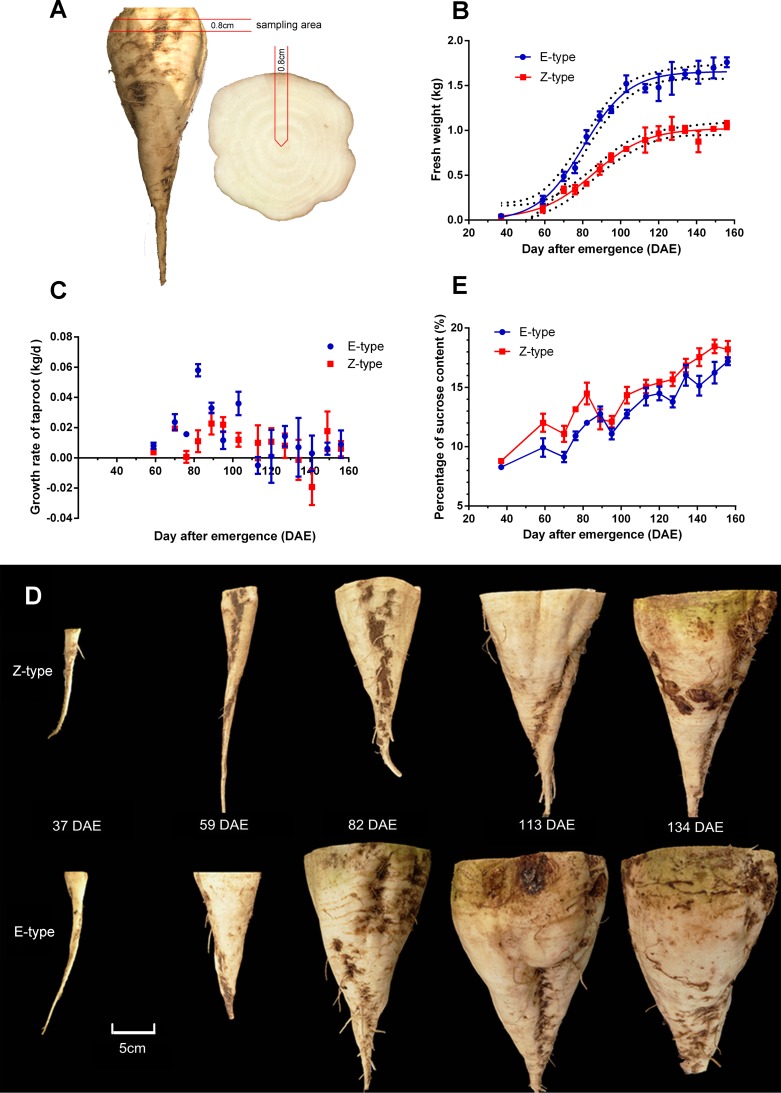
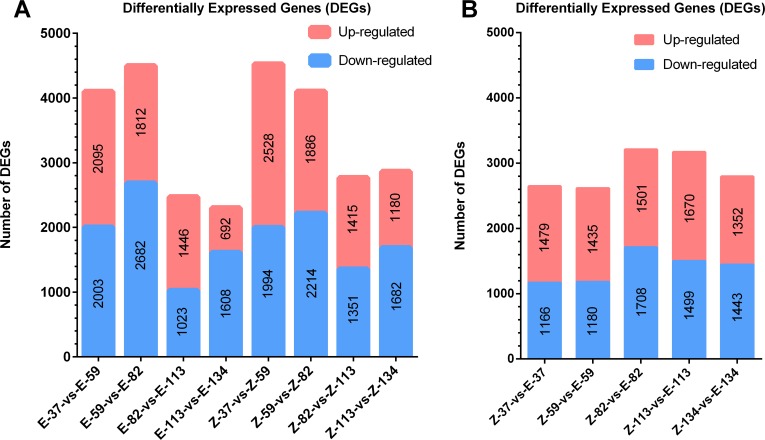
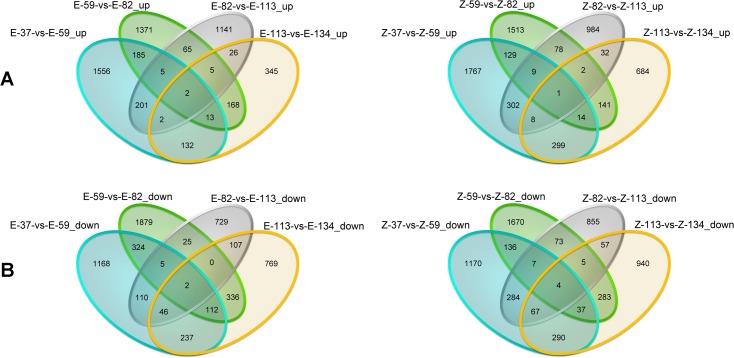
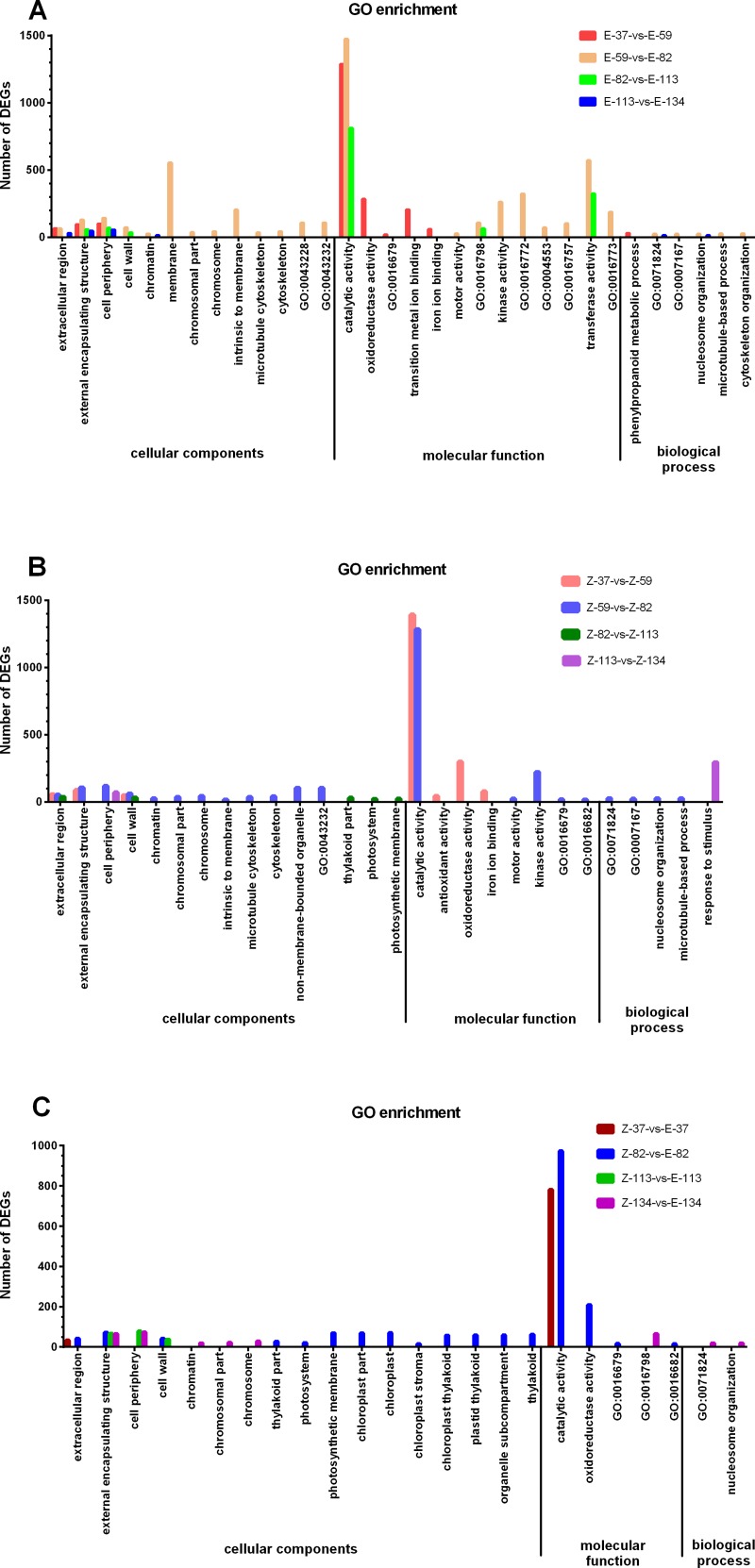
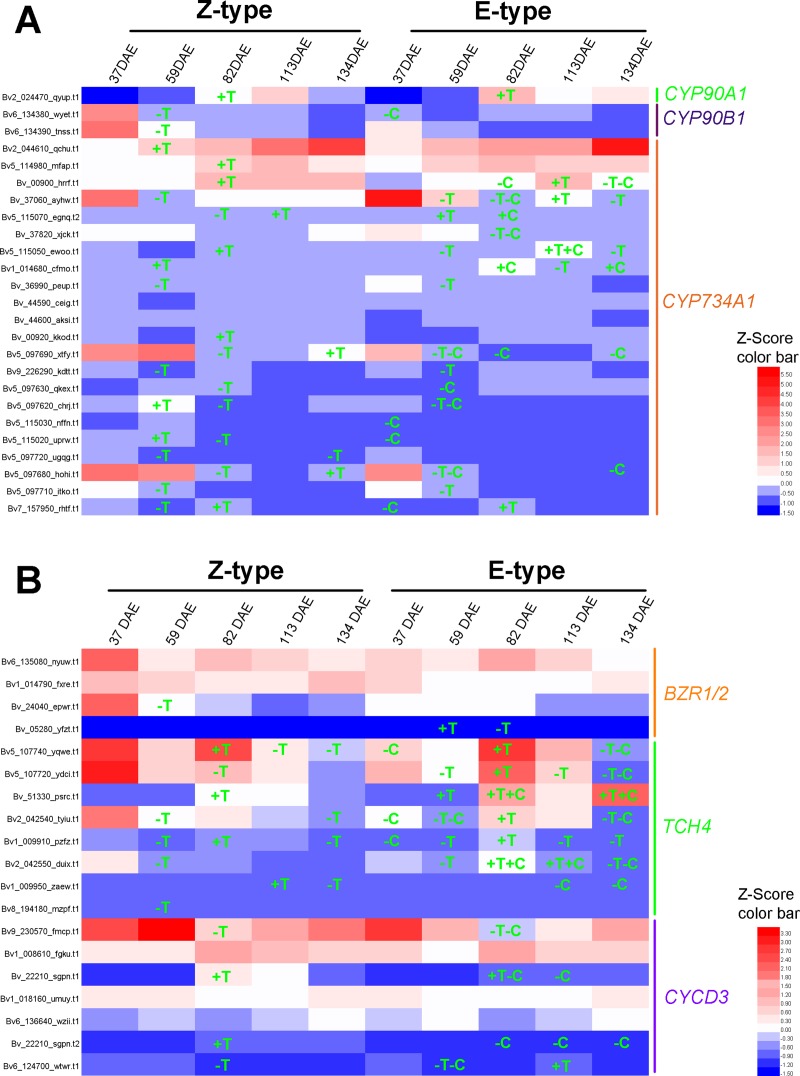
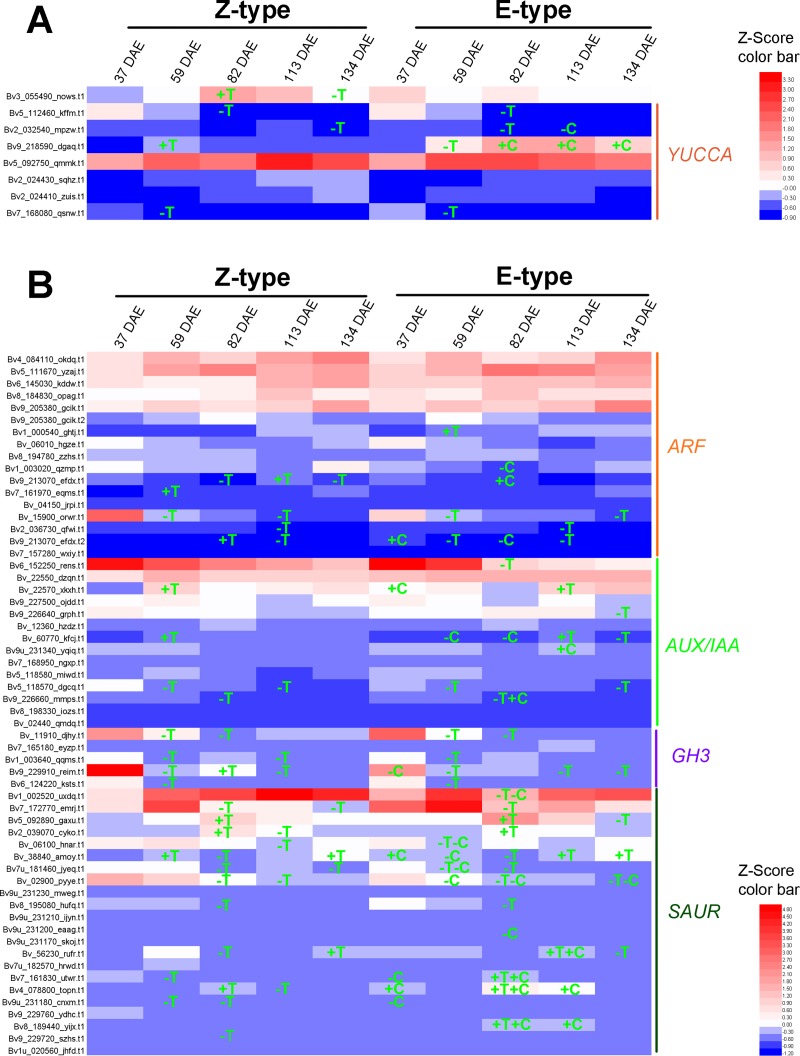
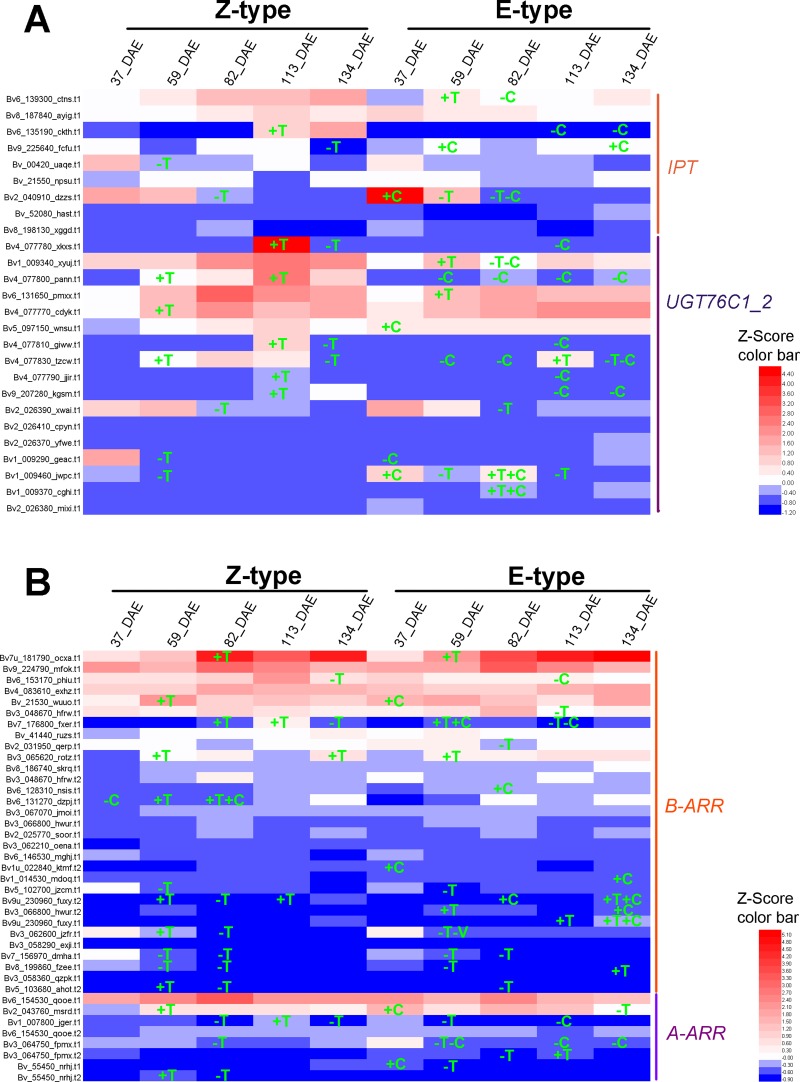
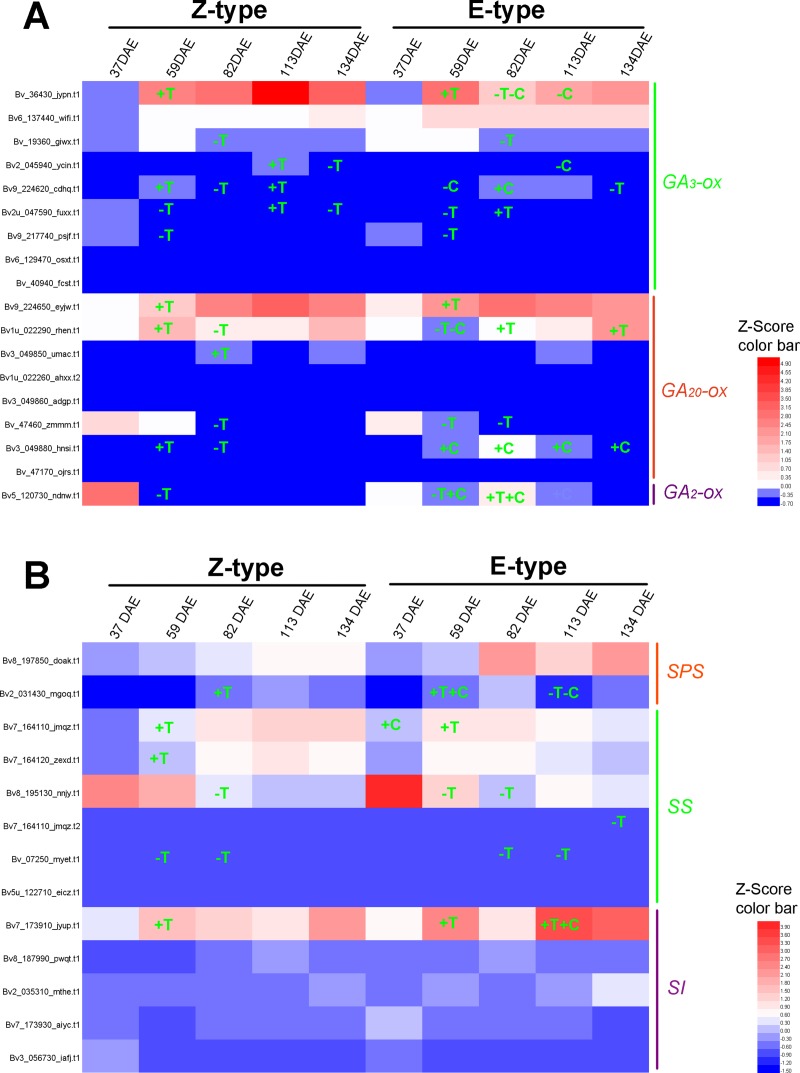
In sugar beet (Beta vulgaris L.), taproot weight and sucrose content are the important determinants of yield and quality. However, high yield and low sucrose content are two tightly bound agronomic traits. The advances in next-generation sequencing technology and the publication of sugar beet genome have provided a method for the study of molecular mechanism underlying the regulation of these two agronomic traits. In this work, we performed comparative transcriptomic analyses in the high taproot yield cultivar SD13829 and the high sucrose content cultivar BS02 at five developmental stages. More than 50,000,000 pair-end clean reads for each library were generated. When taproot turned into the rapid growth stage at the growth stage of 82 days after emergence (DAE), eighteen enriched gene ontology (GO) terms, including cell wall, cytoskeleton, and enzyme linked receptor protein signaling pathway, occurred in both cultivars. Differentially expressed genes (DEGs) of paired comparison in both cultivars were enriched in the cell wall GO term. For pathway enrichment analyses of DEGs that were respectively generated at 82 DAE compared to 59 DAE (the earlier developmental stage before taproot turning into the rapid growth stage), plant hormone signal transduction pathway was enriched. At 82 DAE, the rapid enlarging stage of taproot, several transcription factor family members were up-regulated in both cultivars. An antagonistic expression of brassinosteroid- and auxin-related genes was also detected. In SD13829, the growth strategy was relatively focused on cell enlargement promoted by brassinosteroid signaling, whereas in BS02, it was relatively focused on secondarily cambial cell division regulated by cytokinin, auxin and brassinosteroid signaling. Taken together, our data demonstrate that the weight and sucrose content of taproot rely on its growth strategy, which is controlled by brassinosteroid, auxin, cytokinin, and gibberellin.
在甜菜(Beta vulgaris L.)中,主根重量和蔗糖含量是产量和品质的重要决定因素。然而,高产和低蔗糖含量是两个紧密相关的农艺性状。新一代测序技术的进步以及甜菜基因组的公布为研究这两个农艺性状调控的分子机制提供了一种方法。在这项工作中,我们在高主根产量品种SD13829和高蔗糖含量品种BS02的五个发育阶段进行了比较转录组分析。每个文库产生了超过5000万对末端清洁 reads。当主根在出苗后82天(DAE)的生长阶段进入快速生长阶段时,两个品种中出现了18个富集的基因本体(GO)术语,包括细胞壁、细胞骨架和酶联受体蛋白信号通路。两个品种配对比较的差异表达基因(DEGs)在细胞壁GO术语中富集。对于分别在82 DAE与59 DAE(主根进入快速生长阶段之前的较早发育阶段)产生的DEGs进行通路富集分析,植物激素信号转导通路被富集。在82 DAE,即主根快速膨大阶段,两个品种中几个转录因子家族成员上调。还检测到油菜素内酯和生长素相关基因的拮抗表达。在SD13829中,生长策略相对侧重于由油菜素内酯信号促进的细胞膨大,而在BS02中,它相对侧重于由细胞分裂素、生长素和油菜素内酯信号调节的形成层细胞二次分裂。综上所述,我们的数据表明主根的重量和蔗糖含量依赖于其生长策略,该策略由油菜素内酯、生长素、细胞分裂素和赤霉素控制。