Lu Yao, Gao Hui, Zhang Man, Chen Bing, Yang Huilin
Department of Orthopedics, First Affiliated Hospital of Soochow University, Suzhou, Jiangsu, China (mainland).
Department of Dermatology, College of Clinical of Yangzhou University, Yangzhou, Jiangsu, China (mainland).
Med Sci Monit. 2017 Apr 14;23:1800-1811. doi: 10.12659/msm.902754.
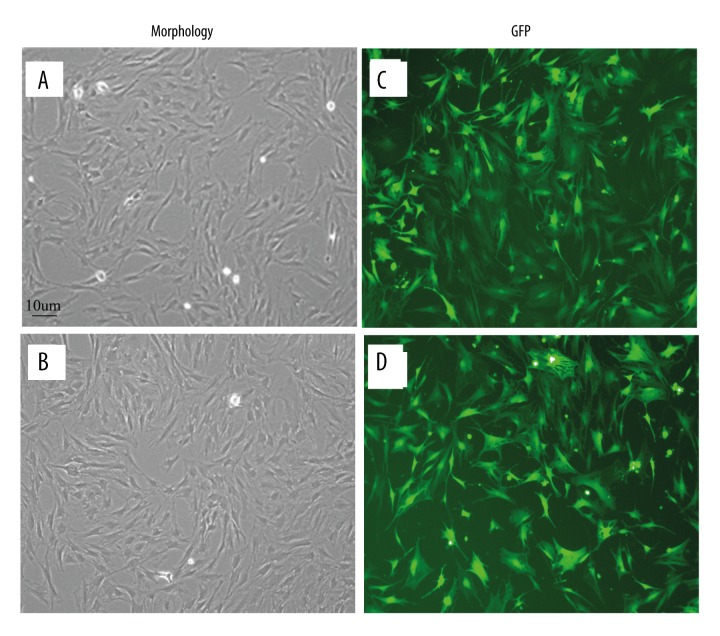
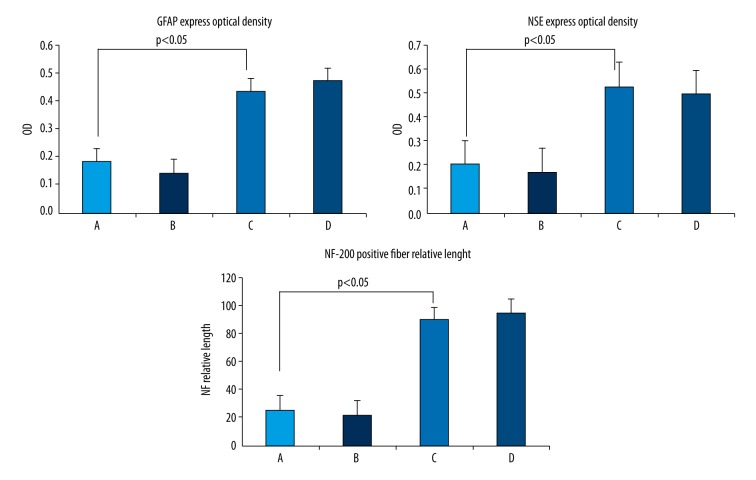
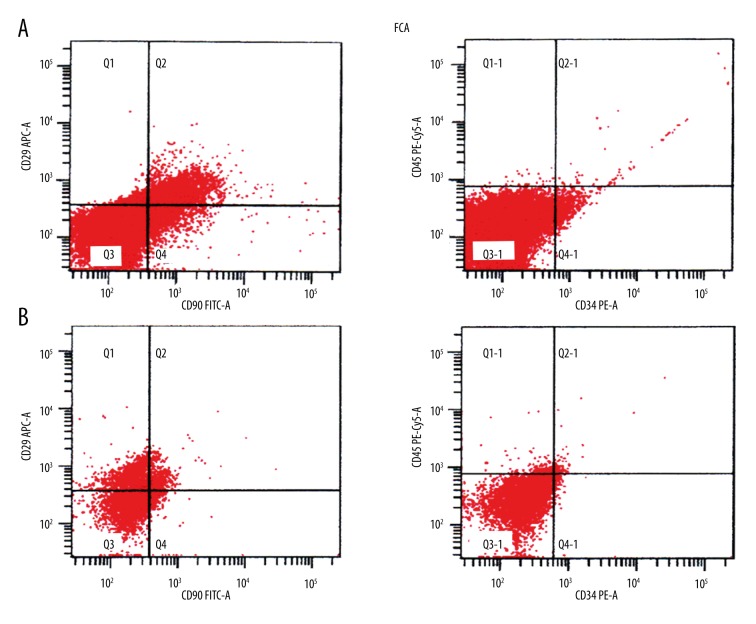
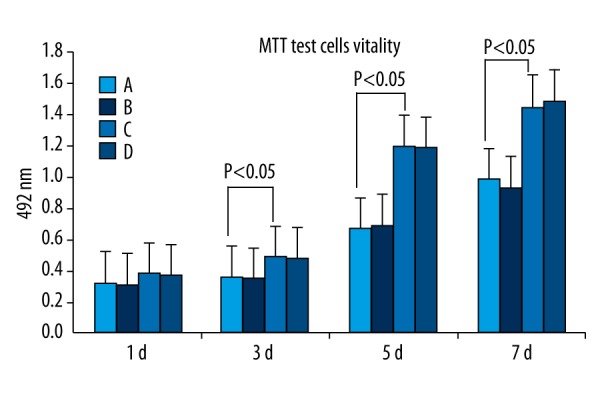
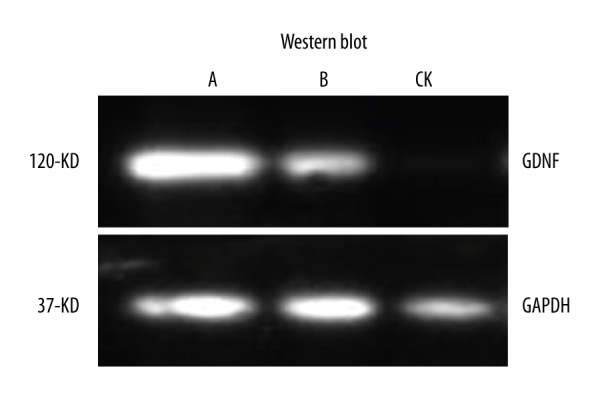
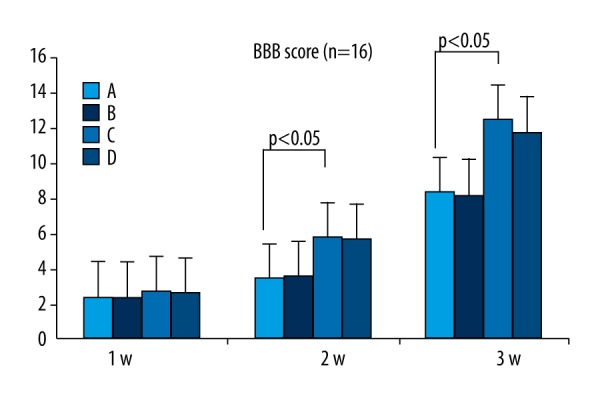
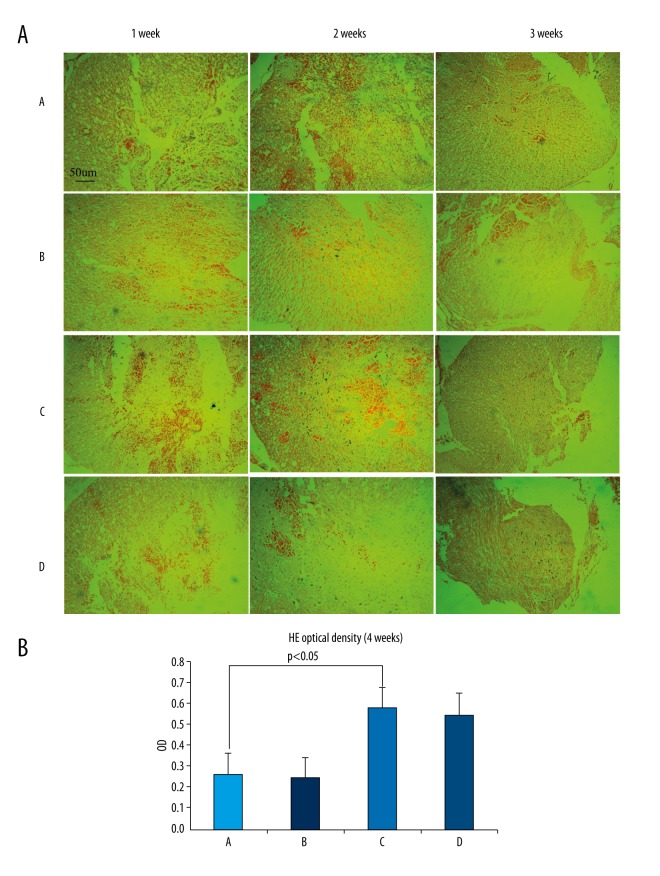
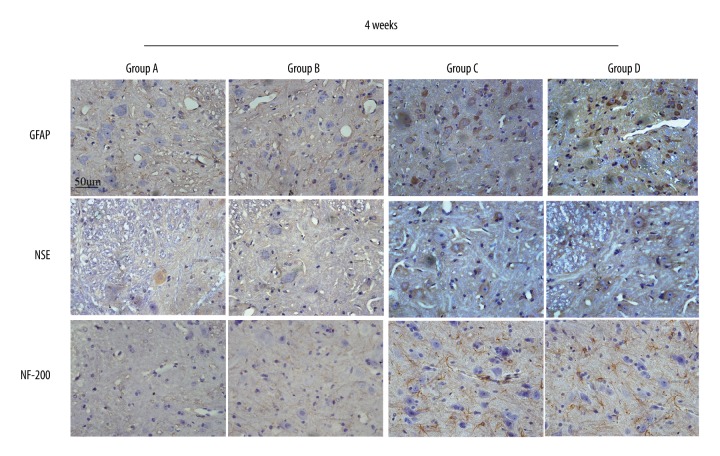
BACKGROUND Placenta-derived mesenchymal stem cells (PMSCs) were isolated from placenta and had differentiation and self-renewal potential. We transfected PMSCs with glial cell line-derived neurotrophic factor (GDNF) and compared their effect for repairing spinal cord injury (SCI) with that of GDNF-transfected bone marrow-derived mesenchymal stem cell (BMSC). MATERIAL AND METHODS The PMSCs were isolated from Sprague-Dawley rat placenta; BMSCs were isolated from Sprague-Dawley rat thigh bone marrow. Primary cultured BMSCs and PMSCs were uniformly spindle-shaped. Flow cytometry indicated that both cell types were CD29- and CD90-positive and CD34- and CD45-negative, confirming that they were MSCs. The PMSCs and BMSCs were transfected with recombinant lentivirus containing the GDNF gene in vitro. PMSC and BMSC viability was increased after transfection, and GDNF expression was increased until 10 d after transfection. SCI was created in the rats (n=64) and was repaired using transfected PMSCs and BMSCs or untransfected PMSCs and BMSCs. RESULTS The transfected PMSCs and BMSCs repaired the SCI. Flow cytometry, histology, immunohistochemical, kinesiology properties, and Basso-Beattie-Bresnahan locomotion score measurements determined no significant difference between transfected PMSCs and BMSCs at 7, 14, and 21 d post-transplantation (P>0.05); the injury healed better in transfected PMSCs and BMSCs than in untransfected PMSCs and BMSCs (P<0.05). CONCLUSIONS MSCs have similar biology characteristics and capacity for SCI repair to BMSCs and can be used as a new resource for treating SCI.
胎盘来源的间充质干细胞(PMSC)是从胎盘中分离出来的,具有分化和自我更新潜力。我们用胶质细胞源性神经营养因子(GDNF)转染PMSC,并将其修复脊髓损伤(SCI)的效果与GDNF转染的骨髓来源间充质干细胞(BMSC)进行比较。
从Sprague-Dawley大鼠胎盘中分离PMSC;从Sprague-Dawley大鼠大腿骨髓中分离BMSC。原代培养的BMSC和PMSC均呈均匀的纺锤形。流式细胞术表明,这两种细胞类型均为CD29和CD90阳性、CD34和CD45阴性,证实它们是间充质干细胞。体外将含有GDNF基因的重组慢病毒转染PMSC和BMSC。转染后PMSC和BMSC的活力增加,GDNF表达在转染后10天内增加。在大鼠(n = 64)中制造SCI,并使用转染的PMSC和BMSC或未转染的PMSC和BMSC进行修复。
转染的PMSC和BMSC修复了SCI。流式细胞术、组织学、免疫组织化学、运动学特性和Basso-Beattie-Bresnahan运动评分测量结果显示,移植后7、14和21天,转染的PMSC和BMSC之间无显著差异(P>0.05);转染的PMSC和BMSC的损伤愈合情况优于未转染的PMSC和BMSC(P<0.05)。
间充质干细胞与BMSC具有相似的生物学特性和SCI修复能力,可作为治疗SCI的新资源。