Tsagaratou Ageliki, Lio Chan-Wang J, Yue Xiaojing, Rao Anjana
Department of Signaling and Gene Expression, La Jolla Institute for Allergy and Immunology, La Jolla, CA, USA.
Department of Pharmacology and Moores Cancer Center, University of California at San Diego, La Jolla, CA, USA.
Front Immunol. 2017 Mar 31;8:220. doi: 10.3389/fimmu.2017.00220. eCollection 2017.
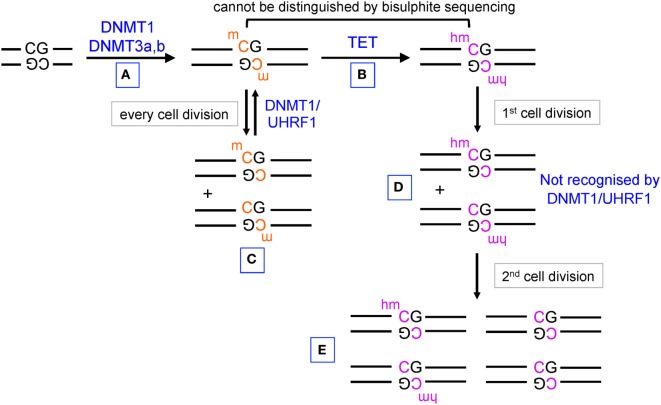
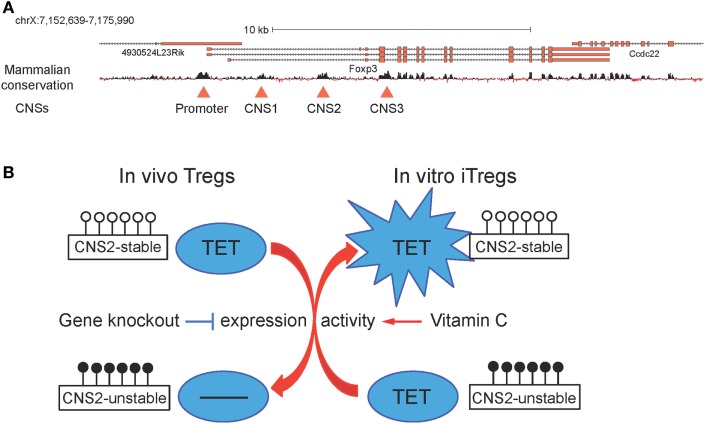
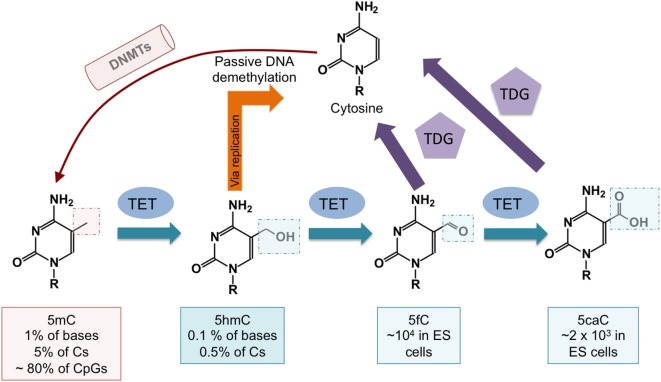
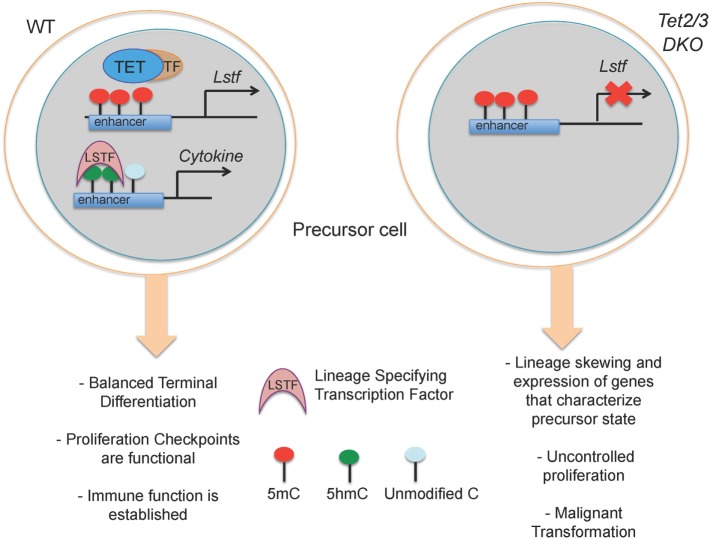
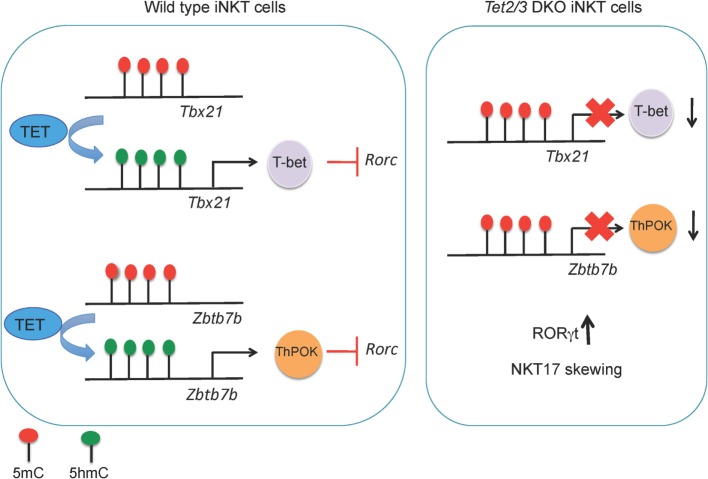
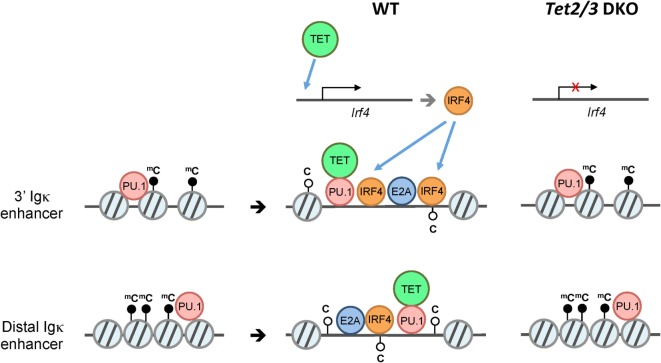
DNA methylation is established by DNA methyltransferases and is a key epigenetic mark. Ten-eleven translocation (TET) proteins are enzymes that oxidize 5-methylcytosine (5mC) to 5-hydroxymethylcytosine (5hmC) and further oxidization products (oxi-mCs), which indirectly promote DNA demethylation. Here, we provide an overview of the effect of TET proteins and altered DNA modification status in T and B cell development and function. We summarize current advances in our understanding of the role of TET proteins and 5hmC in T and B cells in both physiological and pathological contexts. We describe how TET proteins and 5hmC regulate DNA modification, chromatin accessibility, gene expression, and transcriptional networks and discuss potential underlying mechanisms and open questions in the field.
DNA甲基化由DNA甲基转移酶建立,是一种关键的表观遗传标记。10-11易位(TET)蛋白是将5-甲基胞嘧啶(5mC)氧化为5-羟甲基胞嘧啶(5hmC)以及进一步氧化产物(oxi-mCs)的酶,这间接促进了DNA去甲基化。在此,我们概述了TET蛋白的作用以及T和B细胞发育与功能中DNA修饰状态的改变。我们总结了目前在生理和病理背景下对TET蛋白和5hmC在T和B细胞中的作用的理解进展。我们描述了TET蛋白和5hmC如何调节DNA修饰、染色质可及性、基因表达和转录网络,并讨论了该领域潜在的潜在机制和未解决的问题。