Yamamoto Tsuneyuki, Hasegawa Tomoka, Yamamoto Tomomaya, Hongo Hiromi, Amizuka Norio
Department of Developmental Biology of Hard Tissue, Hokkaido University Graduate School of Dental Medicine, Kita 13, Nishi 7, Kita-ku, Sapporo 060-8586, Japan.
Jpn Dent Sci Rev. 2016 Aug;52(3):63-74. doi: 10.1016/j.jdsr.2016.04.002. Epub 2016 Apr 27.
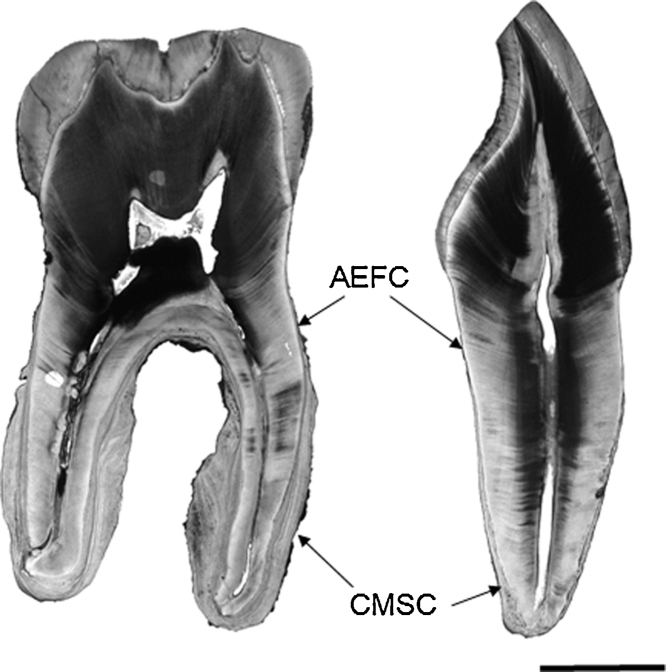
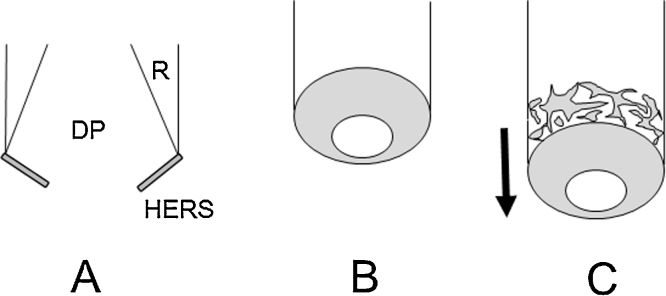
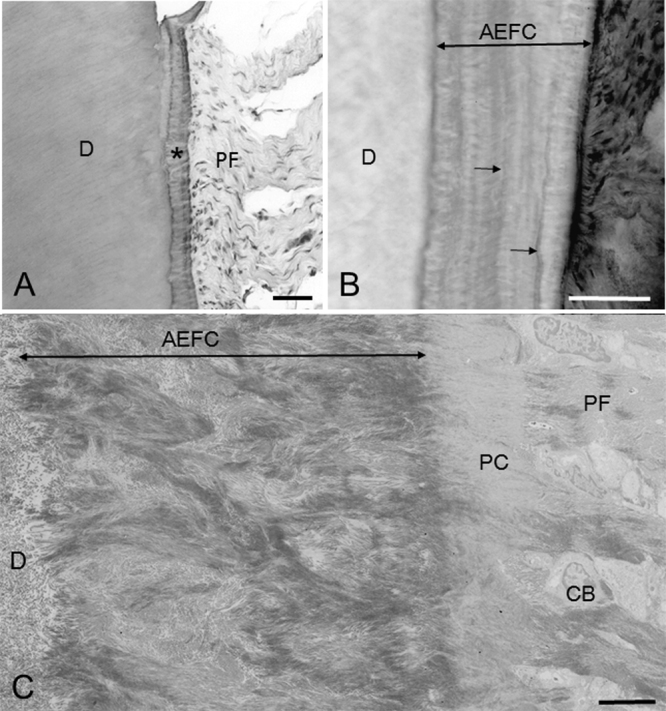
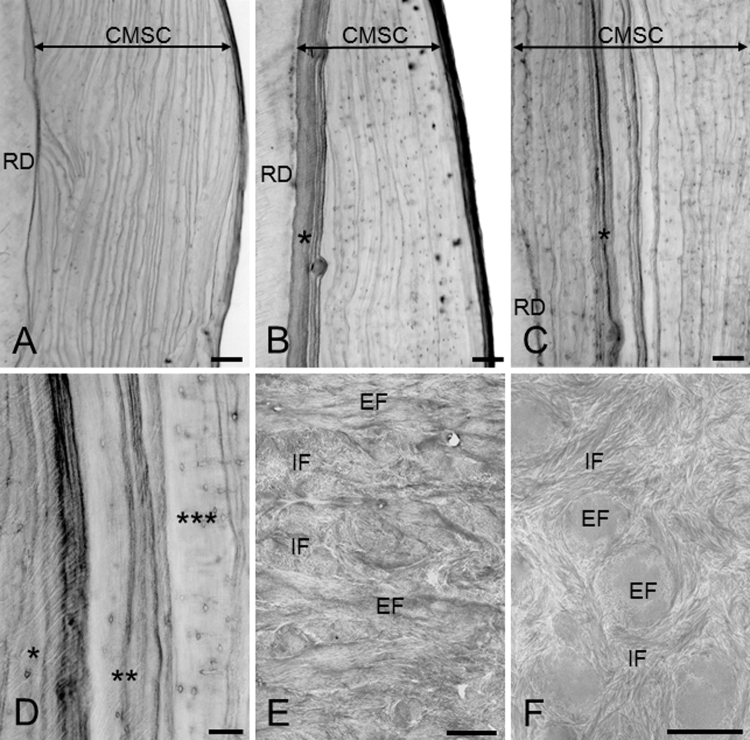
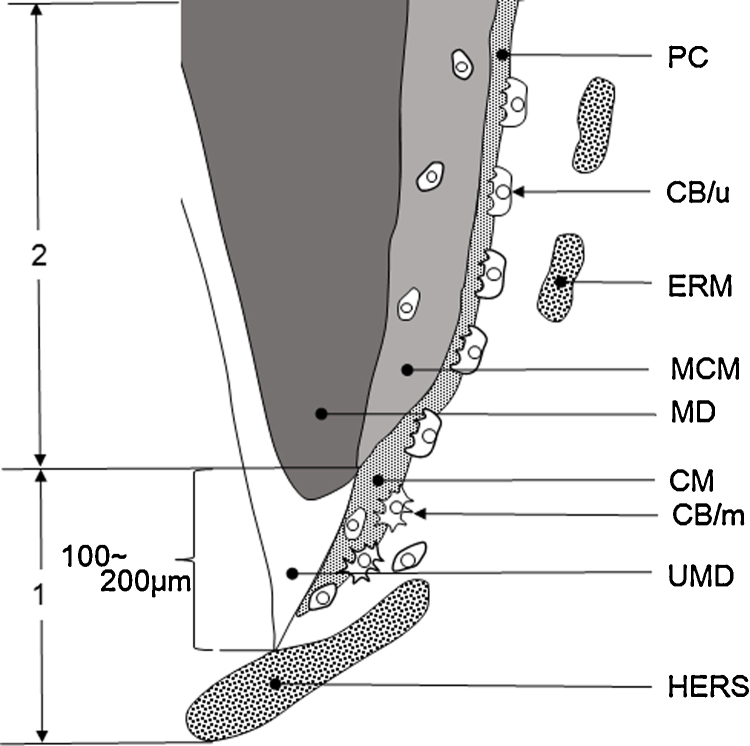
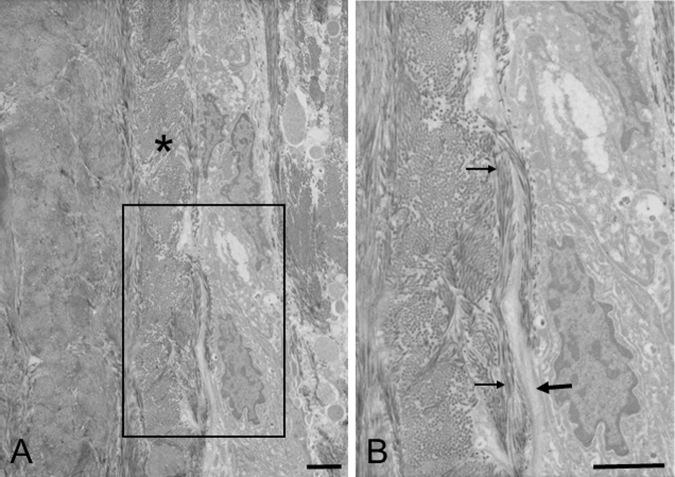
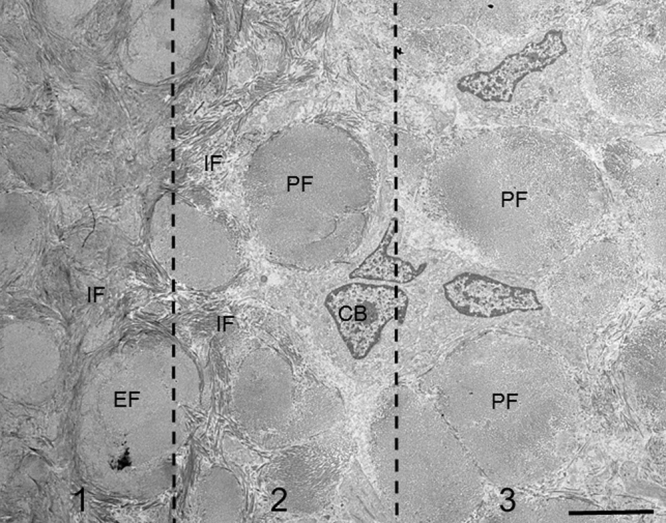
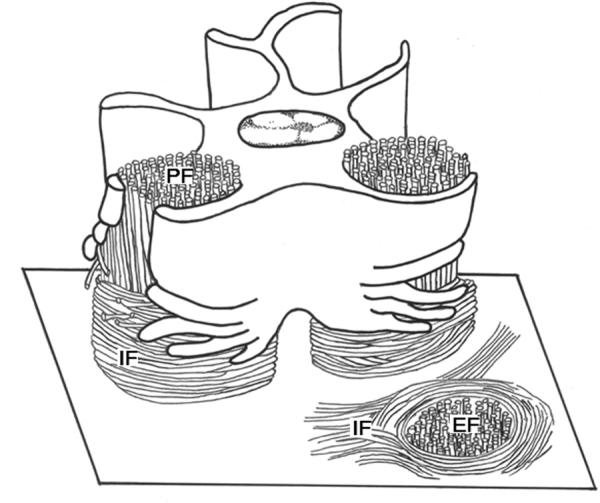
Cementum was first demonstrated by microscopy, about 180 years ago. Since then the biology of cementum has been investigated by the most advanced techniques and equipment at that time in various fields of dental sciences. A great deal of data on cementum histology have been accumulated. These data have been obtained from not only human, but also non-human animals, in particular, rodents such as the mouse and rat. Although many dental histologists have reviewed histology of human cementum, some descriptions are questionable, probably due to incorrect comparison of human and rodent cementum. This review was designed to introduce current histology of human cementum, its structure, function, and development and to re-examine the most questionable and controversial conclusions made in previous reports.
约180年前,牙骨质首次通过显微镜得以证实。从那时起,牙骨质生物学便在当时牙科科学的各个领域中借助最先进的技术和设备进行了研究。关于牙骨质组织学已积累了大量数据。这些数据不仅来自人类,也来自非人类动物,尤其是小鼠和大鼠等啮齿动物。尽管许多牙科组织学家已对人类牙骨质的组织学进行了综述,但有些描述可能存在疑问,这可能是由于对人类和啮齿动物牙骨质进行了不正确的比较。本综述旨在介绍人类牙骨质的当前组织学、其结构、功能和发育,并重新审视先前报告中最具疑问和争议的结论。