Rising Camella J, Bol Nadine, Kreps Gary L
Center for Health and Risk Communication, Department of Communication, George Mason University, Fairfax, VA, United States.
Amsterdam School of Communication Research (ASCoR), Department of Communication Science, University of Amsterdam, Amsterdam, Netherlands.
JMIR Cancer. 2015 Jun 25;1(1):e6. doi: 10.2196/cancer.4178.
Men with prostate cancer require ample information and support along the continuum of care, and eHealth is one way to meet such critical information and support needs. Currently, evidence about how age influences use and perceptions about prostate cancer eHealth information and support is lacking.
The aim of this paper is to explore use and perceptions about eHealth among men living with prostate cancer. Specifically, we aimed to analyze men with prostate cancer by age-specific cohorts to identify potential age-related differences in use and perceptions about prostate cancer eHealth information.
We used survey methodology to examine how men under 65 years old with prostate cancer differ from those aged 65 years old or older in use and perceptions about prostate cancer eHealth information and support (n=289).
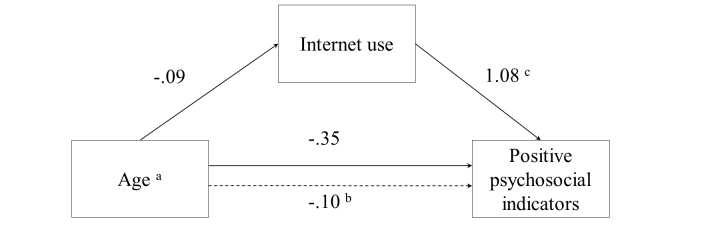
We found that men in the younger cohort used the Internet more often to be informed about treatment options (P=.04) and to learn more about staging/grading (P=.01) than men in the older cohort. Results also showed comparatively greater use of online prostate cancer information for emotional support and encouragement by the younger as compared to the older cohort (P=.001). Furthermore, the older cohort reported more negative psychosocial effects of eHealth (eg, more anxious, depressed) than younger men (P=.002). We also found that as a result of more frequent Internet use, younger men experienced more positive psychosocial effects (eg, more informed, in control) from accessing information about prostate cancer through eHealth channels (b=-0.10, 95% CI -0.28 to 0).
Men with prostate cancer have different information and support needs; our findings suggest that these needs might vary by age. Future research is needed to unravel age-related factors underlying these differences to be better able to tailor prostate cancer eHealth information to men's information and support needs.
前列腺癌男性患者在整个护理过程中需要充分的信息和支持,而电子健康是满足此类关键信息和支持需求的一种方式。目前,关于年龄如何影响前列腺癌电子健康信息和支持的使用及认知的证据尚缺。
本文旨在探讨前列腺癌男性患者对电子健康的使用及认知情况。具体而言,我们旨在按特定年龄组分析前列腺癌男性患者,以确定在前列腺癌电子健康信息的使用及认知方面潜在的年龄相关差异。
我们采用调查方法,研究65岁以下前列腺癌男性患者与65岁及以上患者在前列腺癌电子健康信息和支持的使用及认知方面有何不同(n = 289)。
我们发现,与老年组男性相比,年轻组男性更常通过互联网了解治疗方案(P = 0.04)以及更多了解分期/分级情况(P = 0.01)。结果还显示,与老年组相比,年轻组在情感支持和鼓励方面对在线前列腺癌信息的使用相对更多(P = 0.001)。此外,老年组报告电子健康带来的负面心理社会影响(如更焦虑、抑郁)比年轻男性更多(P = 0.002)。我们还发现,由于更频繁地使用互联网,年轻男性通过电子健康渠道获取前列腺癌信息产生了更积极的心理社会影响(如了解更多、更有掌控感)(b = -0.10,95%可信区间 -0.28至0)。
前列腺癌男性患者有不同的信息和支持需求;我们的研究结果表明这些需求可能因年龄而异。未来需要开展研究,以揭示这些差异背后与年龄相关的因素,从而更好地根据男性患者的信息和支持需求定制前列腺癌电子健康信息。