Institute of Agricultural and Environmental Sciences, Estonian University of Life Sciences, Kreutzwaldi 1, Tartu 51014, Estonia.
Estonian Academy of Sciences, Kohtu 6, 10130 Tallinn, Estonia.
J Exp Bot. 2017 Mar 1;68(7):1639-1653. doi: 10.1093/jxb/erx045.
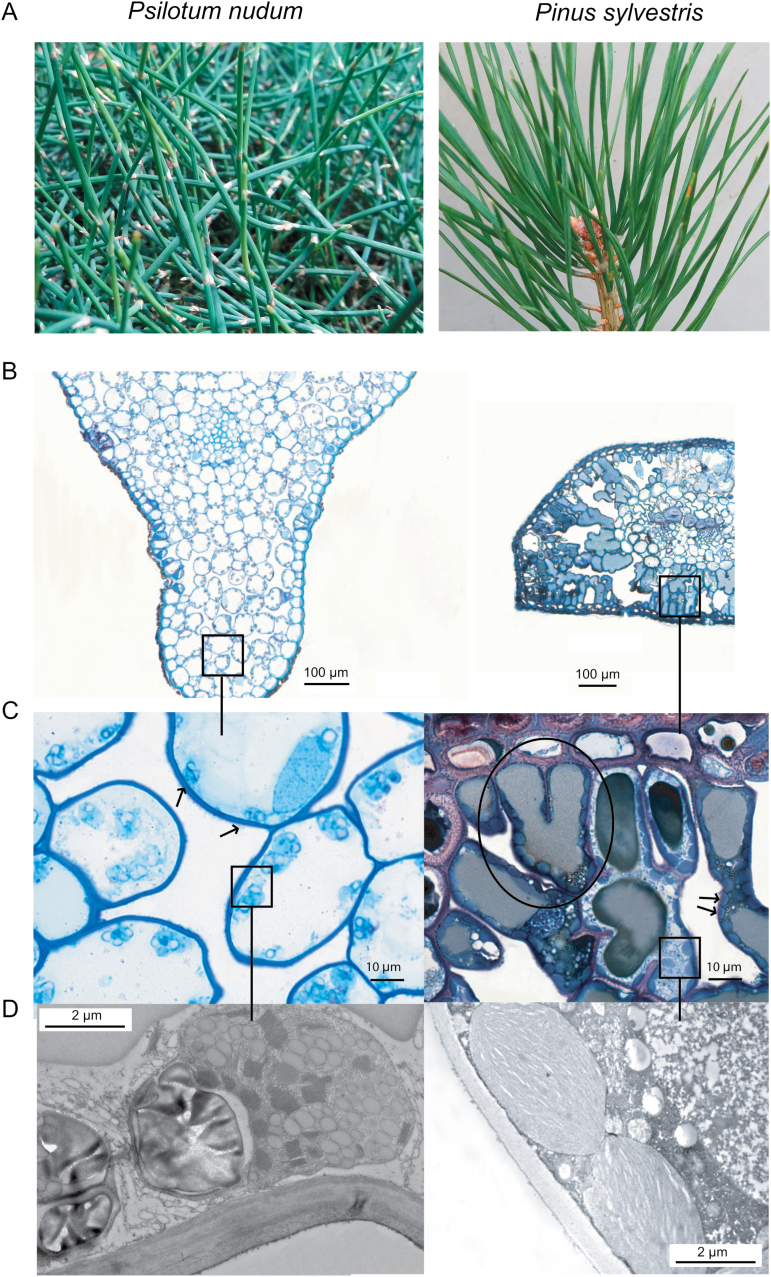
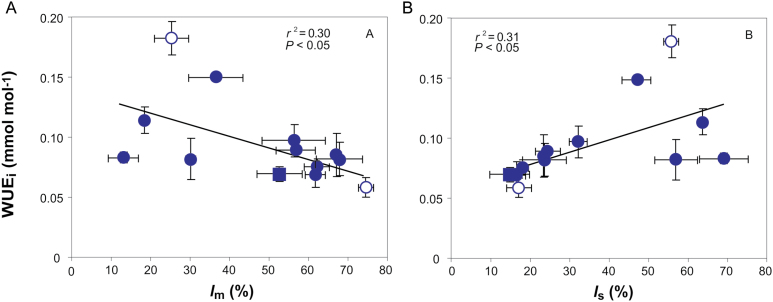
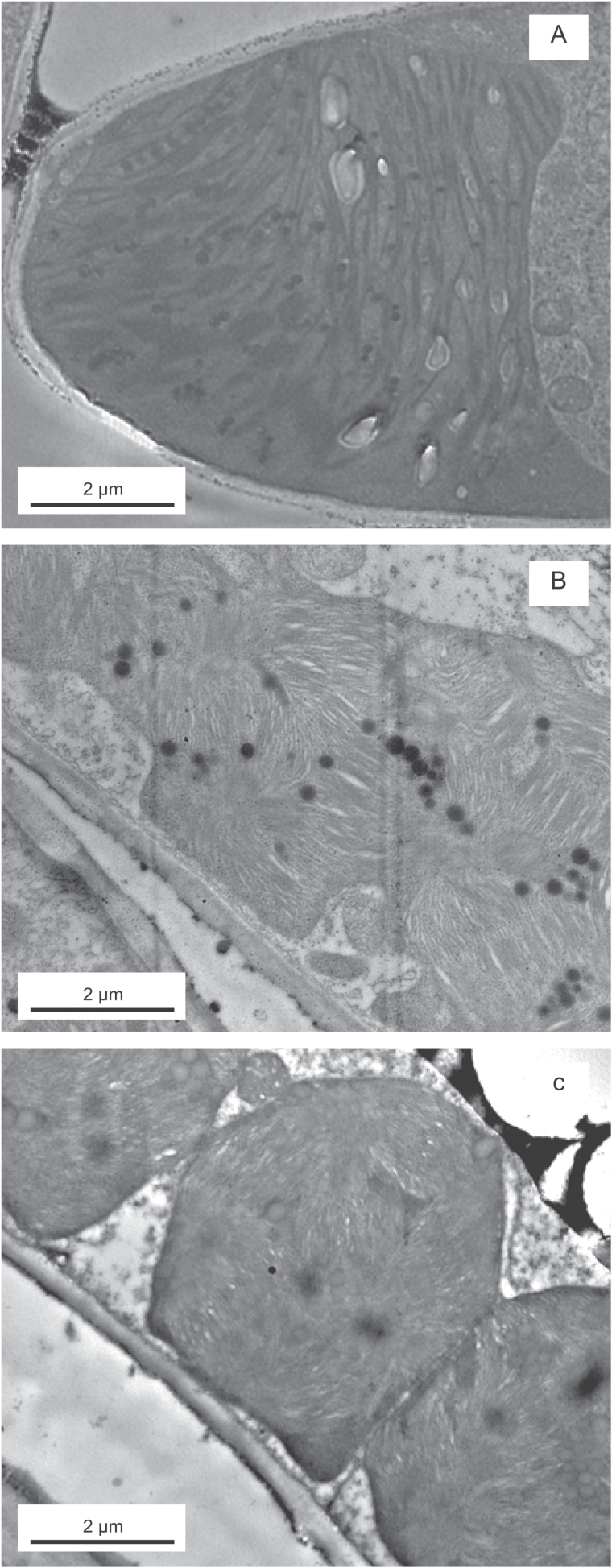
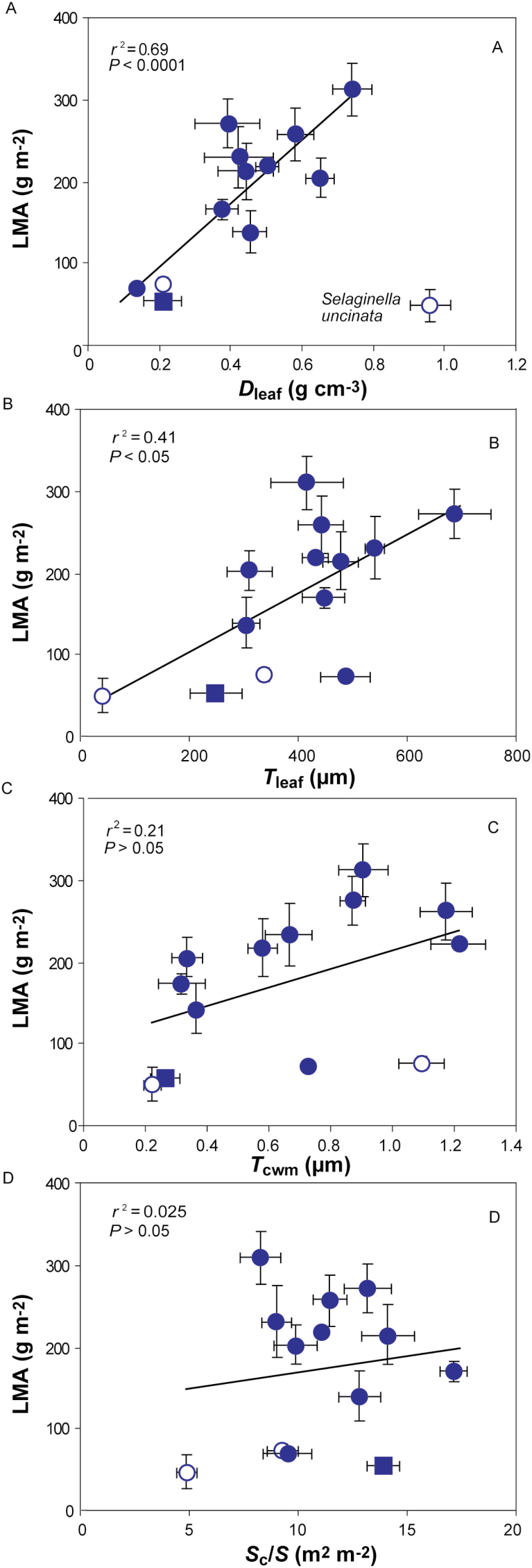
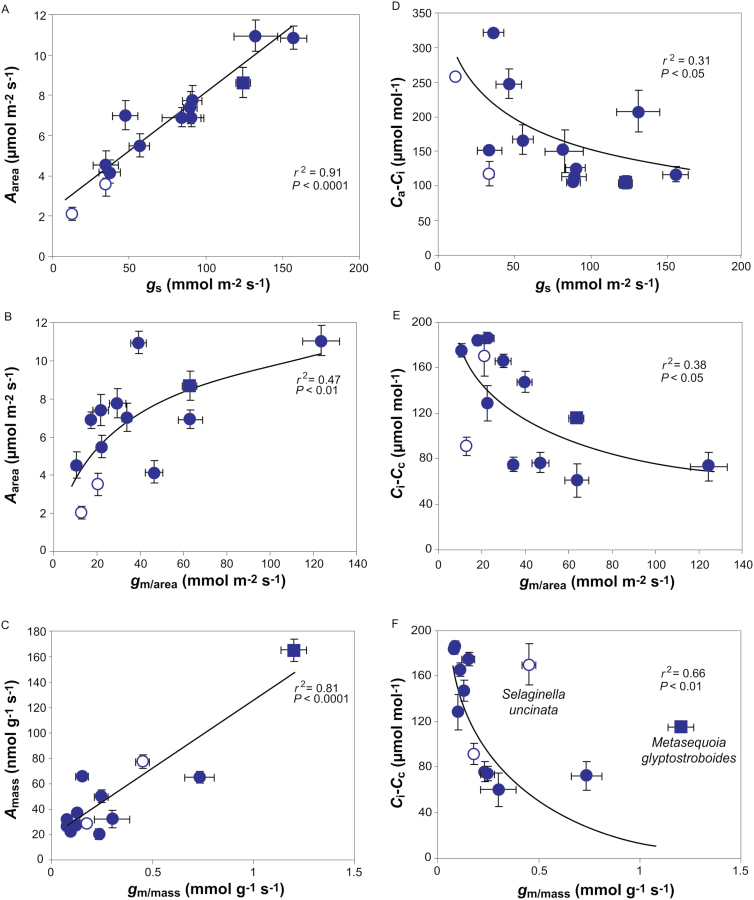
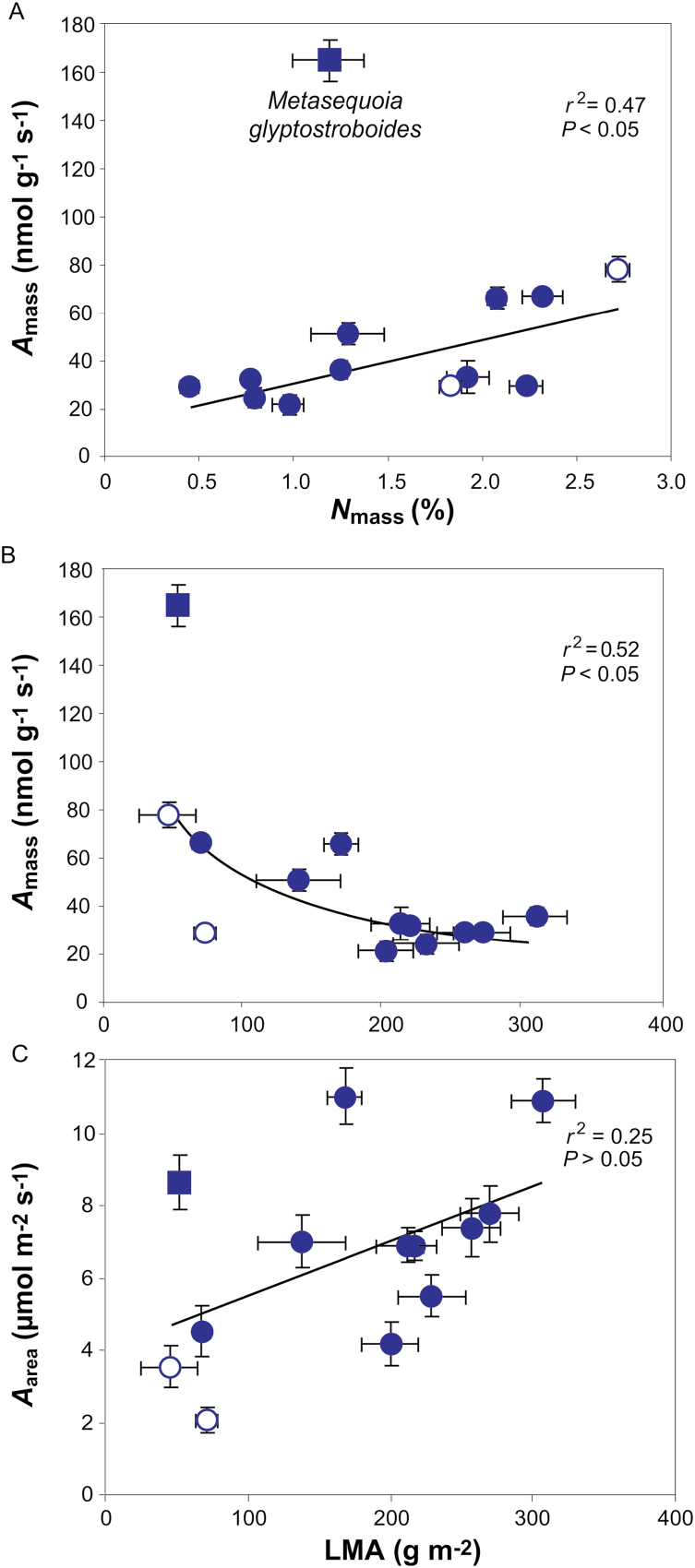
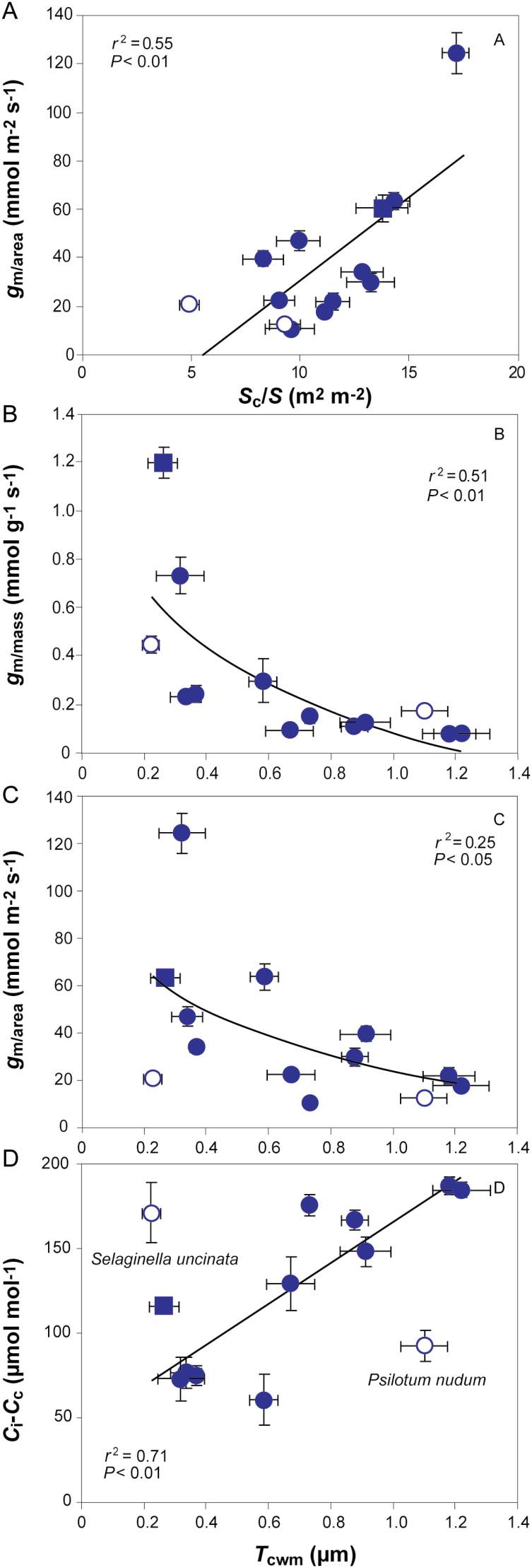
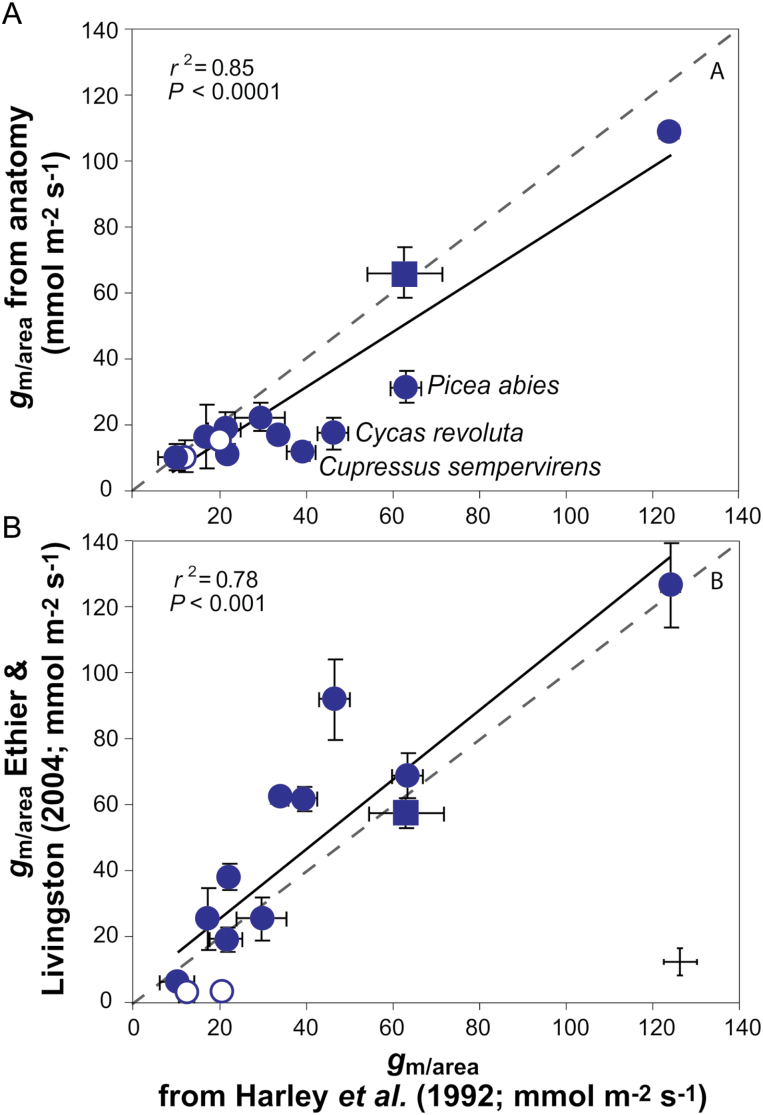
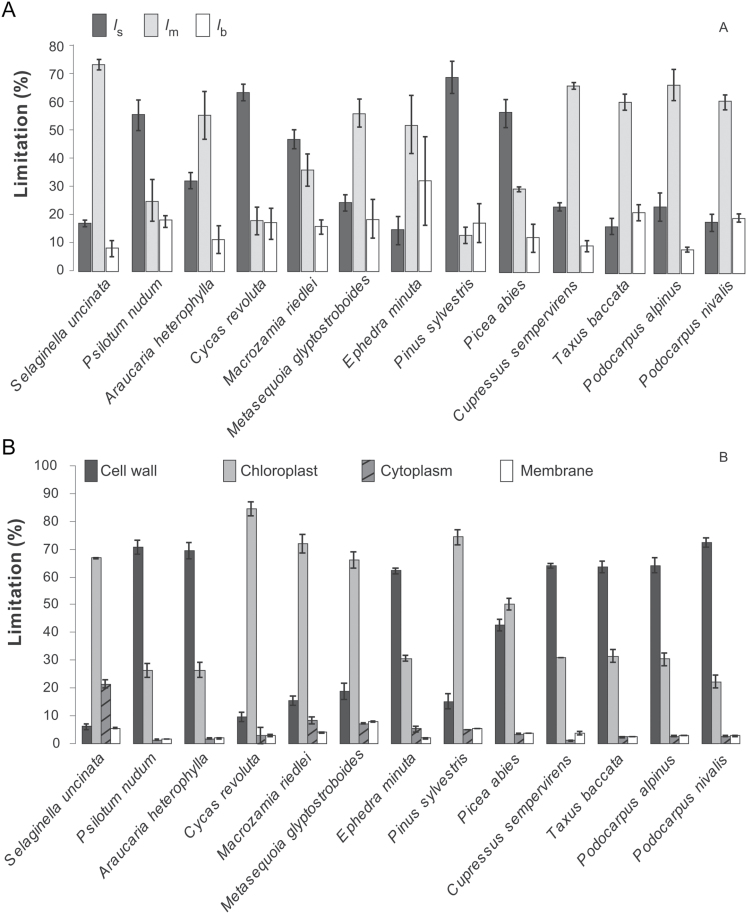
Mesophyll conductance is thought to be an important photosynthetic limitation in gymnosperms, but they currently constitute the most understudied plant group in regard to the extent to which photosynthesis and intrinsic water use efficiency are limited by mesophyll conductance. A comprehensive analysis of leaf gas exchange, photosynthetic limitations, mesophyll conductance (calculated by three methods previously used for across-species comparisons), and the underlying ultra-anatomical, morphological and chemical traits in 11 gymnosperm species varying in evolutionary history was performed to gain insight into the evolution of structural and physiological controls on photosynthesis at the lower return end of the leaf economics spectrum. Two primitive herbaceous species were included in order to provide greater evolutionary context. Low mesophyll conductance was the main limiting factor of photosynthesis in the majority of species. The strongest sources of limitation were extremely thick mesophyll cell walls, high chloroplast thickness and variation in chloroplast shape and size, and the low exposed surface area of chloroplasts per unit leaf area. In gymnosperms, the negative relationship between net assimilation per mass and leaf mass per area reflected an increased mesophyll cell wall thickness, whereas the easy-to-measure integrative trait of leaf mass per area failed to predict the underlying ultrastructural traits limiting mesophyll conductance.
质膜导度被认为是裸子植物光合作用的一个重要限制因素,但就光合作用和内在水分利用效率在多大程度上受到质膜导度限制而言,它们目前是研究最少的植物群体。对 11 种进化历史不同的裸子植物的叶片气体交换、光合作用限制、质膜导度(通过以前用于种间比较的三种方法计算)以及潜在的超解剖、形态和化学特性进行了综合分析,以深入了解在叶片经济谱的较低回报端光合作用的结构和生理控制的进化。为了提供更大的进化背景,包括了两个原始的草本物种。在大多数物种中,低质膜导度是光合作用的主要限制因素。限制作用最强的因素是极其厚的质膜细胞壁、高叶绿体厚度和叶绿体形状和大小的变化,以及单位叶面积上叶绿体的暴露表面积低。在裸子植物中,每单位质量的净同化量与叶面积质量比呈负相关,反映出质膜细胞壁厚度的增加,而易于测量的叶面积质量比综合特征未能预测限制质膜导度的潜在超微结构特征。