Xie Qinghua, Zhu Hua, Wang Feng, Meng Xiangxi, Ren Qiushi, Xia Chuanqin, Yang Zhi
College of Chemistry, Sichuan University, Chengdu 610064, China.
Key Laboratory of Carcinogenesis and Translational Research (Ministry of Education), Department of Nuclear Medicine, Peking University Cancer Hospital & Institute, Beijing 100142, China.
Molecules. 2017 Apr 17;22(4):641. doi: 10.3390/molecules22040641.
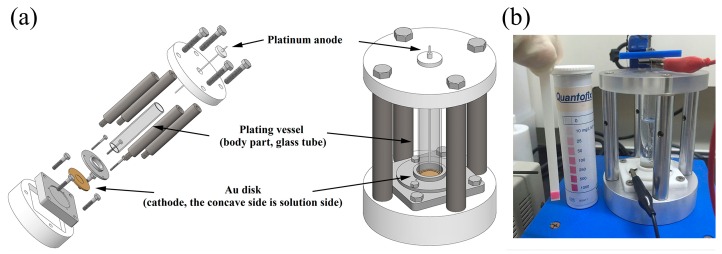
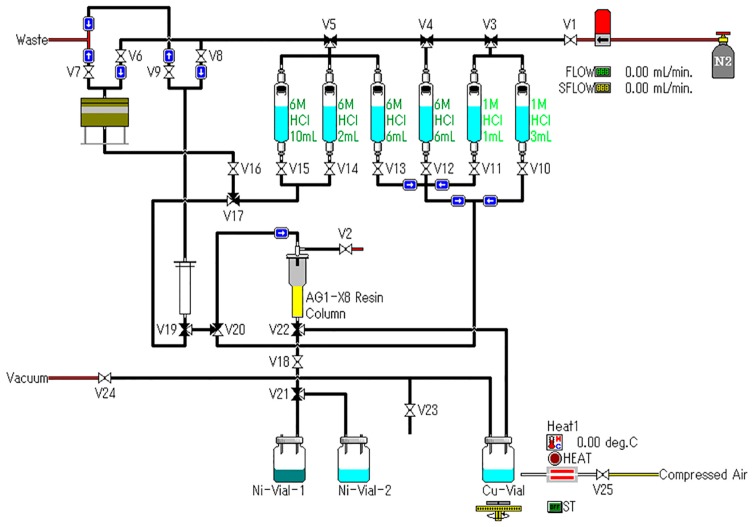
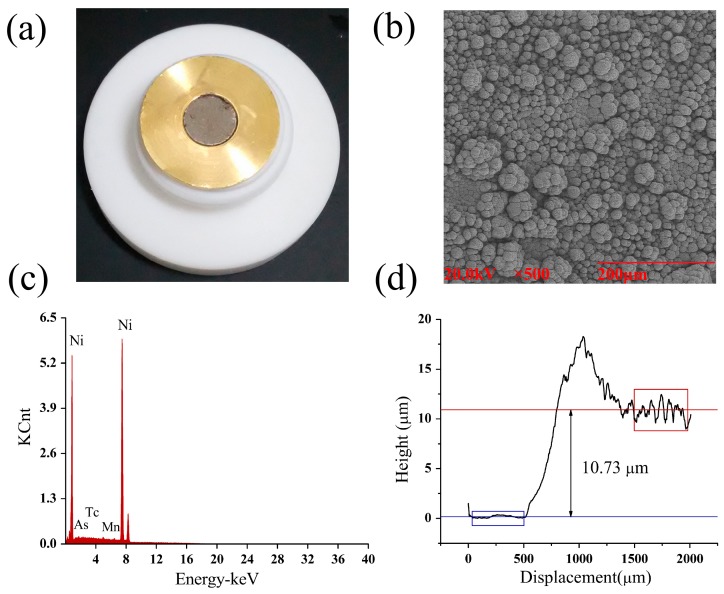
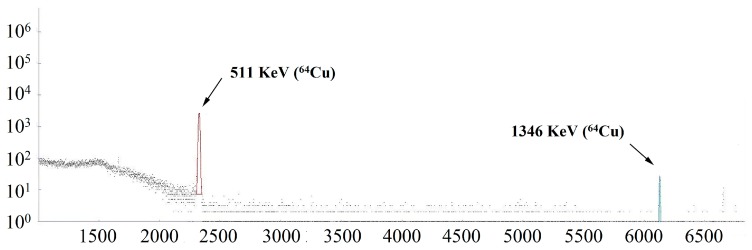
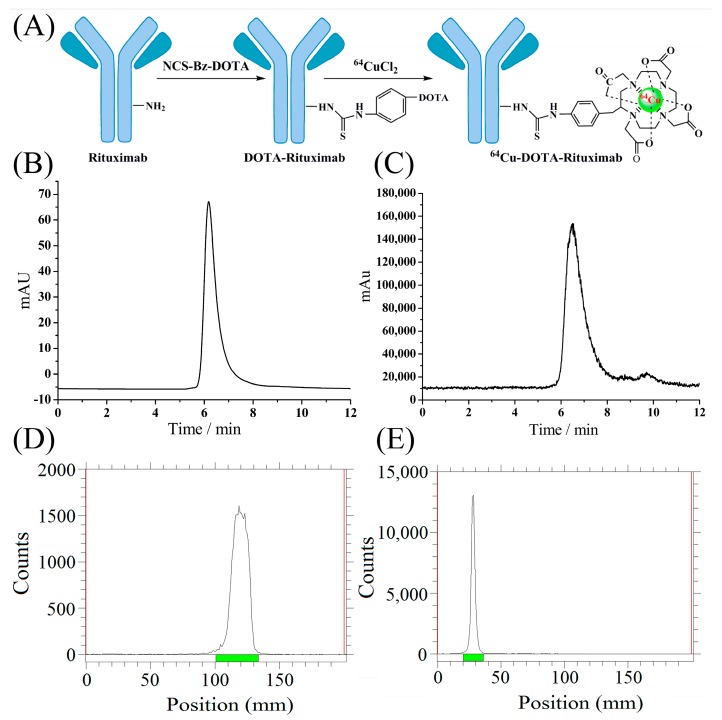
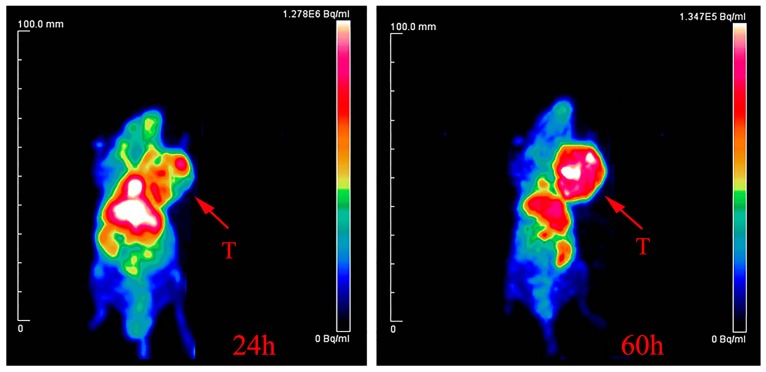
Copper-64 is a useful radioisotope for positron emission tomography (PET). Due to the wide range of applications, the demand of Cu with low metallic impurities is increasing. Here we report a simple method for the efficient production of high specific activity Cu using a cyclotron for biomedical application. We designed new equipment based on the plating of enriched Ni as the target, and used automated ion exchange chromatography to purify copper-64 efficiently after irradiation and dissolution of the target in good radiochemical and chemical yield and purity. The Cu radionuclide produced using 99.32% enriched Ni with a density of 61.4 ± 5.0 mg/cm², reaching a total radioactivity greater than 200 mCi, with specific activity up to 5.6 GBq/μmoL. It was further incorporated into modified monoclonal antibody DOTA-rituximab to synthesize Cu-DOTA-rituximab, which was used successfully for micro-PET imaging.
铜-64是一种用于正电子发射断层扫描(PET)的有用放射性同位素。由于应用范围广泛,对低金属杂质铜的需求正在增加。在此,我们报告一种使用回旋加速器高效生产高比活度铜的简单方法,用于生物医学应用。我们基于富集镍的电镀设计了新设备作为靶材,并在靶材辐照和溶解后,使用自动离子交换色谱法高效纯化铜-64,获得了良好的放射化学产率、化学产率和纯度。使用密度为61.4±5.0mg/cm²的99.32%富集镍生产的铜放射性核素,总放射性大于200mCi,比活度高达5.6GBq/μmoL。它进一步被掺入修饰的单克隆抗体DOTA-利妥昔单抗中,合成了铜-DOTA-利妥昔单抗,并成功用于微型PET成像。