Kaufman Daniel Robert, Papillon Joan, Larose Louise, Iwawaki Takao, Cybulsky Andrey V
Department of Physiology, McGill University, and McGill University Health Centre Research Institute, Montreal, QC H4A 3J1, Canada.
Department of Medicine, McGill University, and McGill University Health Centre Research Institute, Montreal, QC H4A 3J1, Canada.
Mol Biol Cell. 2017 Jun 15;28(12):1636-1651. doi: 10.1091/mbc.E16-12-0828. Epub 2017 Apr 20.
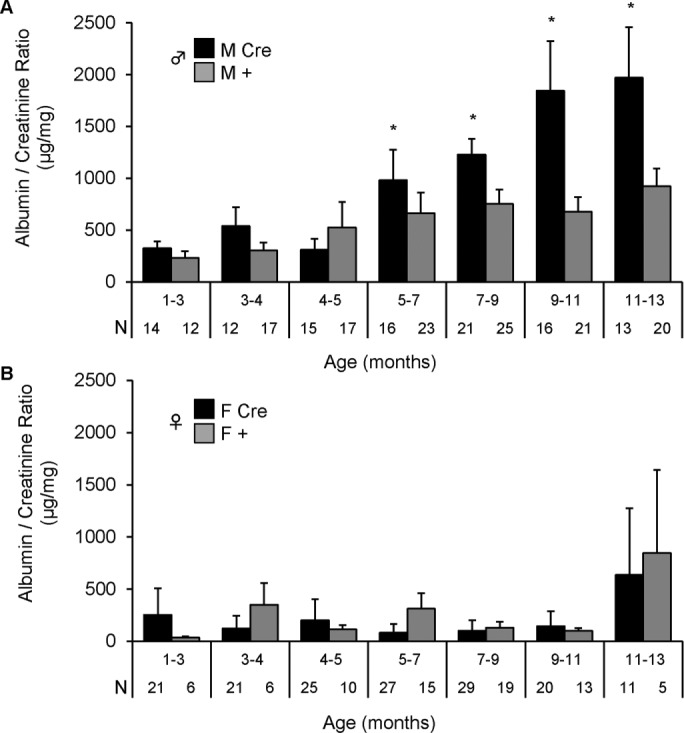
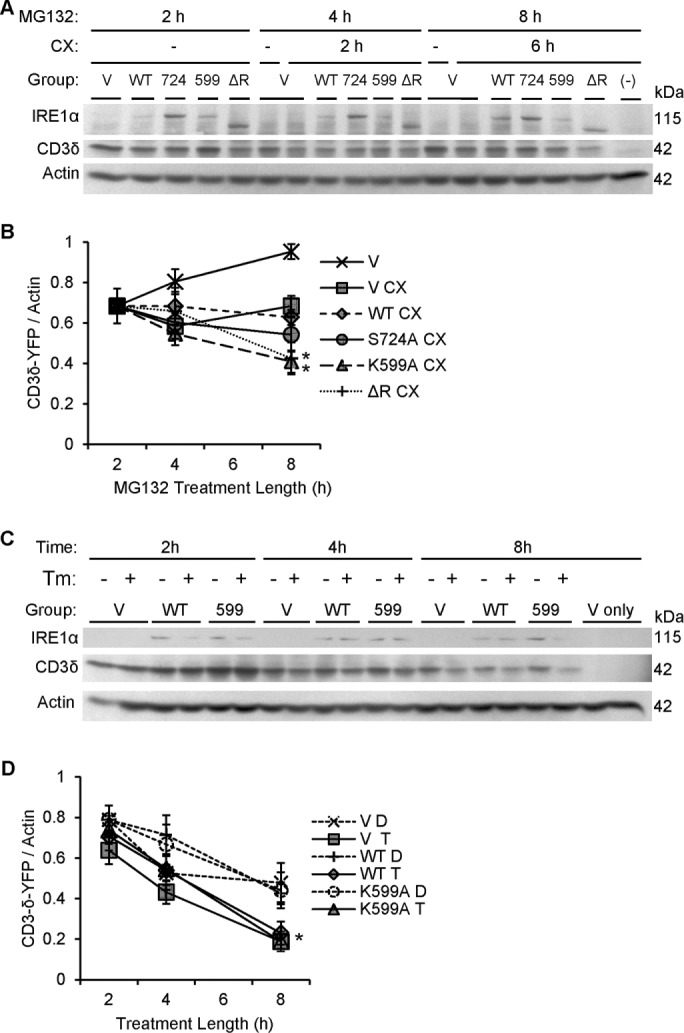
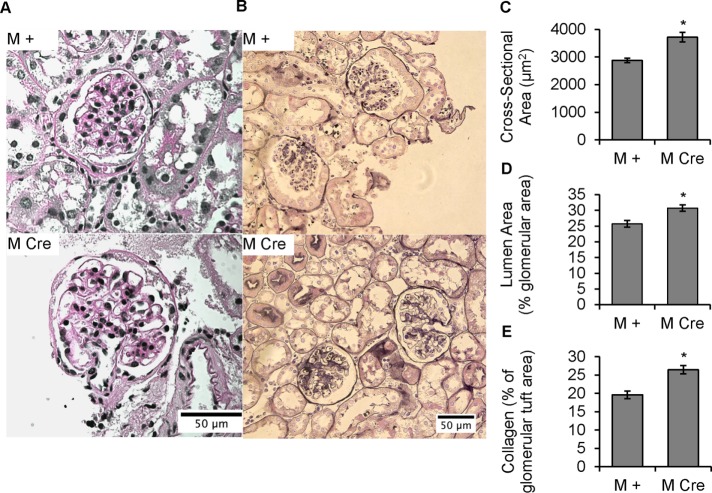
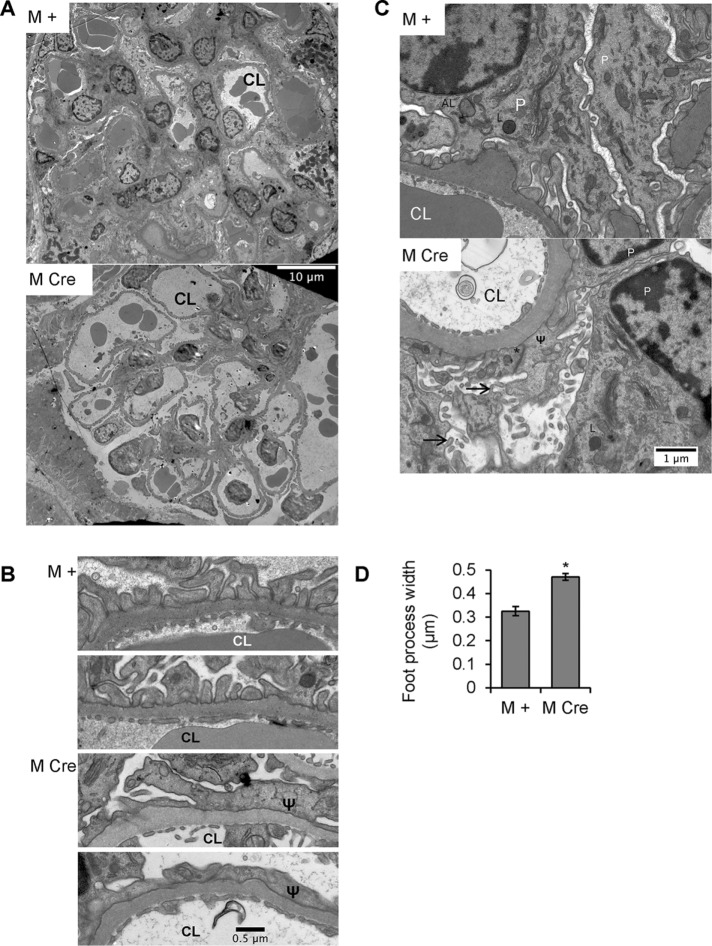
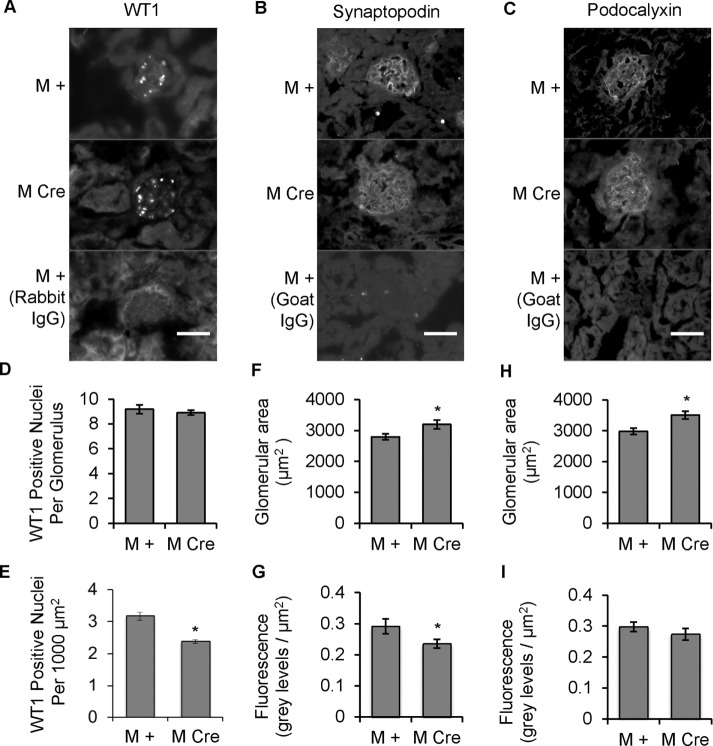
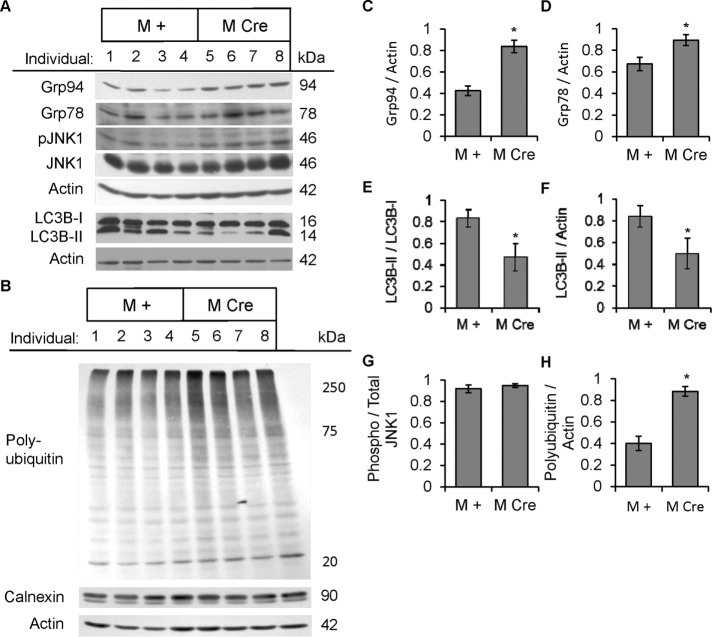
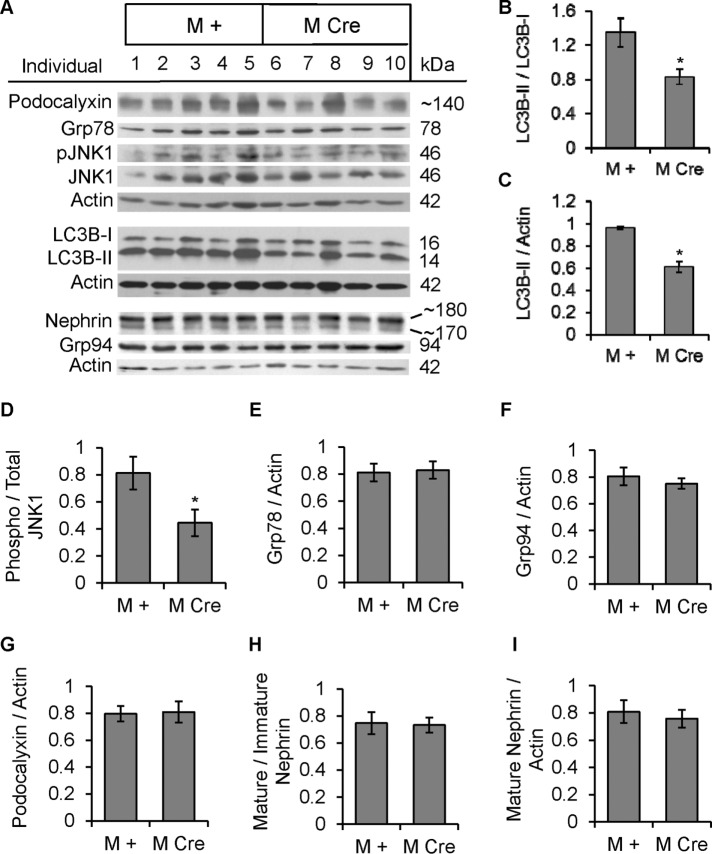
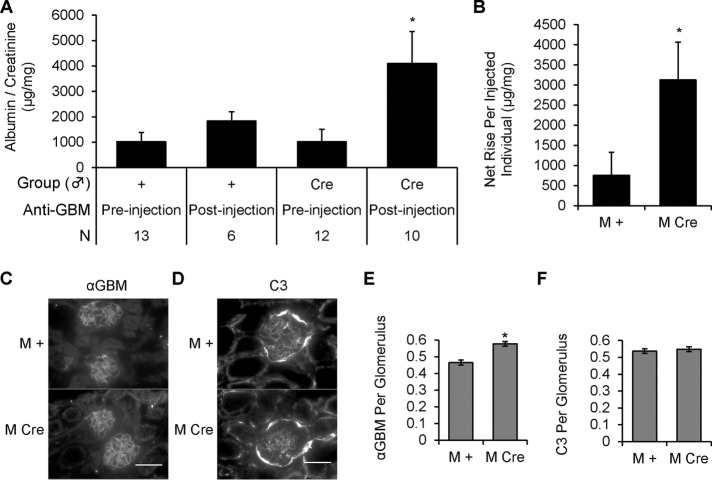
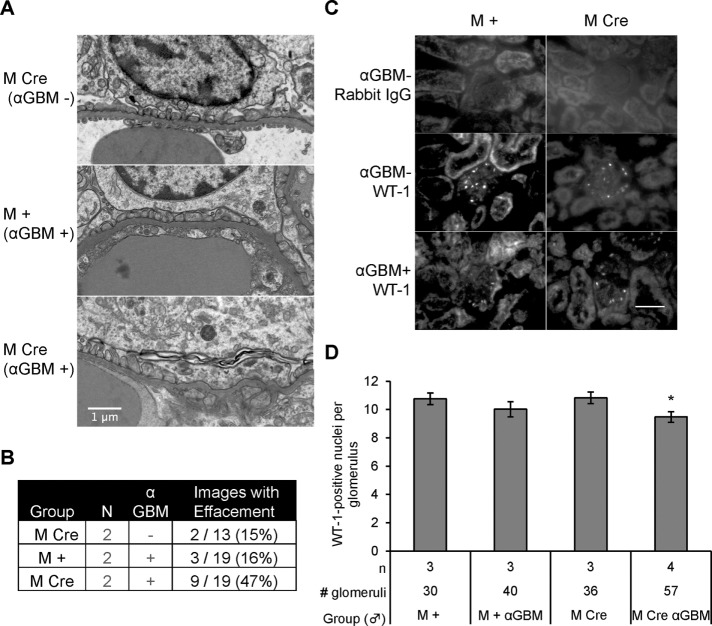
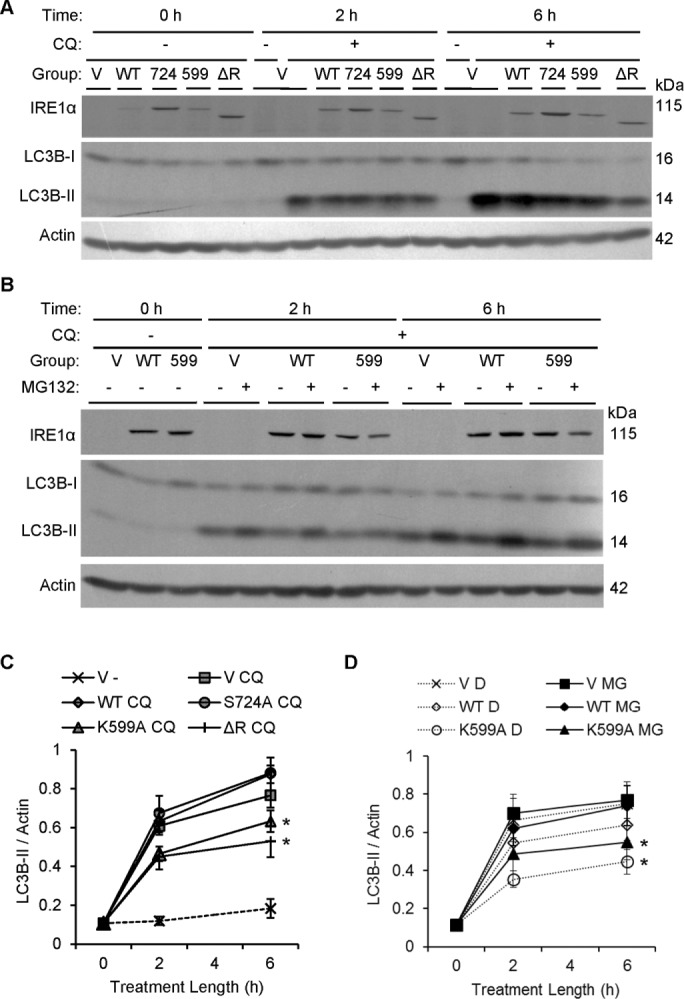
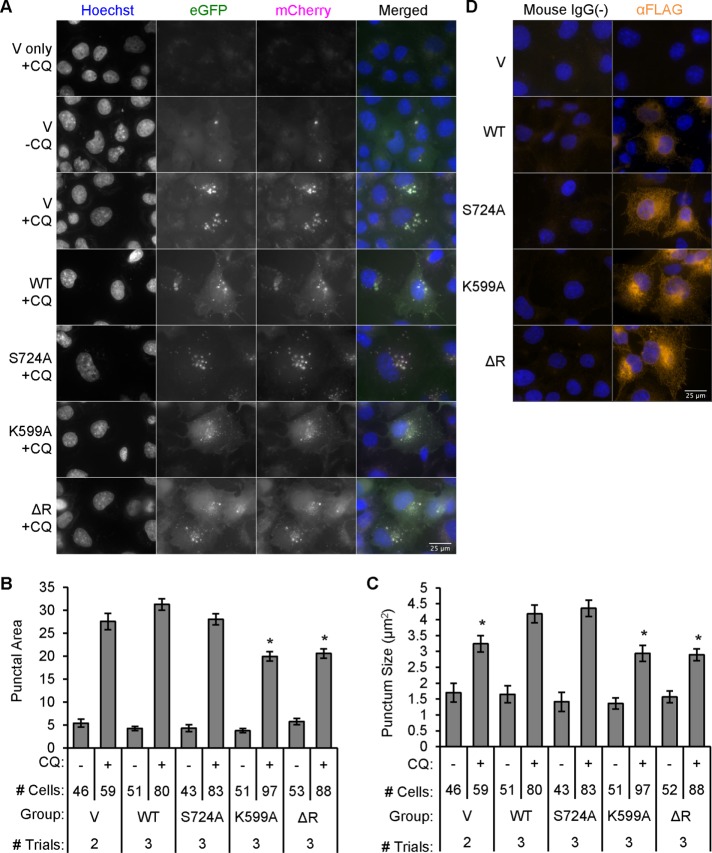
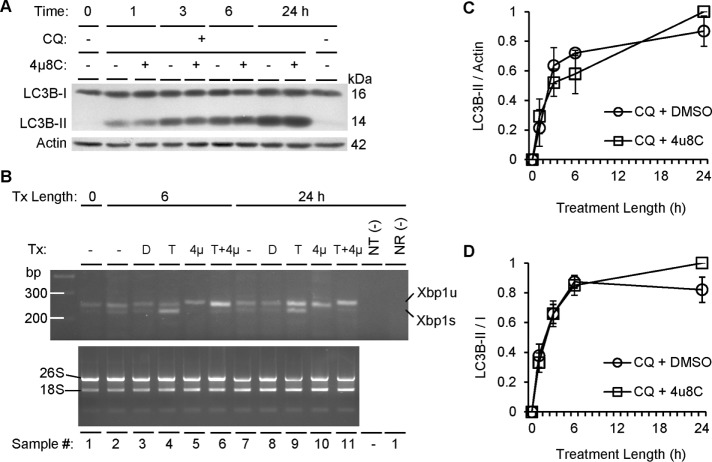
Inositol-requiring enzyme-1α (IRE1α) is an endoplasmic reticulum (ER)-transmembrane endoribonuclease kinase that plays an essential function in extraembryonic tissues during normal development and is activated during ER stress. To address the functional role of IRE1α in glomerular podocytes, we produced podocyte-specific IRE1α-deletion mice. In male mice, deletion of IRE1α in podocytes resulted in albuminuria beginning at 5 mo of age and worsening with time. Electron microscopy revealed focal podocyte foot-process effacement in 9-mo-old male IRE1α-deletion mice, as well as microvillous transformation of podocyte plasma membranes. Compared with control, glomerular cross-sectional and capillary lumenal areas were greater in deletion mice, and there was relative podocyte depletion. Levels of microtubule-associated protein 1A/1B-light chain 3 (LC3)-II expression and c-Jun N-terminal kinase-1 phosphorylation were decreased in IRE1α-deletion glomeruli, in keeping with reduced autophagy. Deletion of IRE1α exacerbated glomerular injury in anti-glomerular basement membrane nephritis. In cell culture, IRE1α dominant-negative mutants reduced the physiological (basal) accumulation of LC3B-II and the size of autophagic vacuoles but did not affect ER-associated degradation. Thus IRE1α is essential for maintaining podocyte and glomerular integrity as mice age and in glomerulonephritis. The mechanism is related, at least in part, to the maintenance of autophagy in podocytes.
肌醇需求酶1α(IRE1α)是一种内质网(ER)跨膜核糖核酸内切酶激酶,在正常发育过程中对胚外组织发挥重要作用,并在ER应激时被激活。为了探究IRE1α在肾小球足细胞中的功能作用,我们构建了足细胞特异性IRE1α缺失小鼠。在雄性小鼠中,足细胞中IRE1α的缺失导致5月龄开始出现蛋白尿,并随时间加重。电子显微镜检查显示,9月龄雄性IRE1α缺失小鼠出现局灶性足细胞足突消失,以及足细胞质膜微绒毛转化。与对照组相比,缺失小鼠的肾小球横截面积和毛细血管腔面积更大,且存在相对的足细胞减少。IRE1α缺失的肾小球中微管相关蛋白1A/1B轻链3(LC3)-II的表达水平和c-Jun氨基末端激酶-1的磷酸化水平降低,这与自噬减少一致。IRE1α的缺失加剧了抗肾小球基底膜肾炎中的肾小球损伤。在细胞培养中,IRE1α显性负性突变体减少了LC3B-II的生理性(基础)积累和自噬泡的大小,但不影响内质网相关降解。因此,随着小鼠年龄增长以及在肾小球肾炎中,IRE1α对于维持足细胞和肾小球的完整性至关重要。其机制至少部分与维持足细胞中的自噬有关。