Hong Chunlan, Schüffler Anja, Kauhl Ulrich, Cao Jingming, Wu Ching-Fen, Opatz Till, Thines Eckhard, Efferth Thomas
Department of Pharmaceutical Biology, Institute of Pharmacy and Biochemistry, Johannes Gutenberg UniversityMainz, Germany.
Institut für Biotechnologie und Wirkstoff Forschung gGmbHKaiserslautern, Germany.
Front Pharmacol. 2017 Apr 6;8:181. doi: 10.3389/fphar.2017.00181. eCollection 2017.
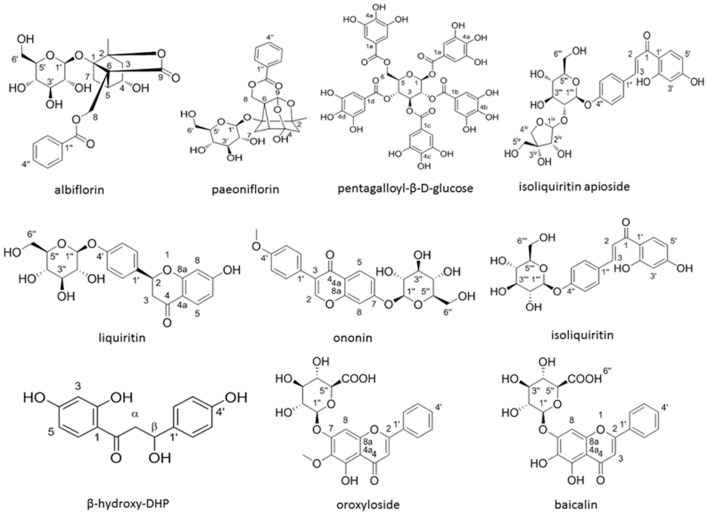
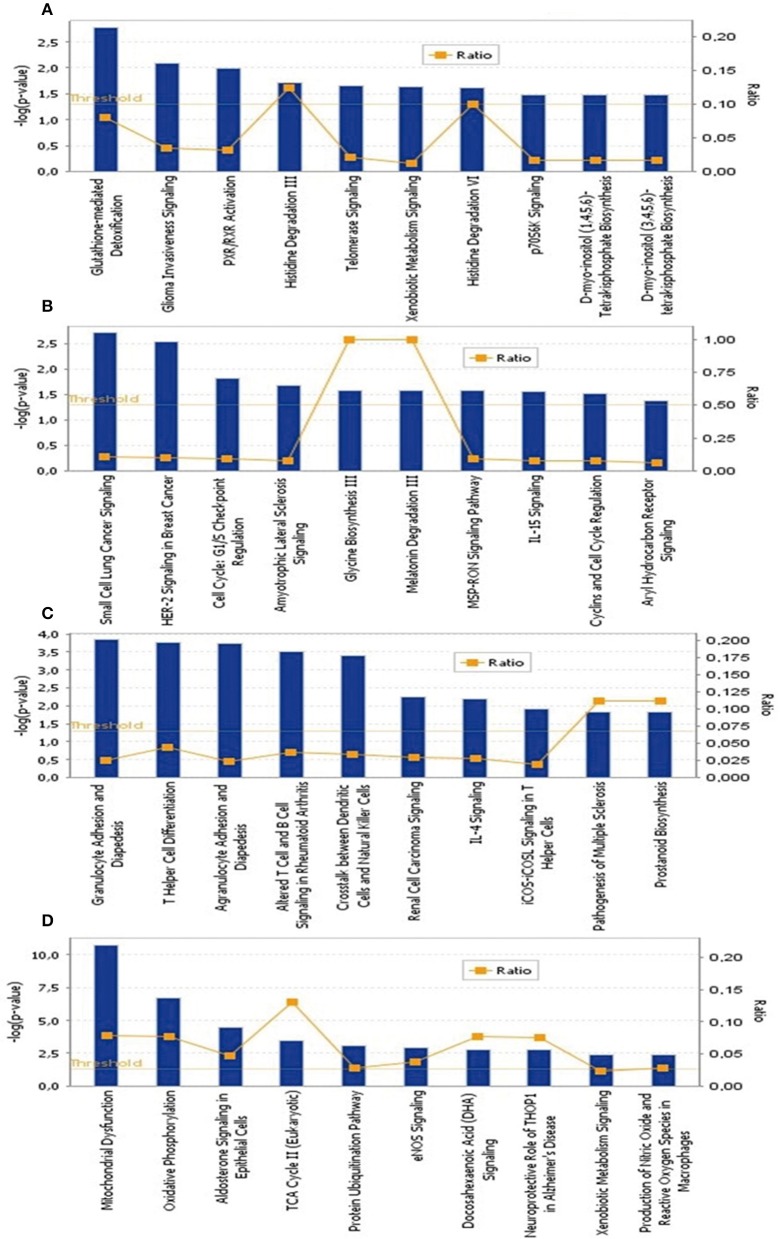
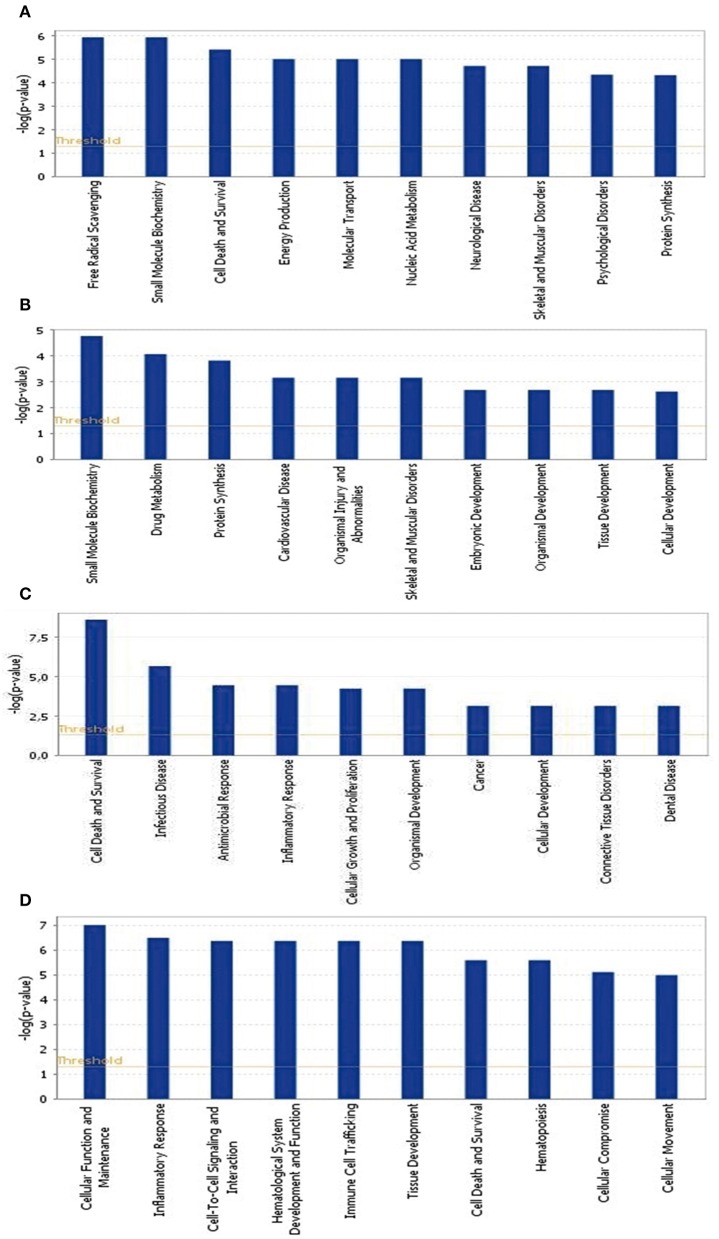
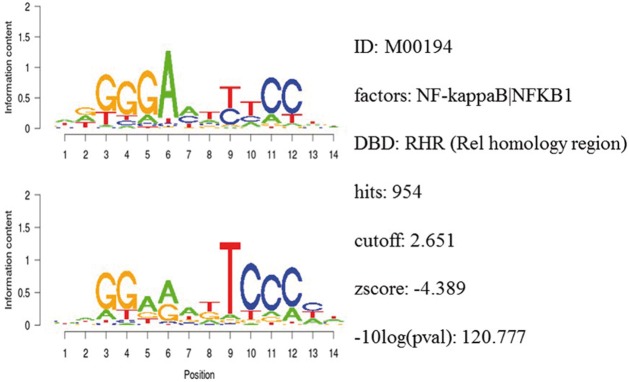
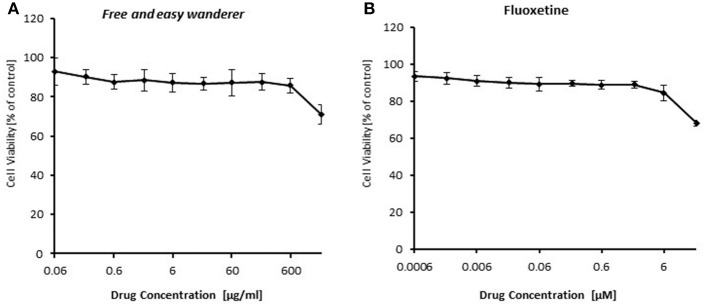
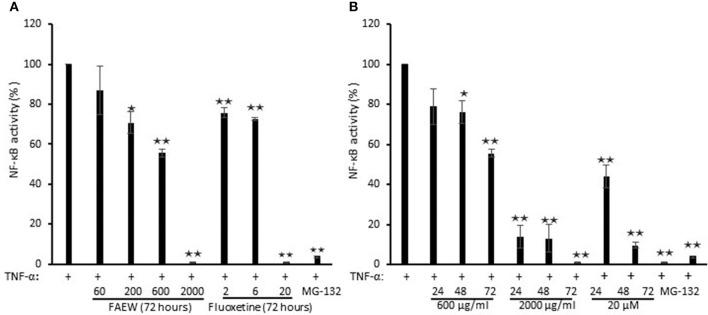
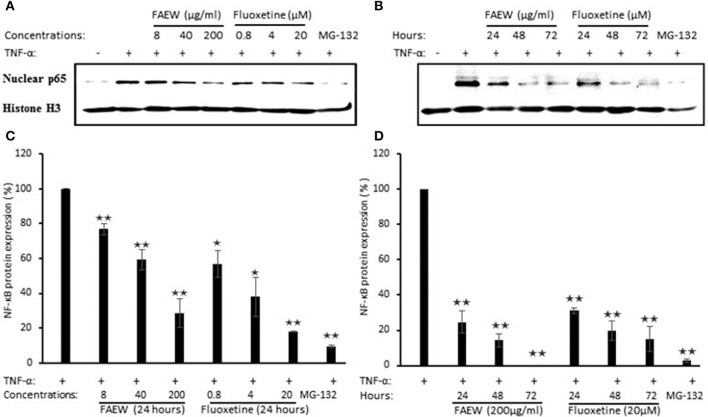
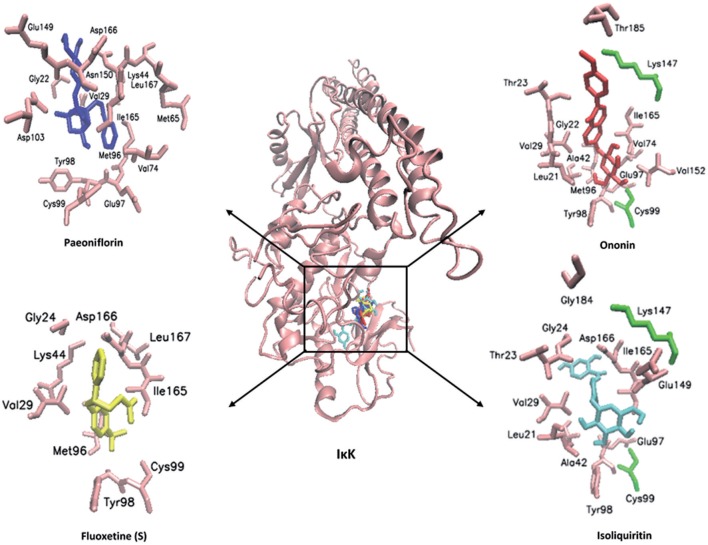
Posttraumatic stress disorder (PTSD) is a mental disorder developing after exposure to traumatic events. Although psychotherapy reveals some therapeutic effectiveness, clinically sustainable cure is still uncertain. Some Chinese herbal formulae are reported to work well clinically against mental diseases in Asian countries, but the safety and their mode of action are still unclear. In this study, we investigated the mechanisms of Chinese remedy (FAEW) on PTSD. We used a reverse pharmacology approach combining clinical data to search for mechanisms of PTSD with subsequent verification and bioinformatics techniques as follows: (1) by analyzing microarray-based transcriptome-wide mRNA expression profiling of PTSD patients; (2) by investigating the effect of FAEW and the antidepressant control drug fluoxetine on the transcription factor NF-κB using reporter cell assays and western blotting; (3) by performing molecular docking and literature data mining based on phytochemical constituents of FAEW. The results suggest an involvement of inflammatory processes mediated through NF-κB in the progression of PTSD. FAEW was non-cytotoxic and inhibited NF-κB activity and p65 protein expression. FAEW's anti-inflammatory compounds, i.e., paeoniflorin, isoliquiritin, isoliquiritin apioside and ononin were evaluated for binding to IκK and p65-RelA in a molecular docking approach. Paeoniflorin, albiflorin, baicalin, isoliquiritin and liquiritin have been reported to relieve depression or in clinical trials, which might be the active ingredients for FAEW against PTSD.
创伤后应激障碍(PTSD)是一种在接触创伤性事件后发生的精神障碍。尽管心理治疗显示出一定的治疗效果,但临床上可持续的治愈方法仍不明确。据报道,一些中药配方在亚洲国家对精神疾病有良好的临床疗效,但其安全性和作用方式仍不清楚。在本研究中,我们研究了中药方剂(FAEW)治疗PTSD的机制。我们采用反向药理学方法,结合临床数据,通过后续验证和生物信息学技术来寻找PTSD的机制,具体如下:(1)通过分析基于微阵列的PTSD患者全转录组mRNA表达谱;(2)通过报告基因细胞分析和蛋白质印迹法研究FAEW和抗抑郁对照药物氟西汀对转录因子NF-κB的影响;(3)基于FAEW的植物化学成分进行分子对接和文献数据挖掘。结果表明,NF-κB介导的炎症过程参与了PTSD的进展。FAEW无细胞毒性,可抑制NF-κB活性和p65蛋白表达。采用分子对接方法评估了FAEW的抗炎化合物,即芍药苷、异甘草素、异甘草素芹菜糖苷和芒柄花苷与IκK和p65-RelA的结合情况。芍药苷、白花芍药苷、黄芩苷、异甘草素和甘草苷在抑郁症治疗中或临床试验中已被报道具有缓解作用,可能是FAEW治疗PTSD的活性成分。