Mohamed Amira, Romano David, Saveanu Alexandru, Roche Catherine, Albertelli Manuela, Barbieri Federica, Brue Thierry, Niccoli Patricia, Delpero Jean-Robert, Garcia Stephane, Ferone Diego, Florio Tullio, Moutardier Vincent, Poizat Flora, Barlier Anne, Gerard Corinne
Aix Marseille Univ, CNRS, CRN2M, Marseille, France.
APHM, Conception Hospital, Molecular Biology Laboratory, Marseille, France.
Oncotarget. 2017 Jun 20;8(25):41044-41063. doi: 10.18632/oncotarget.17008.
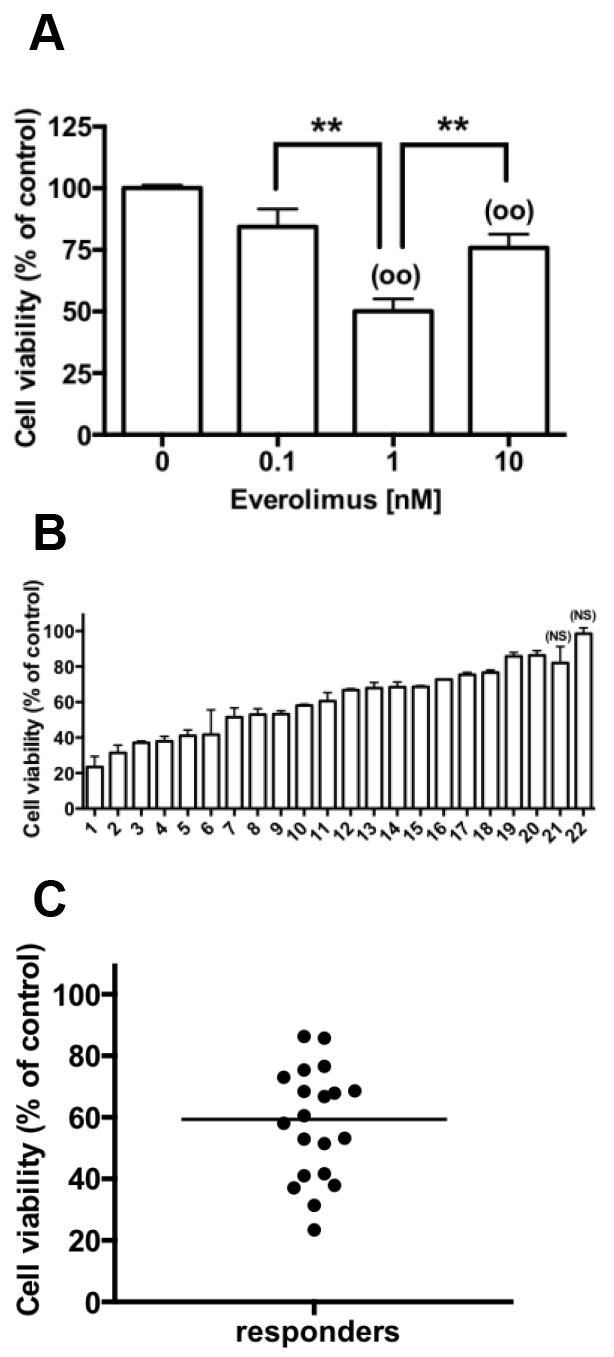
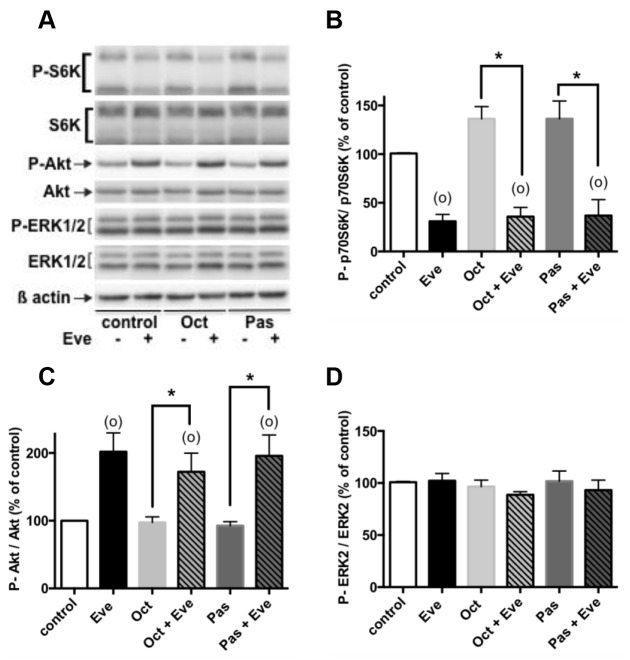
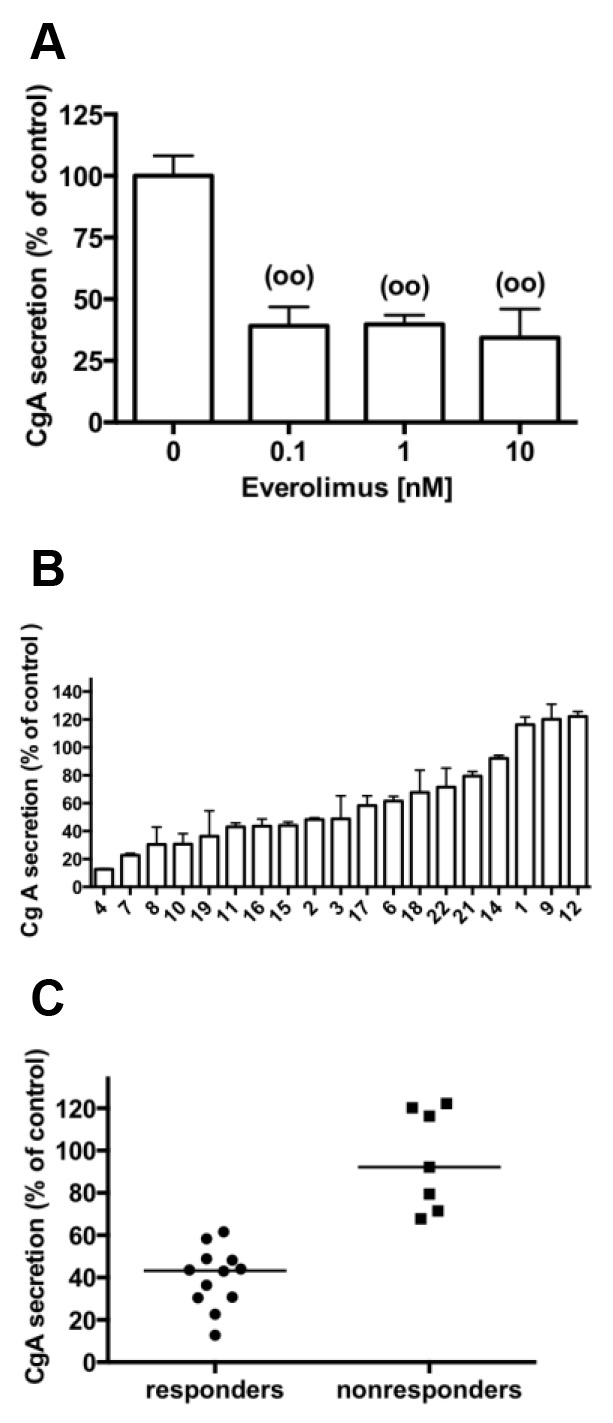
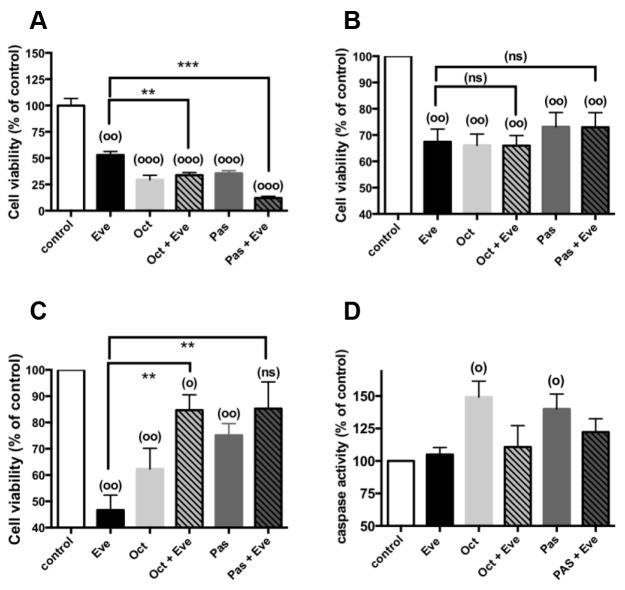
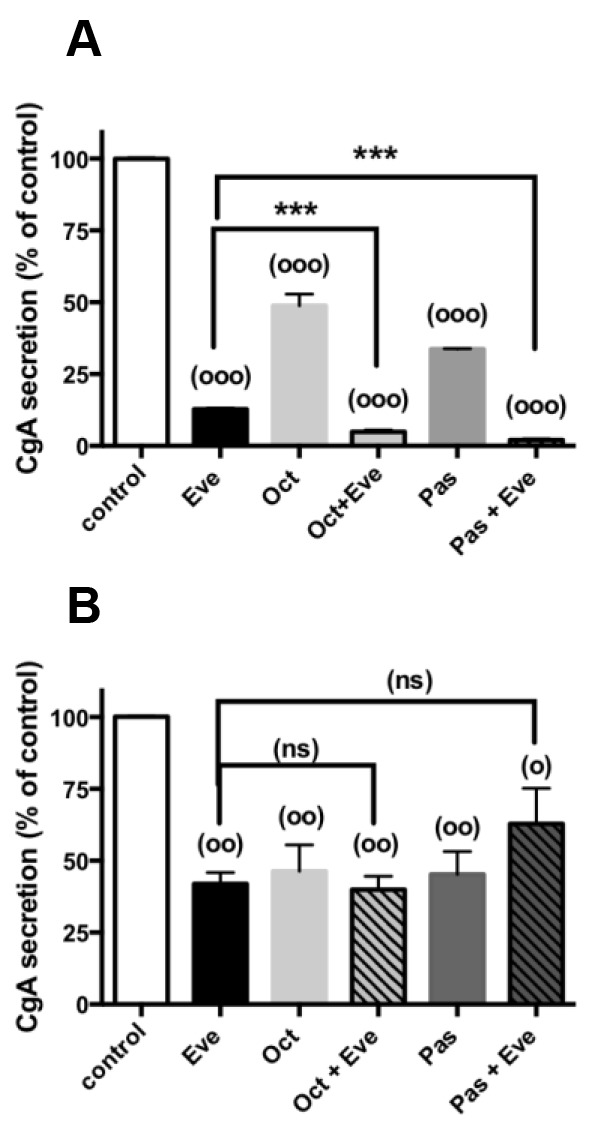
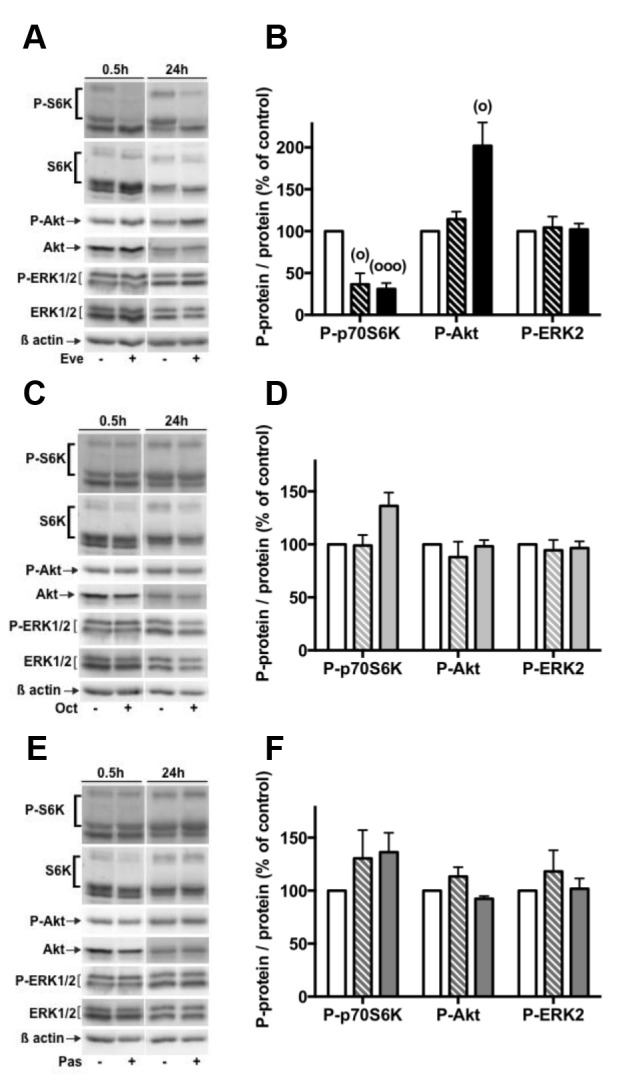
Therapeutic management of gastroenteropancreatic neuroendocrine tumors (GEP-NETs) is challenging. The mammalian target of rapamycin (mTOR) inhibitor everolimus recently obtained approval from the Food and Drug Administration for the treatment of patients with advanced pancreatic neuroendocrine tumors (pNETs). Despite its promising antitumor efficacy observed in cell lines, clinical benefit for patients is unsatisfactory. The limited therapeutic potential of everolimus in cancer cells has been attributed to Akt activation due to feedback loops relief following mTOR inhibition. Combined inhibition of Akt might then improve everolimus antitumoral effect. In this regard, the somatostatin analog (SSA) octreotide has been shown to repress the PI3K/Akt pathway in some tumor cell lines. Moreover, SSAs are well tolerated and routinely used to reduce symptoms caused by peptide release in patients carrying functional GEP-NETs. We have recently established and characterized primary cultures of human pNETs and demonstrated the anti-proliferative effects of both octreotide and pasireotide. In this study, we aim at determining the antitumor efficacy of everolimus alone or in combination with the SSAs octreotide and pasireotide in primary cultures of pNETs. Everolimus reduced both Chromogranin A secretion and cell viability and upregulated Akt activity in single treatment. Its anti-proliferative and anti-secretory efficacy was not improved combined with the SSAs. Both SSAs did not overcome everolimus-induced Akt upregulation. Furthermore, caspase-dependent apoptosis induced by SSAs was lost in combined treatments. These molecular events provide the first evidence supporting the lack of marked benefit in patients co-treated with everolimus and SSA.
胃肠胰腺神经内分泌肿瘤(GEP-NETs)的治疗管理具有挑战性。雷帕霉素的哺乳动物靶点(mTOR)抑制剂依维莫司最近获得了美国食品药品监督管理局的批准,用于治疗晚期胰腺神经内分泌肿瘤(pNETs)患者。尽管在细胞系中观察到其有前景的抗肿瘤疗效,但对患者的临床益处并不令人满意。依维莫司在癌细胞中的治疗潜力有限,这归因于mTOR抑制后反馈回路缓解导致的Akt激活。联合抑制Akt可能会提高依维莫司的抗肿瘤作用。在这方面,生长抑素类似物(SSA)奥曲肽已被证明在一些肿瘤细胞系中可抑制PI3K/Akt途径。此外,SSA耐受性良好,常用于减轻携带功能性GEP-NETs患者因肽释放引起的症状。我们最近建立并鉴定了人pNETs的原代培养物,并证明了奥曲肽和帕西瑞肽的抗增殖作用。在本研究中,我们旨在确定依维莫司单独或与SSA奥曲肽和帕西瑞肽联合在pNETs原代培养物中的抗肿瘤疗效。依维莫司单药治疗可降低嗜铬粒蛋白A分泌和细胞活力,并上调Akt活性。与SSA联合使用时,其抗增殖和抗分泌疗效并未提高。两种SSA均未克服依维莫司诱导的Akt上调。此外,联合治疗中SSA诱导的半胱天冬酶依赖性凋亡消失。这些分子事件首次证明了依维莫司和SSA联合治疗的患者缺乏显著益处。