Chen Yu-Chi, Lin Pin-Hsuan, Jou Yann-Yuh, Lin Victor Chia-Hsiang
Department of Urology, E-Da Hospital, Kaohsiung City, Taiwan.
Department of Health and Beauty, Shu-Zen College of Medicine and Management, Kaohsiung City, Taiwan.
PLoS One. 2017 May 3;12(5):e0130867. doi: 10.1371/journal.pone.0130867. eCollection 2017.
This meta-analysis was designed to assess the efficacy of the male sling and artificial urinary sphincter on treating post-prostatectomy incontinence by evaluating daily pad use, cure rate, frequency of improvement in incontinence, and quality of life.
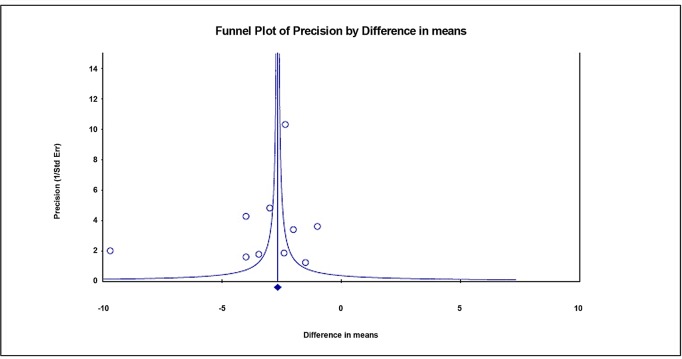
Medline, Cochrane, Google Scholar, and ClinicalTrials.gov were searched (until March 31, 2014) for studies that investigated the effectiveness of artificial urinary sphincter or sling surgical treatments for prostate cancer. The primary outcome was daily pad use before and after surgery and secondary outcomes were quality of life before and after surgery, and frequency of cures (no need to use of a pad for at least 1 day) and improvements (decreased pad usage) in incontinence after surgery.
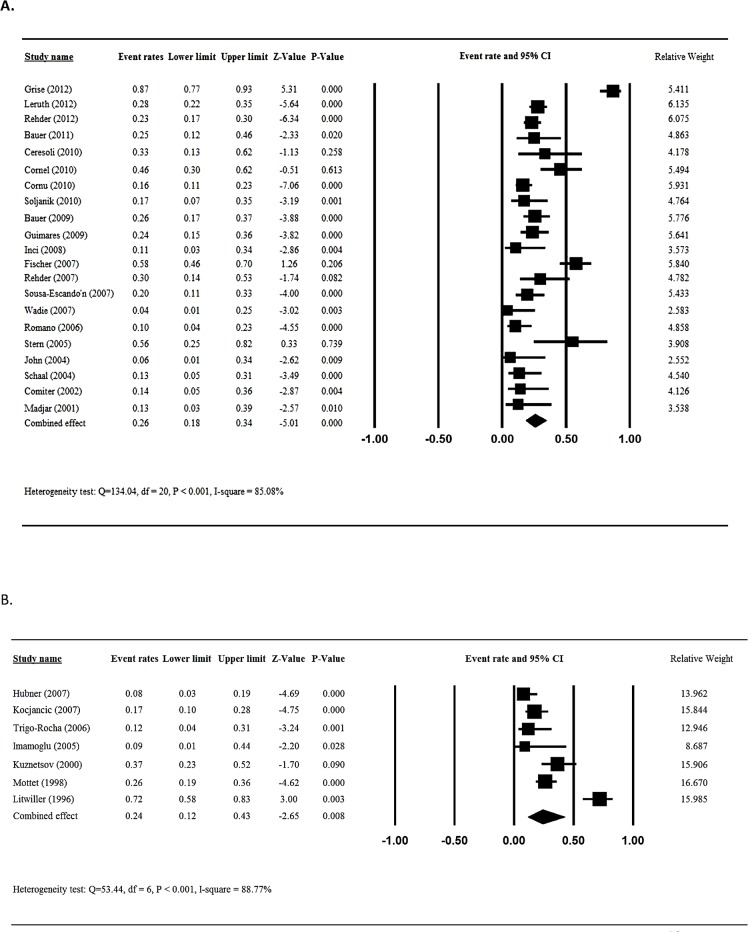
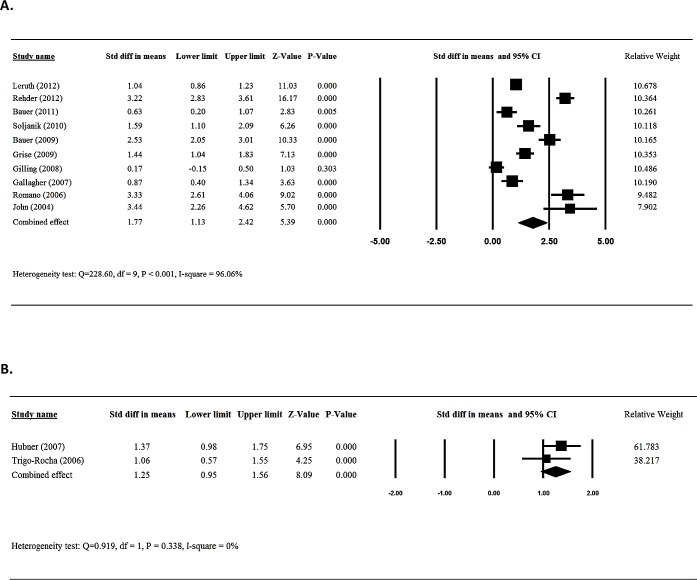
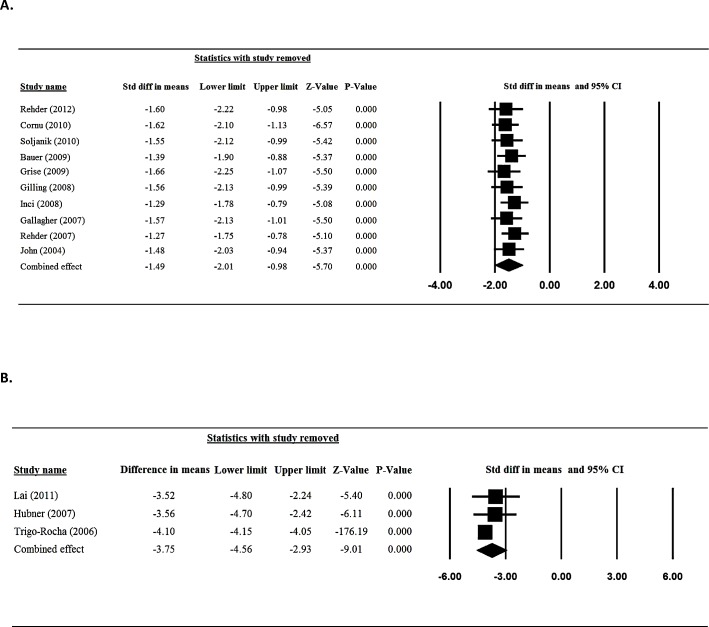
We found that that both the sling and artificial urinary sphincter significantly decreased the number of pads used per day by about 3 (P-values <0.001) and increased the quality of life compared with before intervention (P-values < 0.001). In addition, the cure rate and was around 60%. Intervention resulted in improvement in incontinence by about 25% (P < 0.001).
Our findings indicate that both sling and artificial urinary sphincter interventions are effective in reducing incontinence and improving the patient's quality of life.
本荟萃分析旨在通过评估每日尿垫使用情况、治愈率、尿失禁改善频率和生活质量,来评估男性吊带和人工尿道括约肌治疗前列腺切除术后尿失禁的疗效。
检索了Medline、Cochrane、谷歌学术和ClinicalTrials.gov(截至2014年3月31日),以查找研究人工尿道括约肌或吊带手术治疗前列腺癌有效性的研究。主要结局是手术前后的每日尿垫使用情况,次要结局是手术前后的生活质量,以及术后尿失禁的治愈率(至少1天无需使用尿垫)和改善情况(尿垫使用减少)。
我们发现,与干预前相比,吊带和人工尿道括约肌均显著减少了每日尿垫使用量约3片(P值<0.001),并提高了生活质量(P值<0.001)。此外,治愈率约为60%。干预使尿失禁改善了约25%(P<0.001)。
我们的研究结果表明,吊带和人工尿道括约肌干预在减少尿失禁和改善患者生活质量方面均有效。