Ma Lixiang, Saiyin Hexige
Department of Anatomy, Histology & Embryology, Shanghai Medical College, Shanghai, People's Republic of China.
School of Life Sciences, Fudan University, Shanghai, People's Republic of China.
PLoS One. 2017 May 5;12(5):e0176844. doi: 10.1371/journal.pone.0176844. eCollection 2017.
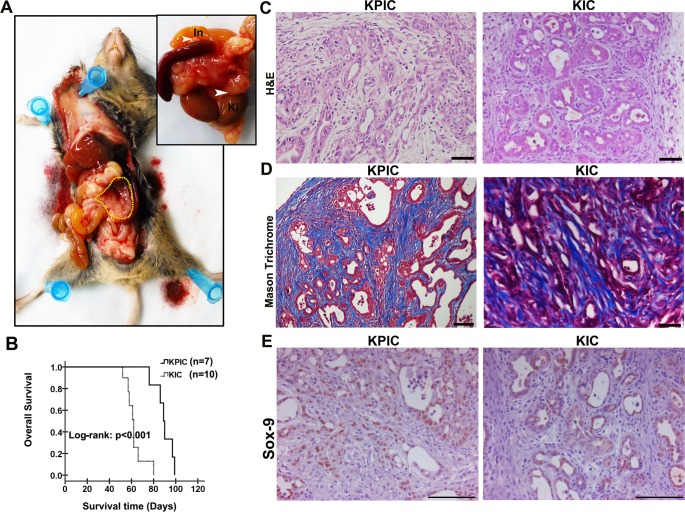
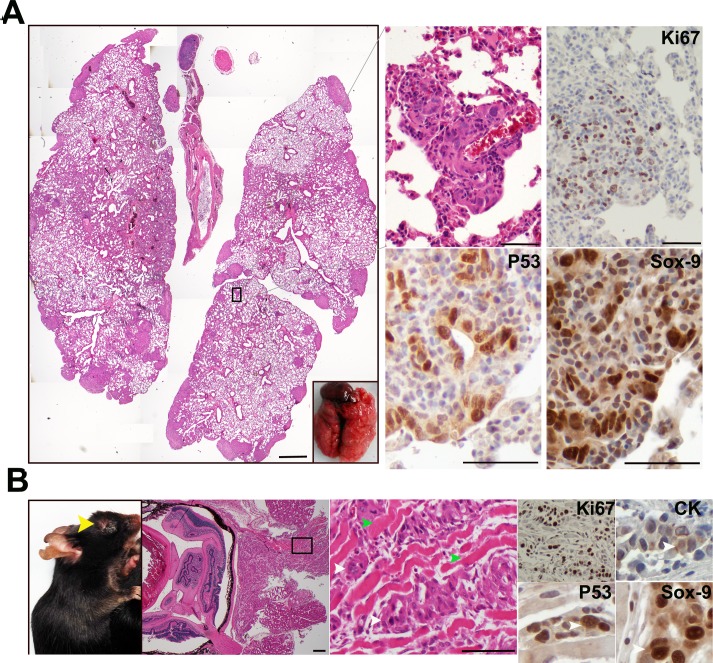
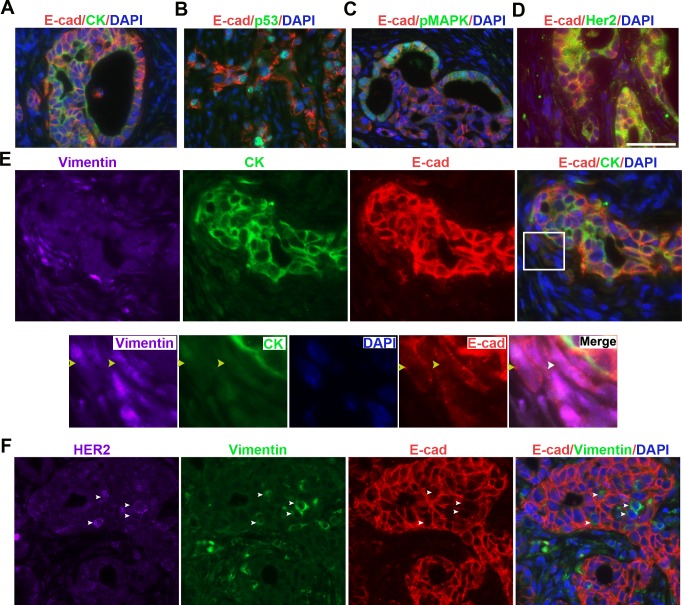
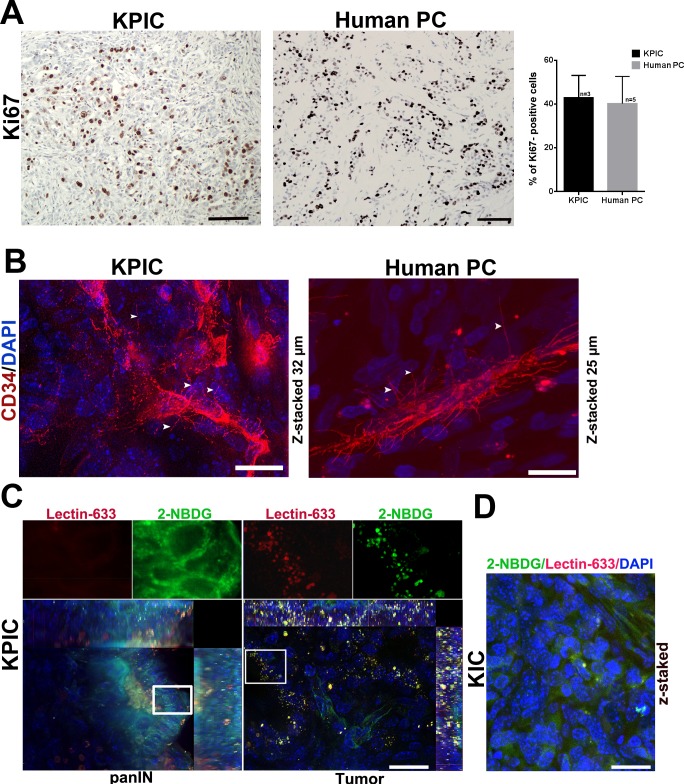
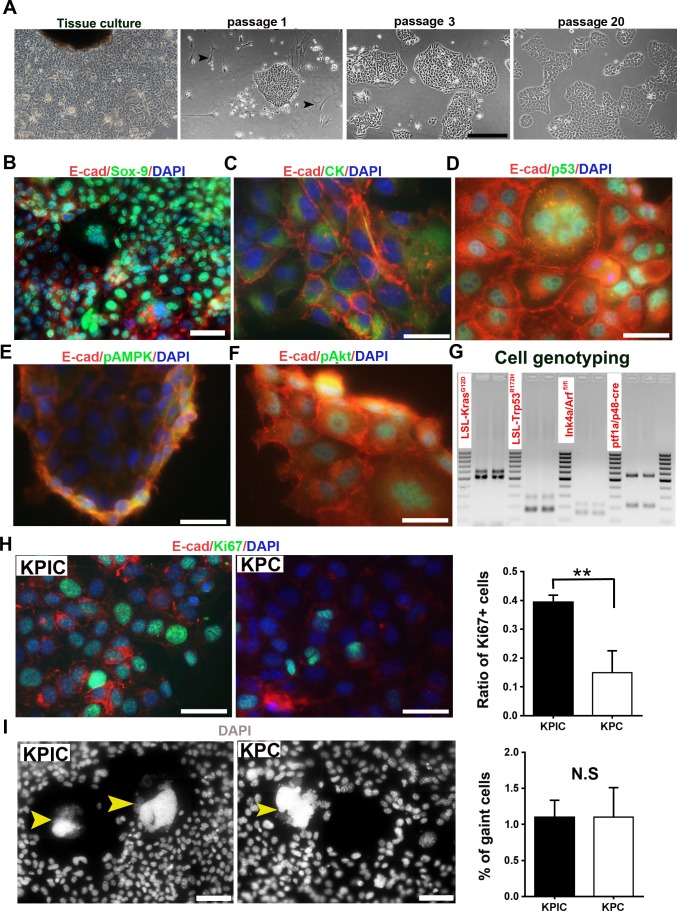
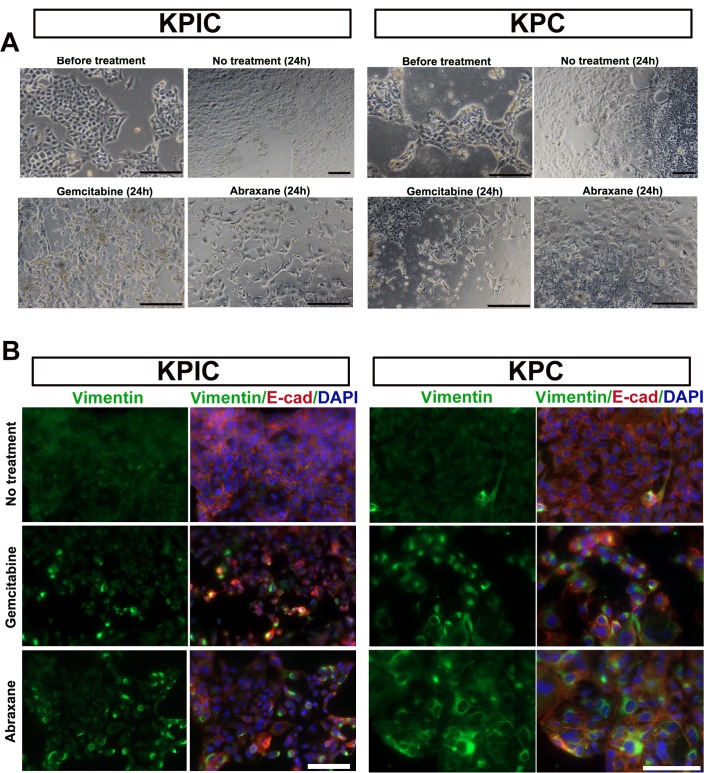
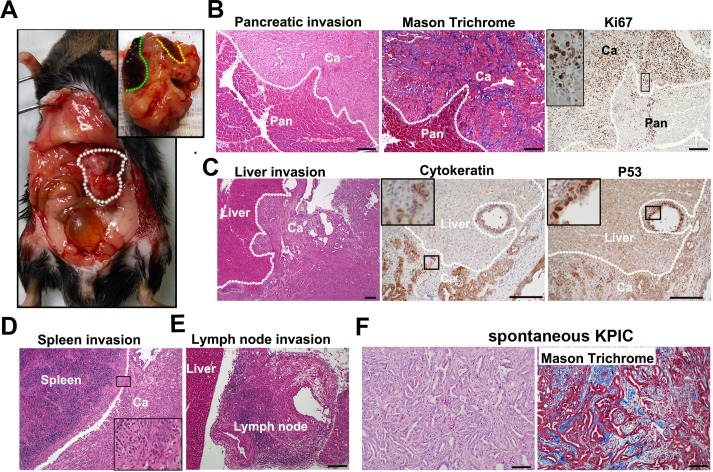
Pancreatic cancer (PC) accumulates multiple genetic mutations, including activating KRAS mutations and inactivating TP53, SMAD4 and CDKN2A mutations, during progression. The combination of mutant KRAS with a single inactivating TP53, SMAD4 or CDKN2A mutation in genetically engineered mouse models (GEMMs) showed that these mutations exert different synergistic effects in PC. However, the effect of the combination of TP53, CDKN2A and KRAS mutations on the trajectory of PC progression is unknown. Here, we report a GEMM that harbors KRAS (KrasG12D), TP53 (Trp53R172H/+), CDKN2A (Ink4flox/+) and Ptf1/p48-Cre (KPIC) mutations. Histopathology showed that KPIC mice developed adenocarcinoma that strongly resembled the pathology of human PC, characterized by rich desmoplastic stroma and low microvascularity. The median survival of KPIC mice was longer than that of LSL-KrasG12D; Ink4flox/flox; Ptf1/p48-Cre mice (KIC) (89 vs 62 days) and shorter than that of KRAS (KrasG12D), TP53 (Trp53R172H/+) and Ptf1/p48-Cre (KPC) mice. Moreover, the neoplastic cells of KPIC mice were epithelial, highly proliferative tumor cells that exhibited ERK and MAPK pathway activation and high glucose uptake. Isolated neoplastic cells from spontaneous KPIC tumors showed all molecular profiles and cellular behaviors of spontaneous KPIC tumors, including epithelial-mesenchymal transition (EMT) under drug stress as well as tumorigenic, metastatic and invasive abilities in immunocompetent mice. Furthermore, orthotopic and metastatic tumors of KPIC cells almost recapitulated the pathology of spontaneous KPIC tumors. These data show that in addition to spontaneous KPIC tumors, KPIC cells are a valuable tool for preclinical studies of locally invasive and metastatic PC.
胰腺癌(PC)在进展过程中会积累多种基因突变,包括激活型KRAS突变以及失活型TP53、SMAD4和CDKN2A突变。在基因工程小鼠模型(GEMMs)中,突变型KRAS与单个失活型TP53、SMAD4或CDKN2A突变的组合表明,这些突变在胰腺癌中发挥不同的协同作用。然而,TP53、CDKN2A和KRAS突变组合对胰腺癌进展轨迹的影响尚不清楚。在此,我们报告一种携带KRAS(KrasG12D)、TP53(Trp53R172H/+)、CDKN2A(Ink4flox/+)和Ptf1/p48-Cre(KPIC)突变的基因工程小鼠模型。组织病理学显示,KPIC小鼠发生的腺癌与人类胰腺癌的病理特征极为相似,其特点是富含促结缔组织增生性基质且微血管密度低。KPIC小鼠的中位生存期长于LSL-KrasG12D;Ink4flox/flox;Ptf1/p48-Cre小鼠(KIC)(89天对62天),短于KRAS(KrasG12D)、TP53(Trp53R172H/+)和Ptf1/p48-Cre(KPC)小鼠。此外,KPIC小鼠的肿瘤细胞为上皮性、高增殖性肿瘤细胞,表现出ERK和MAPK通路激活以及高葡萄糖摄取。从自发的KPIC肿瘤中分离出的肿瘤细胞表现出自发的KPIC肿瘤的所有分子特征和细胞行为,包括在药物应激下的上皮-间质转化(EMT)以及在免疫健全小鼠中的致瘤、转移和侵袭能力。此外,KPIC细胞的原位肿瘤和转移瘤几乎重现了自发的KPIC肿瘤的病理特征。这些数据表明,除了自发的KPIC肿瘤外,KPIC细胞是局部侵袭性和转移性胰腺癌临床前研究的宝贵工具。