Karadjian Gregory, Fercoq Frédéric, Pionnier Nicolas, Vallarino-Lhermitte Nathaly, Lefoulon Emilie, Nieguitsila Adélaïde, Specht Sabine, Carlin Leo M, Martin Coralie
Unité Molécules de Communication et Adaptation des Microorganismes (MCAM, UMR 7245), Sorbonne Universités, Muséum national d'Histoire naturelle, CNRS, Paris, France.
Institute for Medical Microbiology, Immunology & Parasitology (IMMIP), University Hospital of Bonn, Bonn, Germany.
PLoS Negl Trop Dis. 2017 May 9;11(5):e0005596. doi: 10.1371/journal.pntd.0005596. eCollection 2017 May.
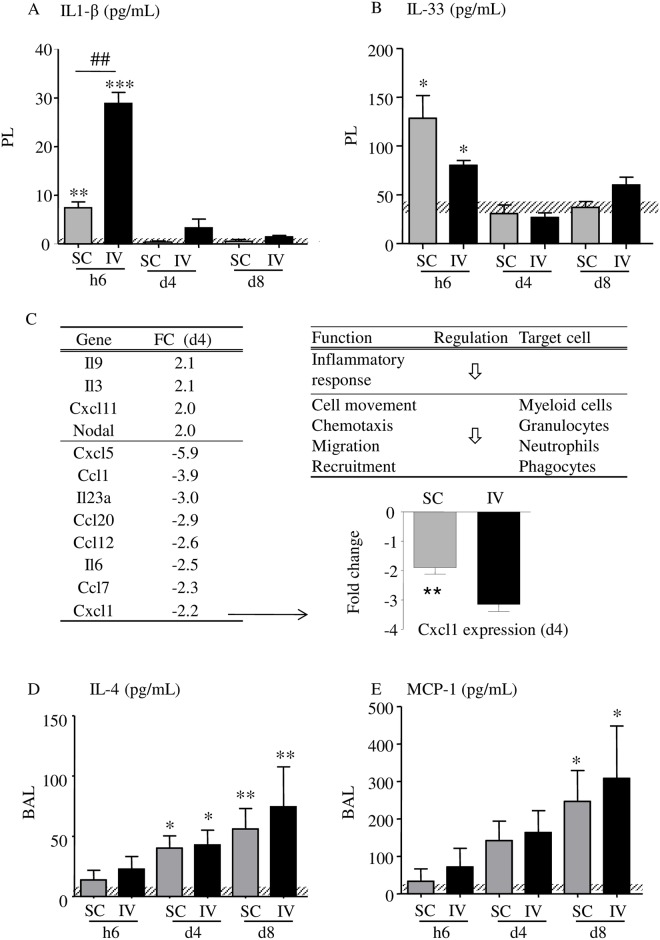
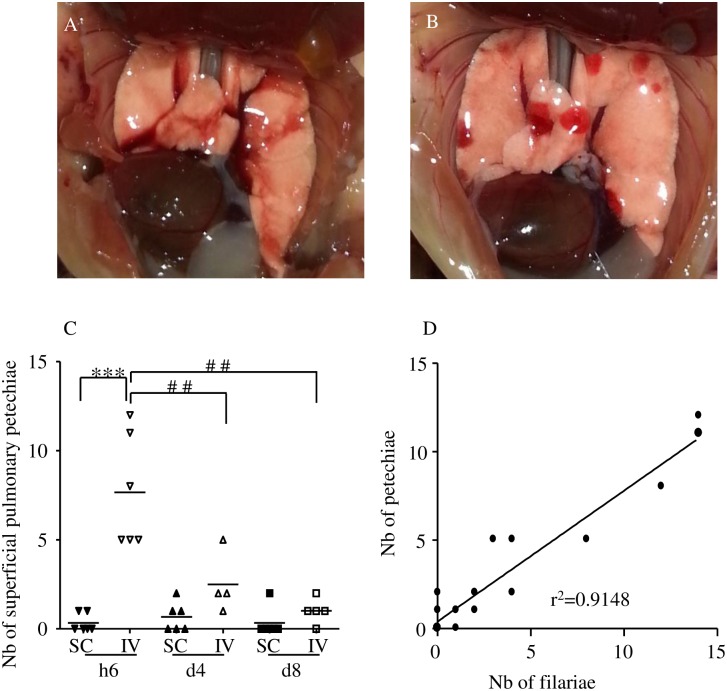
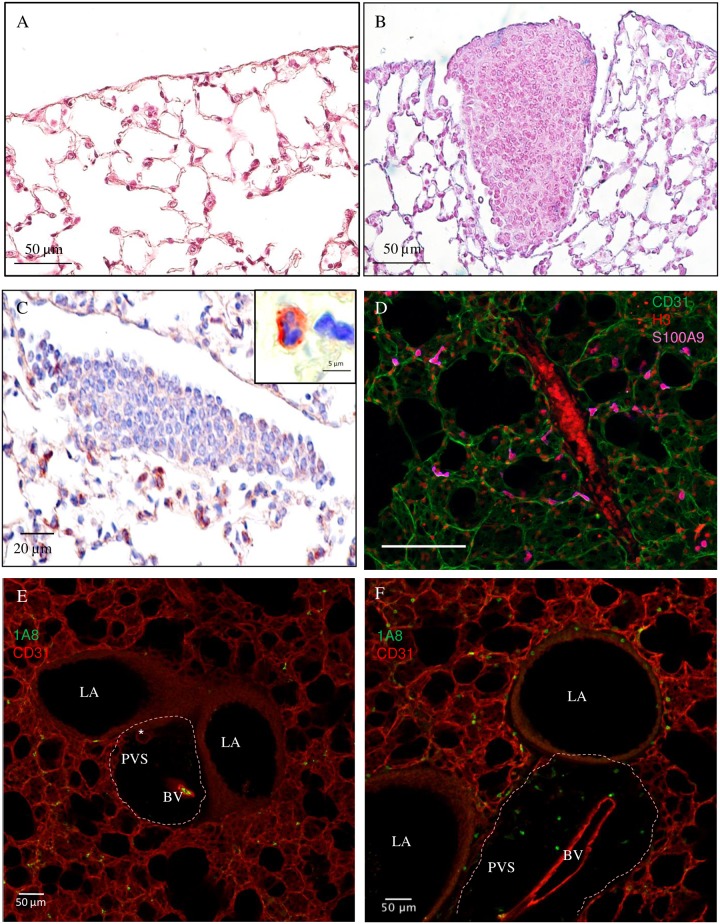
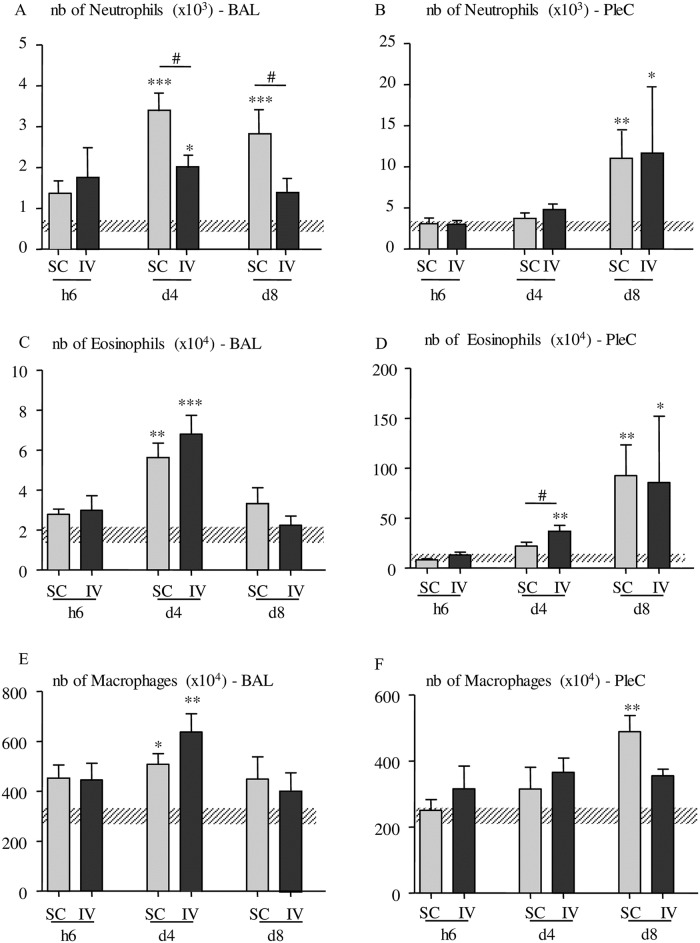
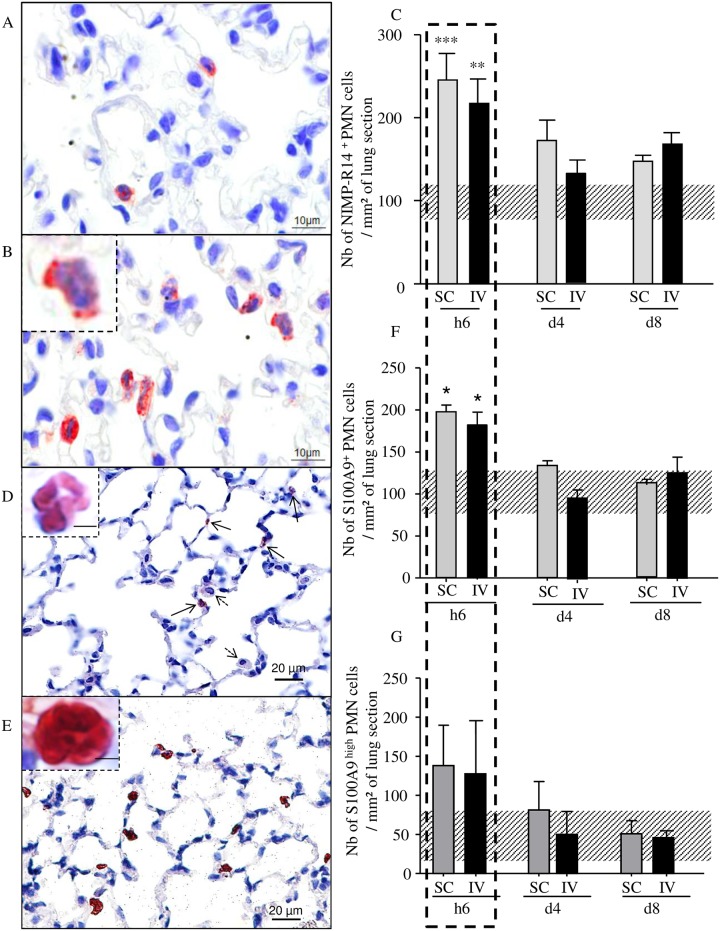
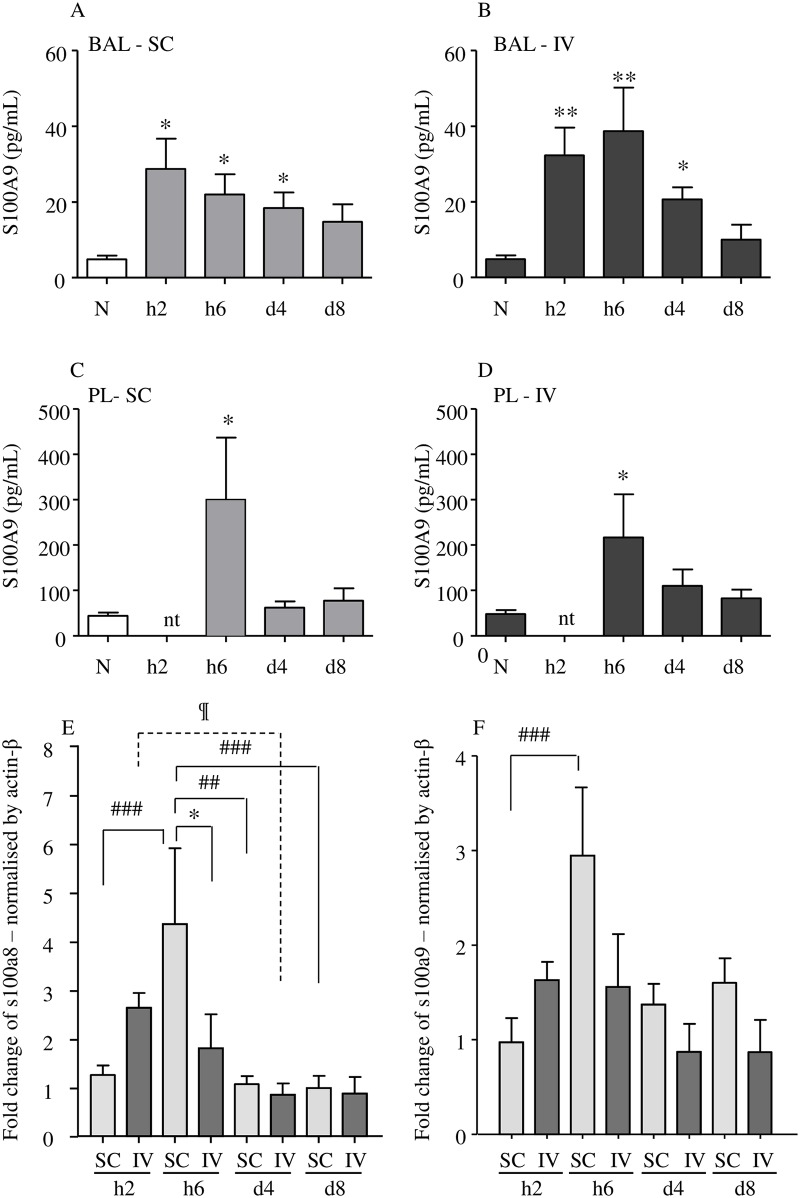
Filarial infections are tropical diseases caused by nematodes of the Onchocercidae family such as Mansonella perstans. The infective larvae (L3) are transmitted into the skin of vertebrate hosts by blood-feeding vectors. Many filarial species settle in the serous cavities including M. perstans in humans and L. sigmodontis, a well-established model of filariasis in mice. L. sigmodontis L3 migrate to the pleural cavity where they moult into L4 around day 9 and into male and female adult worms around day 30. Little is known of the early phase of the parasite life cycle, after the L3 is inoculated in the dermis by the vector and enters the afferent lymphatic vessels and before the moulting processes in the pleural cavity. Here we reveal a pulmonary phase associated with lung damage characterized by haemorrhages and granulomas suggesting L3 reach the lung via pulmonary capillaries and damage the endothelium and parenchyma by crossing them to enter the pleural cavity. This study also provides evidence for a transient inflammation in the lung characterized by a very early recruitment of neutrophils associated with high expression levels of S100A8 and S100A9 proteins.
丝虫感染是由盘尾丝虫科的线虫引起的热带疾病,如常现曼森线虫。感染性幼虫(L3)通过吸血媒介传播到脊椎动物宿主的皮肤中。许多丝虫种类定居在浆膜腔中,包括人体内的常现曼森线虫以及丝虫病小鼠的成熟模型——Sigmodontis丝虫。Sigmodontis丝虫的L3迁移到胸腔,在第9天左右蜕变为L4,并在第30天左右发育为雌雄成虫。在L3被媒介接种到真皮层并进入输入淋巴管后,以及在胸腔蜕皮过程之前,寄生虫生命周期的早期阶段鲜为人知。在这里,我们揭示了一个与肺损伤相关的肺部阶段,其特征是出血和肉芽肿,这表明L3通过肺毛细血管到达肺部,并通过穿过它们进入胸腔来损伤内皮和实质。这项研究还为肺部短暂炎症提供了证据,其特征是中性粒细胞的早期募集与S100A8和S100A9蛋白的高表达水平相关。