Hempel Casper, Wang Christian William, Kurtzhals Jørgen Anders Lindholm, Staalsø Trine
Department of Clinical Microbiology, Centre for Medical Parasitology, Copenhagen University Hospital, Copenhagen, Denmark.
Department of Immunology and Microbiology, Faculty of Health and Medical Sciences, University of Copenhagen, Copenhagen, Denmark.
Malar J. 2017 May 10;16(1):193. doi: 10.1186/s12936-017-1844-6.
Plasmodium falciparum-infected erythrocytes sequester in the microcirculation due to interaction between surface-expressed parasite proteins and endothelial receptors. Endothelial cells are covered in a carbohydrate-rich glycocalyx that shields against undesired leukocyte adhesion. It was investigated if the cellular glycocalyx affects the binding of P. falciparum-infected erythrocytes to CD36 in vitro.
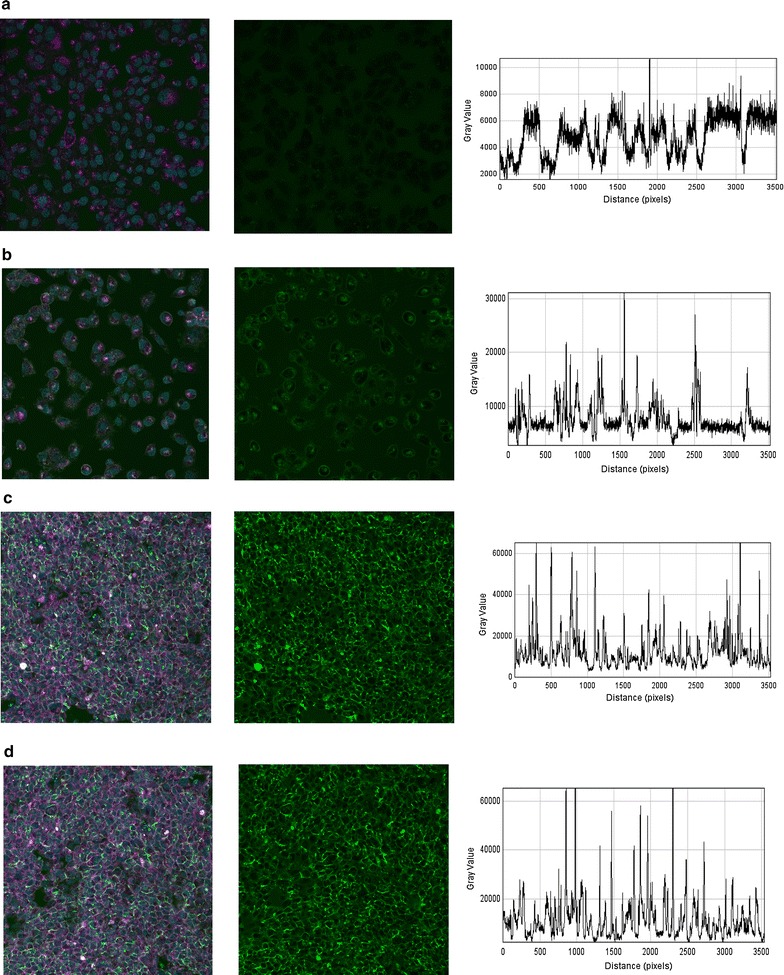
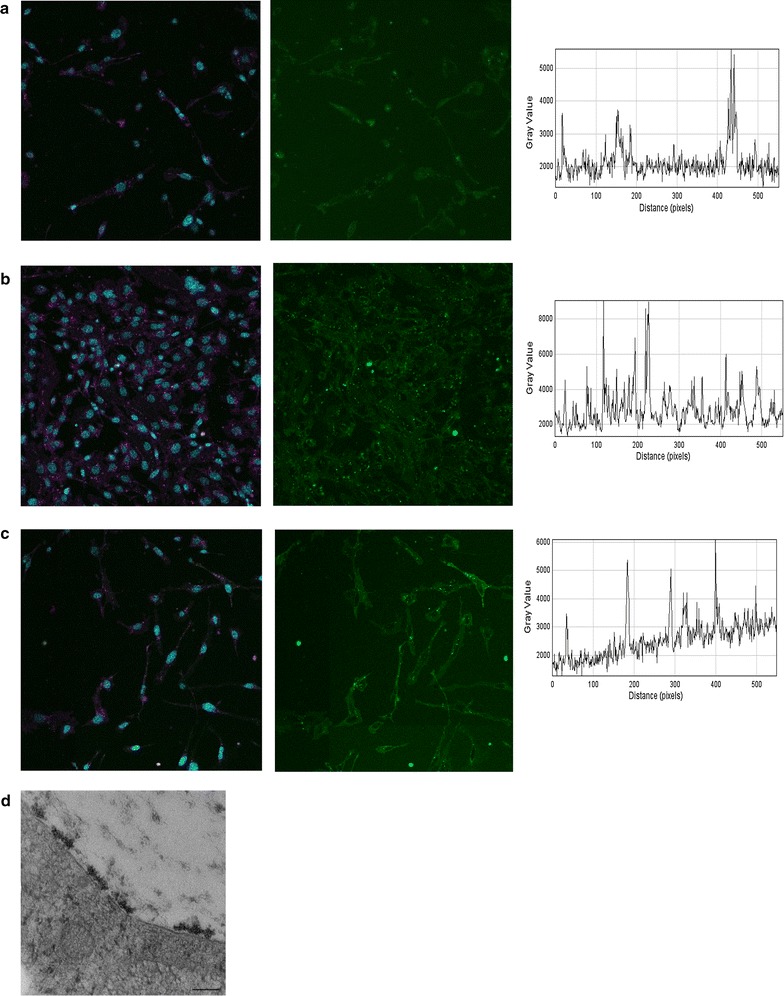
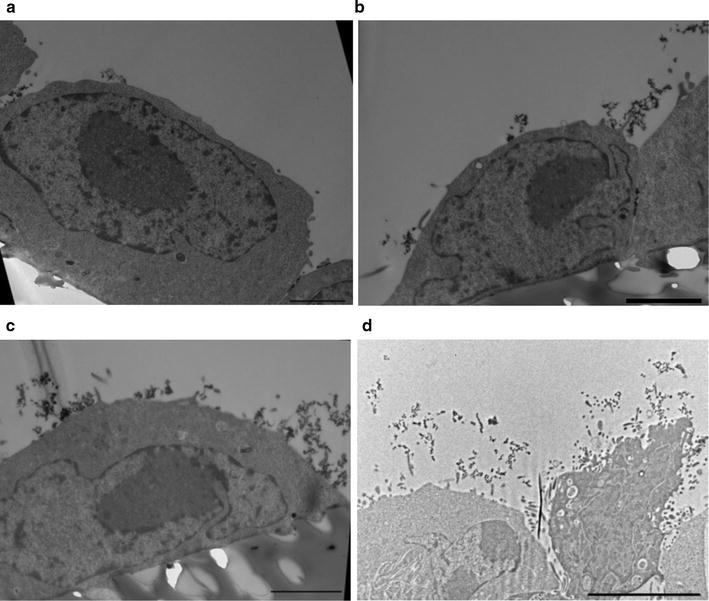
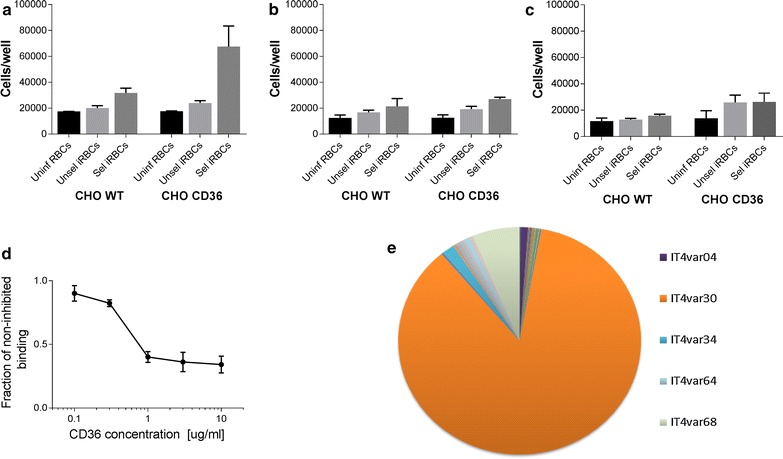
Glycocalyx growth was followed in vitro by using azido sugars and cationized ferritin detecting O-glycoproteins and negatively charged proteoglycans, respectively. P. falciparum (clone FCR3/IT) was selected on Chinese hamster ovary (CHO) cells transfected with human CD36. Cytoadhesion to CHO CD36 at 1-4 days after seeding was quantified by using a static binding assay.
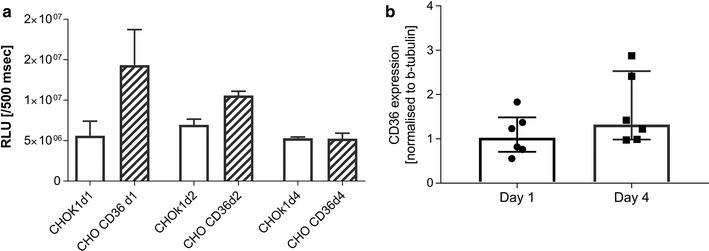
The glycocalyx thickness of CHO cells increased during 4 days in culture as assessed by metabolic labelling of glycans with azido sugars and with electron microscopy studying the binding of cationized ferritin to cell surfaces. The functional importance of this process was addressed in binding assays by using CHO cells transfected with CD36. In parallel with the maturation of the glycocalyx, antibody-binding to CD36 was inhibited, despite stable expression of CD36. P. falciparum selected for CD36-binding recognized CD36 on CHO cells on the first day in culture, but the binding was lost after 2-4 days.
The endothelial glycocalyx affects parasite cytoadhesion in vitro, an effect that has previously been ignored. The previously reported loss of glycocalyx during experimental malaria may play an important role in the pathogenesis of malaria complications by allowing the close interaction between infected erythrocytes and endothelial receptors.
由于表面表达的寄生虫蛋白与内皮受体之间的相互作用,恶性疟原虫感染的红细胞会在微循环中滞留。内皮细胞覆盖着富含碳水化合物的糖萼,可防止不必要的白细胞黏附。研究了细胞糖萼是否在体外影响恶性疟原虫感染的红细胞与CD36的结合。
通过使用叠氮糖和阳离子铁蛋白分别检测O-糖蛋白和带负电荷的蛋白聚糖,在体外跟踪糖萼的生长。在中国仓鼠卵巢(CHO)细胞上选择转染了人CD36的恶性疟原虫(克隆FCR3/IT)。接种后1至4天,通过静态结合试验对与CHO CD36的细胞黏附进行定量。
通过用叠氮糖对聚糖进行代谢标记以及用电子显微镜研究阳离子铁蛋白与细胞表面的结合,评估了CHO细胞在培养4天期间糖萼厚度增加。通过使用转染了CD36的CHO细胞进行结合试验,探讨了这一过程的功能重要性。与糖萼的成熟同时,尽管CD36稳定表达,但与CD36的抗体结合受到抑制。选择用于与CD36结合的恶性疟原虫在培养的第一天识别CHO细胞上的CD36,但在2至4天后结合丧失。
内皮糖萼在体外影响寄生虫细胞黏附,这一效应此前一直被忽视。先前报道的实验性疟疾期间糖萼的丧失可能通过允许感染的红细胞与内皮受体紧密相互作用,在疟疾并发症的发病机制中起重要作用。