Central Laboratory Unit, Qatar University, P. O. Box: 2713, Doha, Qatar.
Chemical Engineering Department, Faculty of Engineering, El-Minia University, El-Minia, Egypt.
Sci Rep. 2017 May 11;7(1):1738. doi: 10.1038/s41598-017-01463-3.
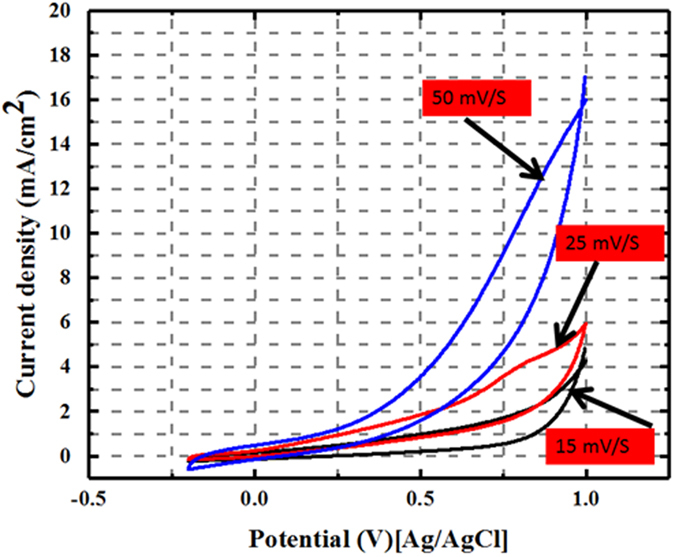
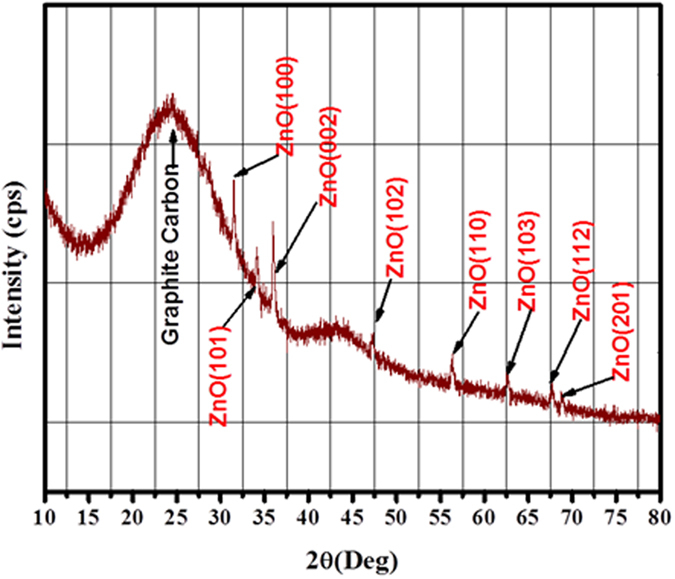
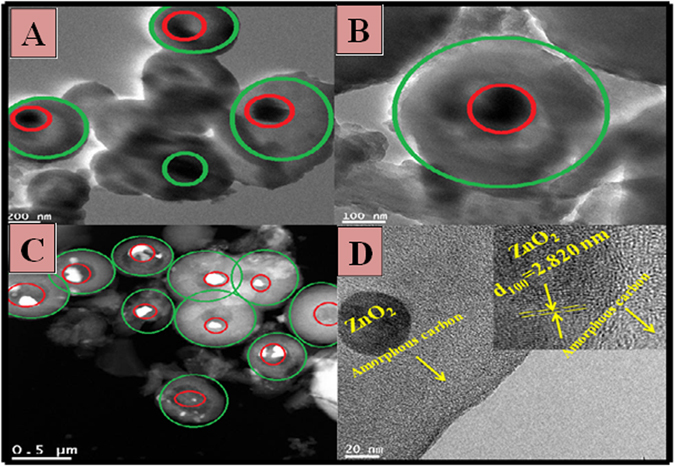
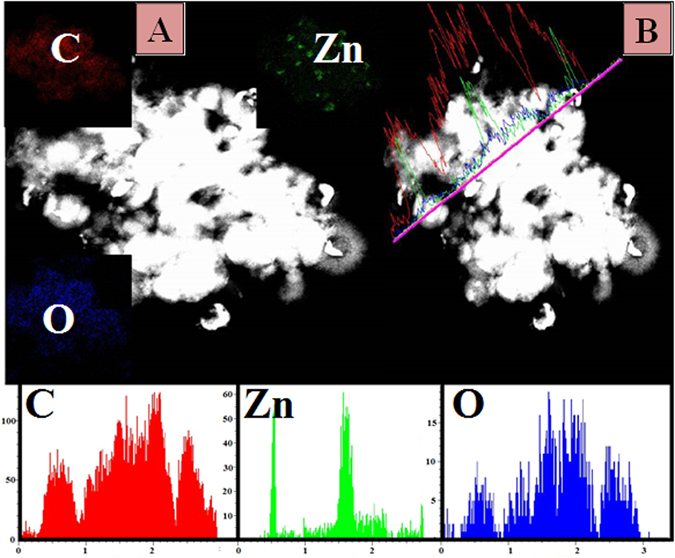
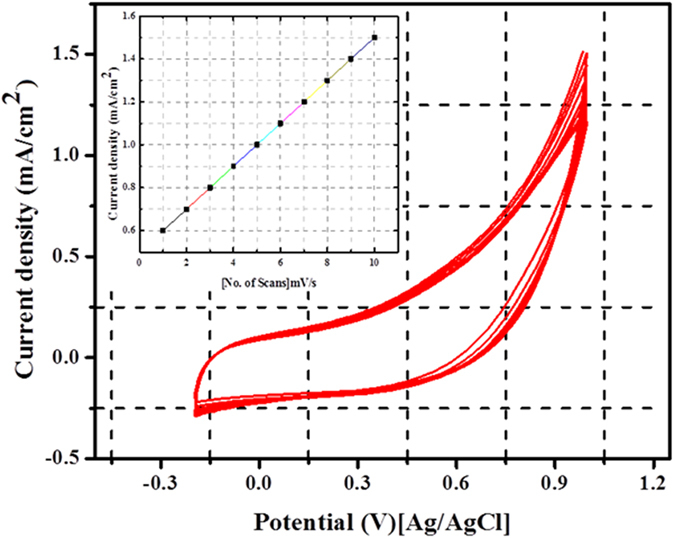
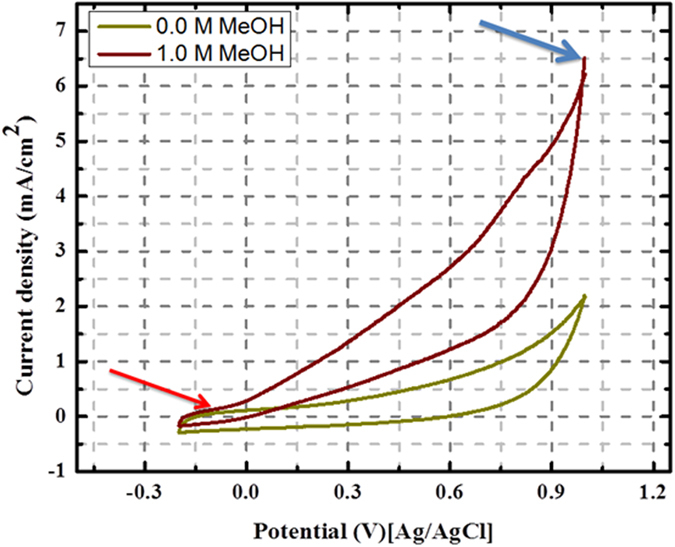
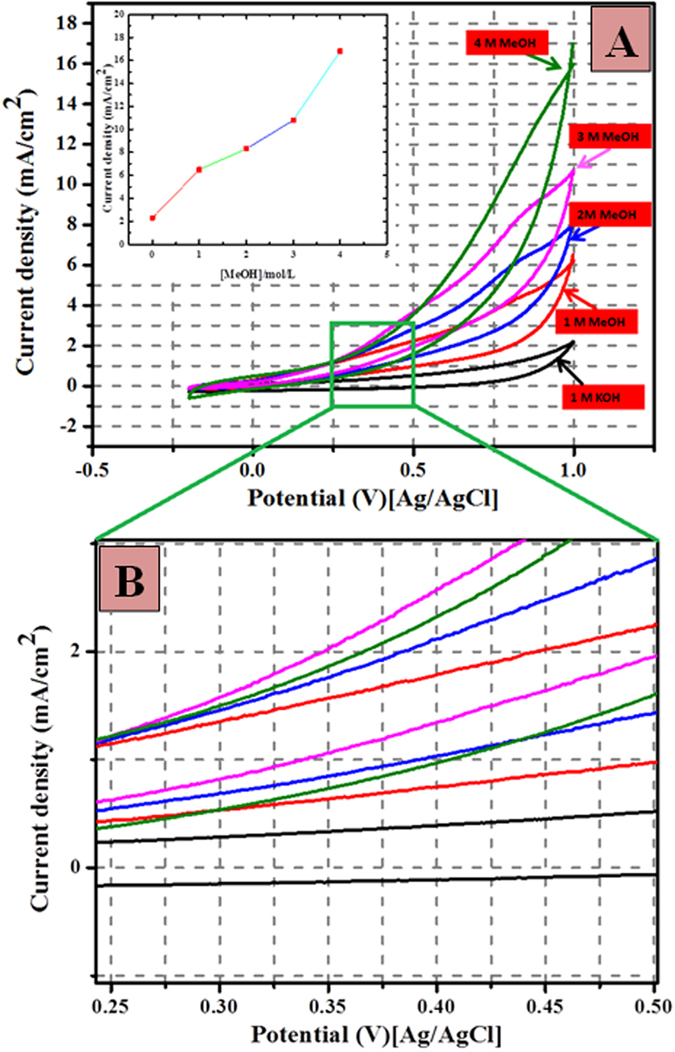
Although numerous reports have introduced non precious electrocatalysts for methanol oxidation, most of those studies did not consider the corresponding high onset potential which restricts utilization in real fuel cells. In this study, an -90 mV [vs. Ag/AgCl] onset potential non-precious electrocatalyst is introduced as an applicable anode material for the direct methanol fuel cells. Moreover, the proposed material was prepared from a cheap and abundantly existing resource; the spent coffee grounds. Typically, the spent coffee grounds were facilely converted to core@shell (ZnO@C) microspheres through a two-step approach, involving chemical activation and a subsequent calcination at temperature of 700 °C. Activation of the carbon derived from the spent coffee grounds was performed with ZnCl which acts as pore-forming agent as well as a precursor for the ZnO. The structure and morphology were characterized by (XRD), (SEM), and (TEM) analyses while the electrochemical characterizations was evaluated by cyclic voltammetry (CV) technique. Besides the comparatively very low onset potential, the introduced microspheres exhibited relatively high current density; 17 mA/cm. Overall, based on the advantages of the green source of carbon and the good electrocatalytic activity, the spent coffee grounds-derived carbon can be considered a promise anode material for the DMFCs.
尽管有许多报道介绍了用于甲醇氧化的非贵金属电催化剂,但大多数研究都没有考虑到相应的高起始电位,这限制了它们在实际燃料电池中的应用。在本研究中,引入了一种起始电位为-90mV[相对于 Ag/AgCl]的非贵金属电催化剂,作为直接甲醇燃料电池的可用阳极材料。此外,所提出的材料是由廉价且丰富的资源——用过的咖啡渣制备的。通常,用过的咖啡渣通过两步法很容易转化为核壳(ZnO@C)微球,包括化学活化和随后在 700°C 的温度下煅烧。来自用过的咖啡渣的碳的活化是用 ZnCl 进行的,ZnCl 既是造孔剂,也是 ZnO 的前体。通过 XRD、SEM 和 TEM 分析对结构和形态进行了表征,通过循环伏安法(CV)技术对电化学性能进行了评估。除了比较低的起始电位外,所引入的微球还表现出相对较高的电流密度;17mA/cm。总的来说,基于碳的绿色来源和良好的电催化活性的优势,用过的咖啡渣衍生的碳可以被认为是 DMFCs 的有前途的阳极材料。