Lynagh Timothy, Flood Emelie, Boiteux Céline, Wulf Matthias, Komnatnyy Vitaly V, Colding Janne M, Allen Toby W, Pless Stephan A
Center for Biopharmaceuticals, Department of Drug Design and Pharmacology, University of Copenhagen, Copenhagen, Denmark.
School of Science, RMIT University, Melbourne, Australia.
Elife. 2017 May 12;6:e24630. doi: 10.7554/eLife.24630.
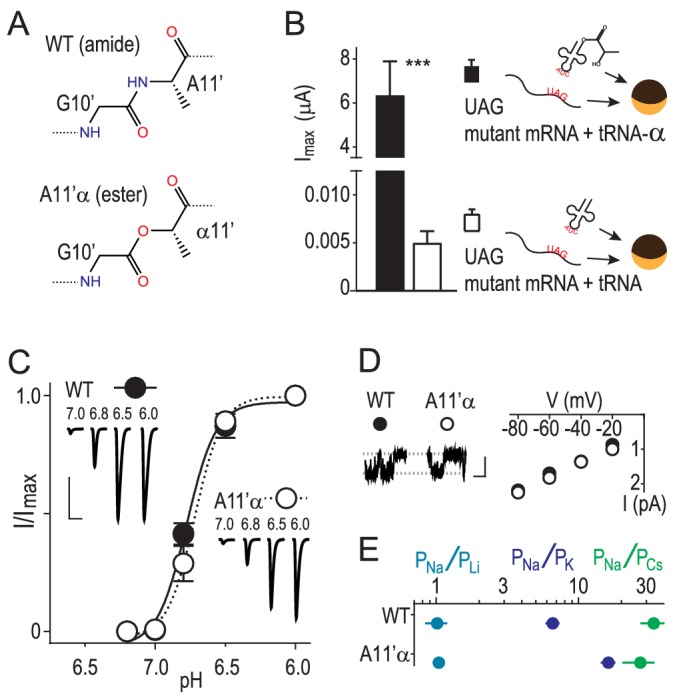
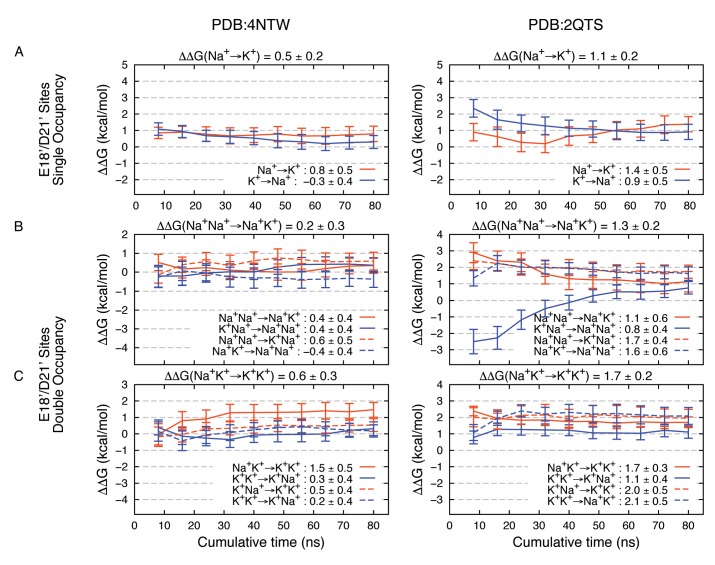
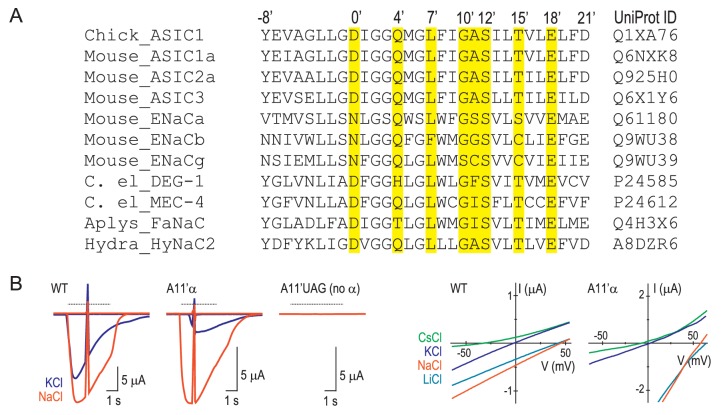
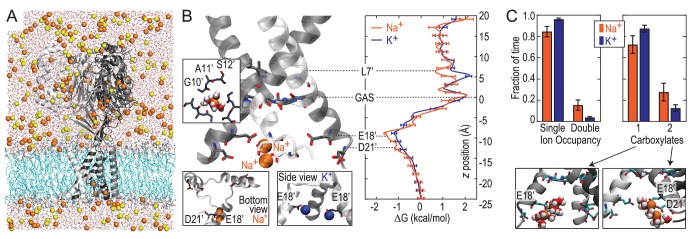
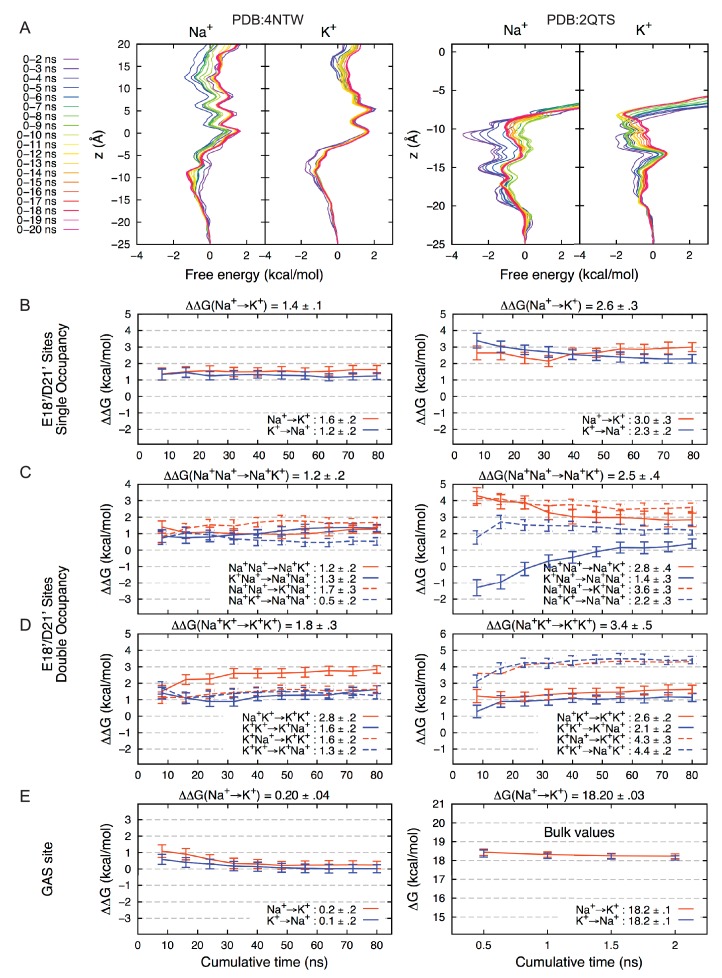
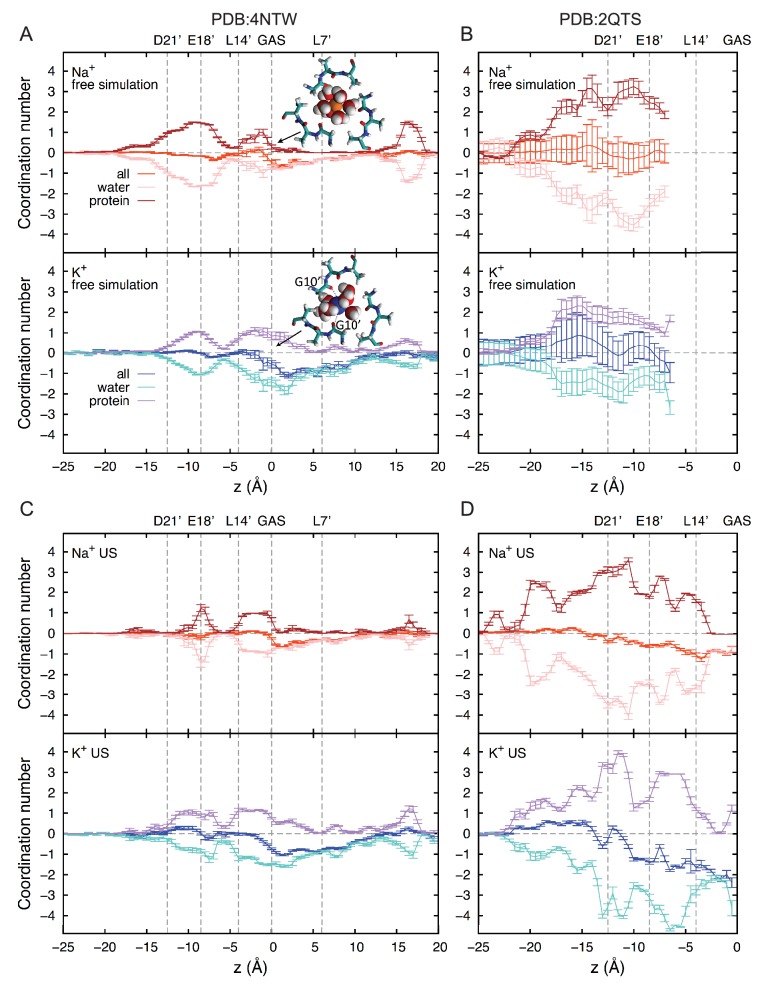
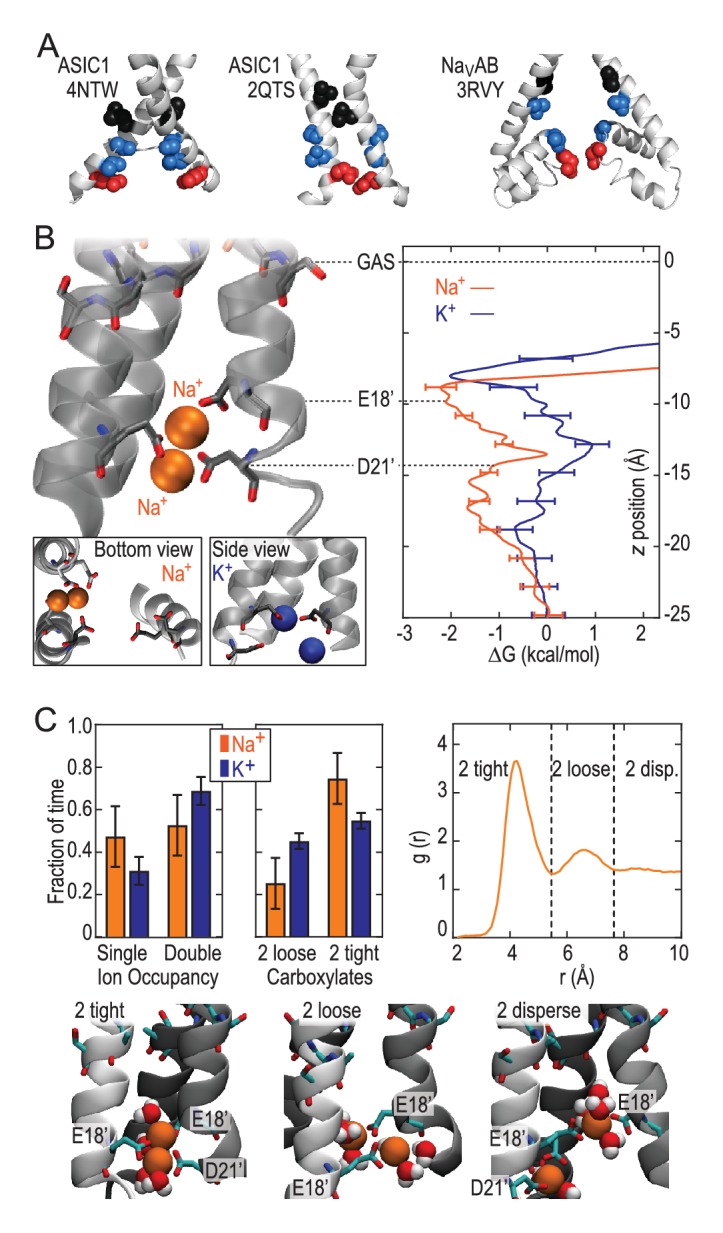
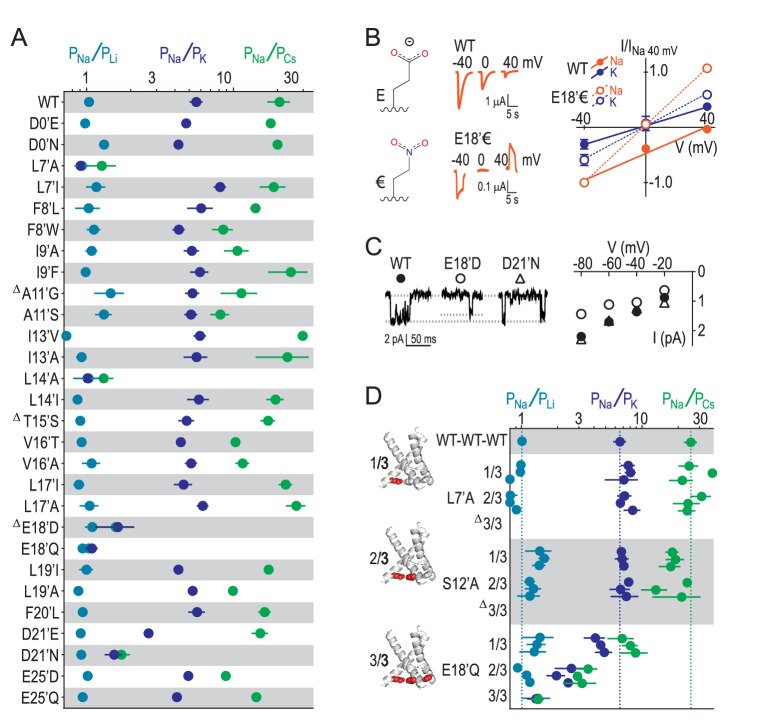
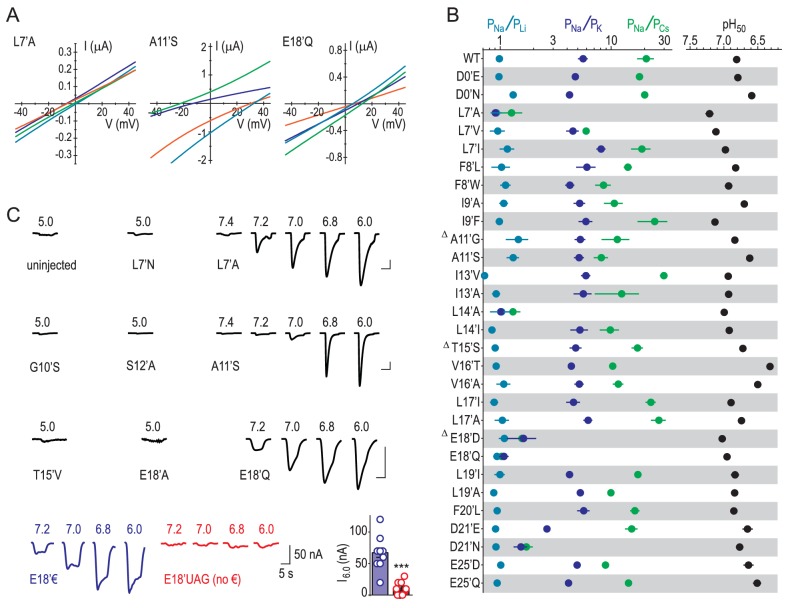
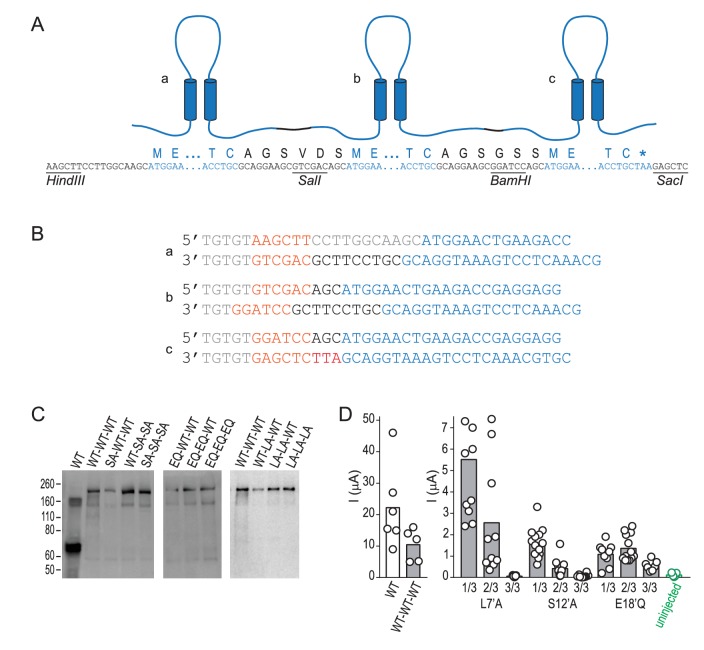
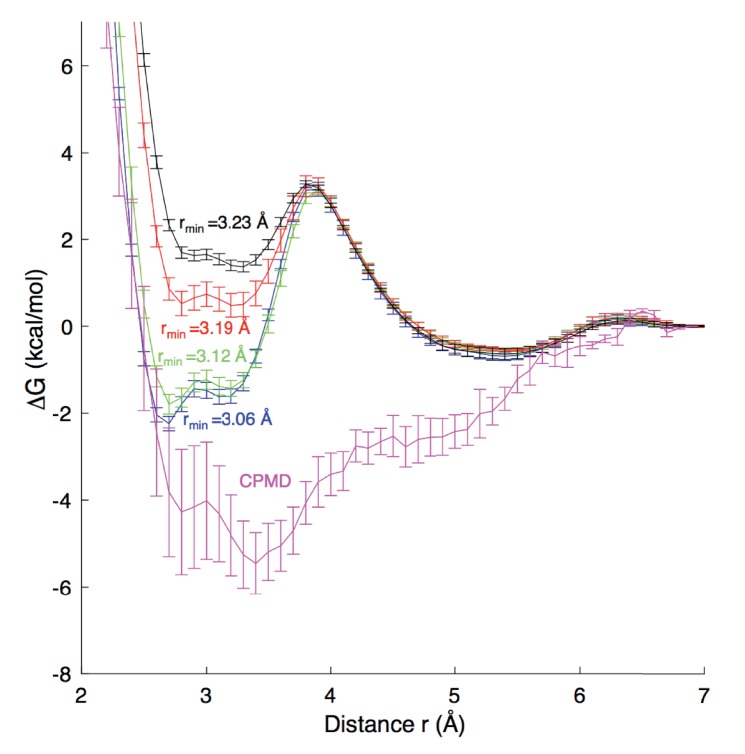
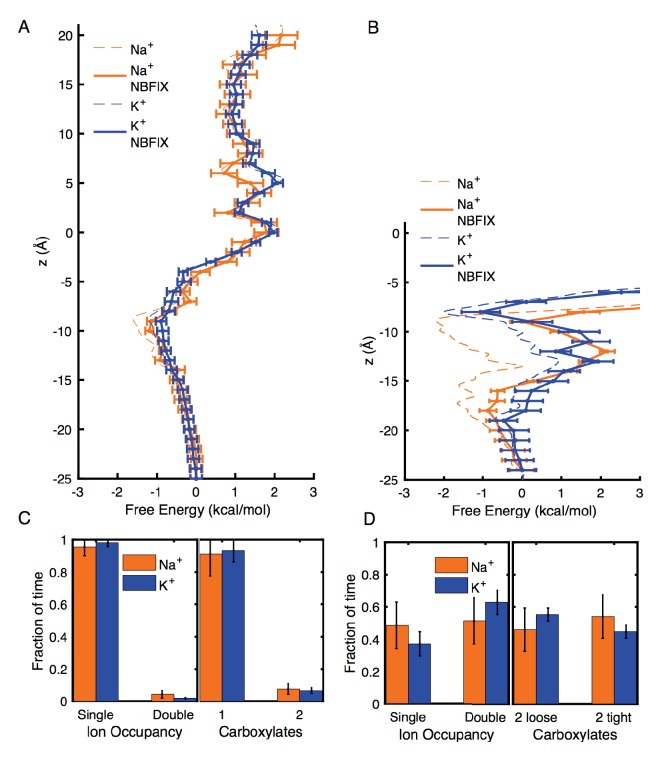
Increased extracellular proton concentrations during neurotransmission are converted to excitatory sodium influx by acid-sensing ion channels (ASICs). 10-fold sodium/potassium selectivity in ASICs has long been attributed to a central constriction in the channel pore, but experimental verification is lacking due to the sensitivity of this structure to conventional manipulations. Here, we explored the basis for ion selectivity by incorporating unnatural amino acids into the channel, engineering channel stoichiometry and performing free energy simulations. We observed no preference for sodium at the "GAS belt" in the central constriction. Instead, we identified a band of glutamate and aspartate side chains at the lower end of the pore that enables preferential sodium conduction.
神经传递过程中细胞外质子浓度的增加通过酸敏感离子通道(ASICs)转化为兴奋性钠内流。长期以来,ASICs中10倍的钠/钾选择性一直归因于通道孔的中央收缩,但由于该结构对传统操作敏感,缺乏实验验证。在这里,我们通过将非天然氨基酸引入通道、设计通道化学计量并进行自由能模拟来探索离子选择性的基础。我们发现在中央收缩处的“GAS带”对钠没有偏好。相反,我们在孔的下端发现了一条谷氨酸和天冬氨酸侧链带,它能够实现钠的优先传导。