Su Tao, Bai Jing-Xuan, Chen Ying-Jie, Wang Xin-Ning, Fu Xiu-Qiong, Li Ting, Guo Hui, Zhu Pei-Li, Wang Yue, Yu Zhi-Ling
Consun Chinese Medicines Research Centre for Renal Diseases, School of Chinese Medicine, Hong Kong Baptist UniversityKowloon Tong, China.
Center for Cancer and Inflammation Research, School of Chinese Medicine, Hong Kong Baptist UniversityHong Kong, China.
Front Pharmacol. 2017 Apr 28;8:227. doi: 10.3389/fphar.2017.00227. eCollection 2017.
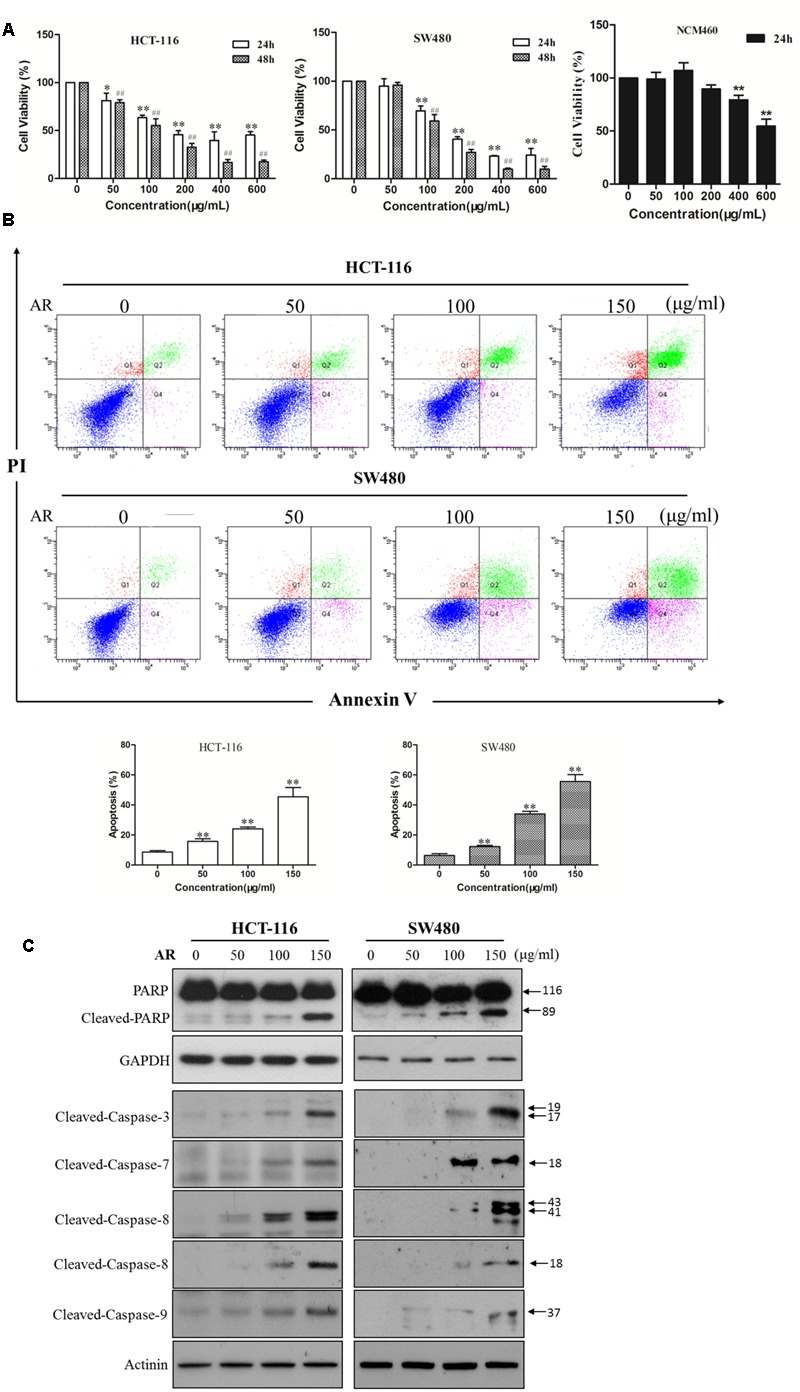
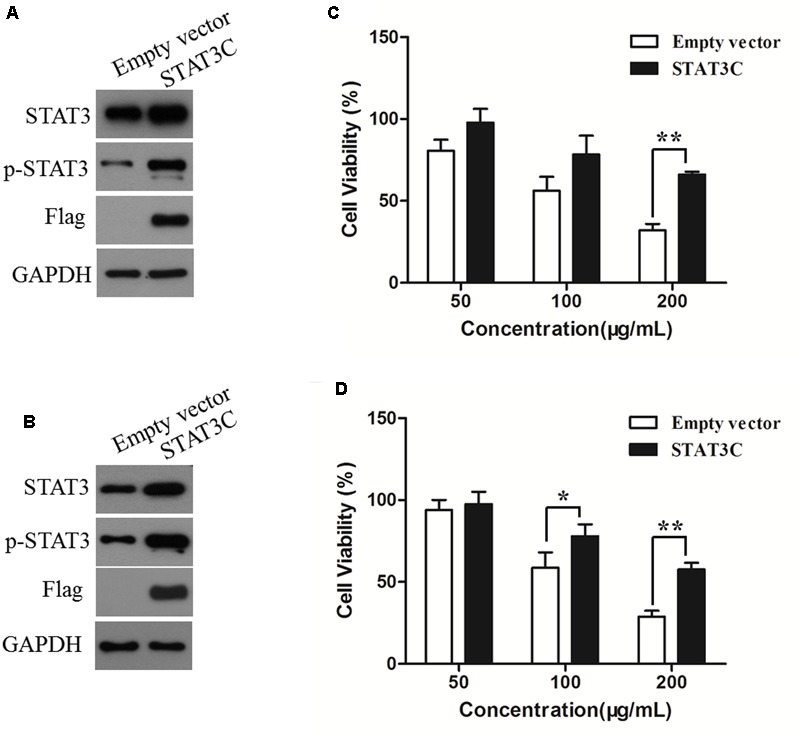
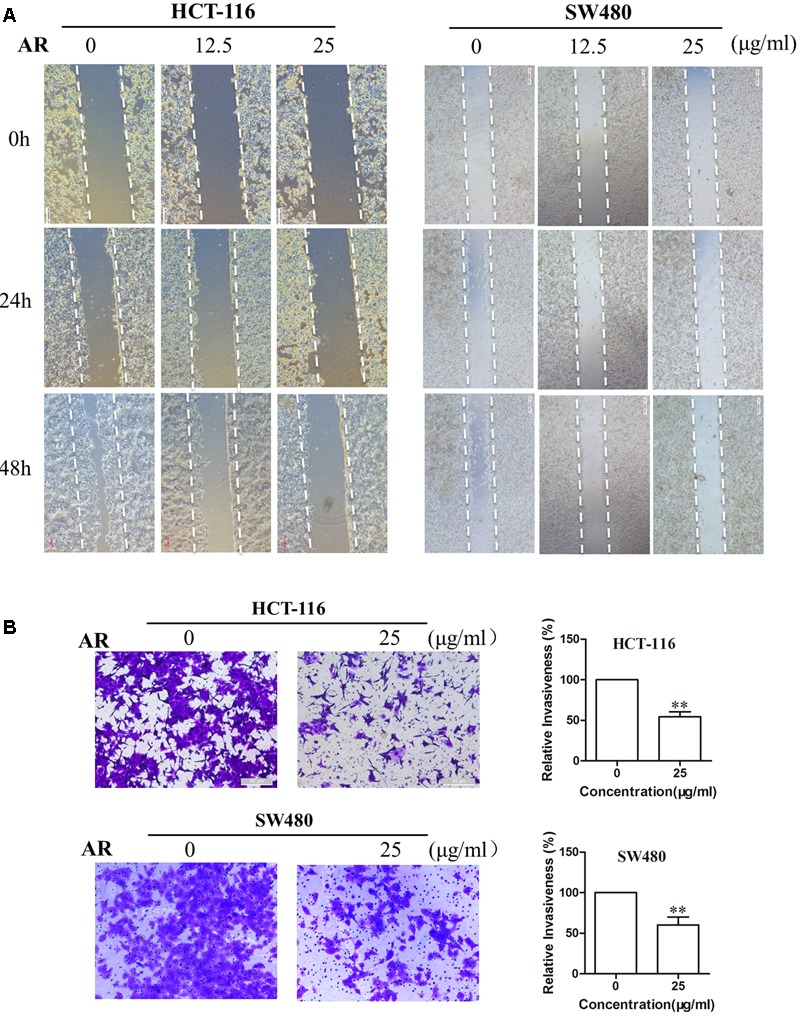
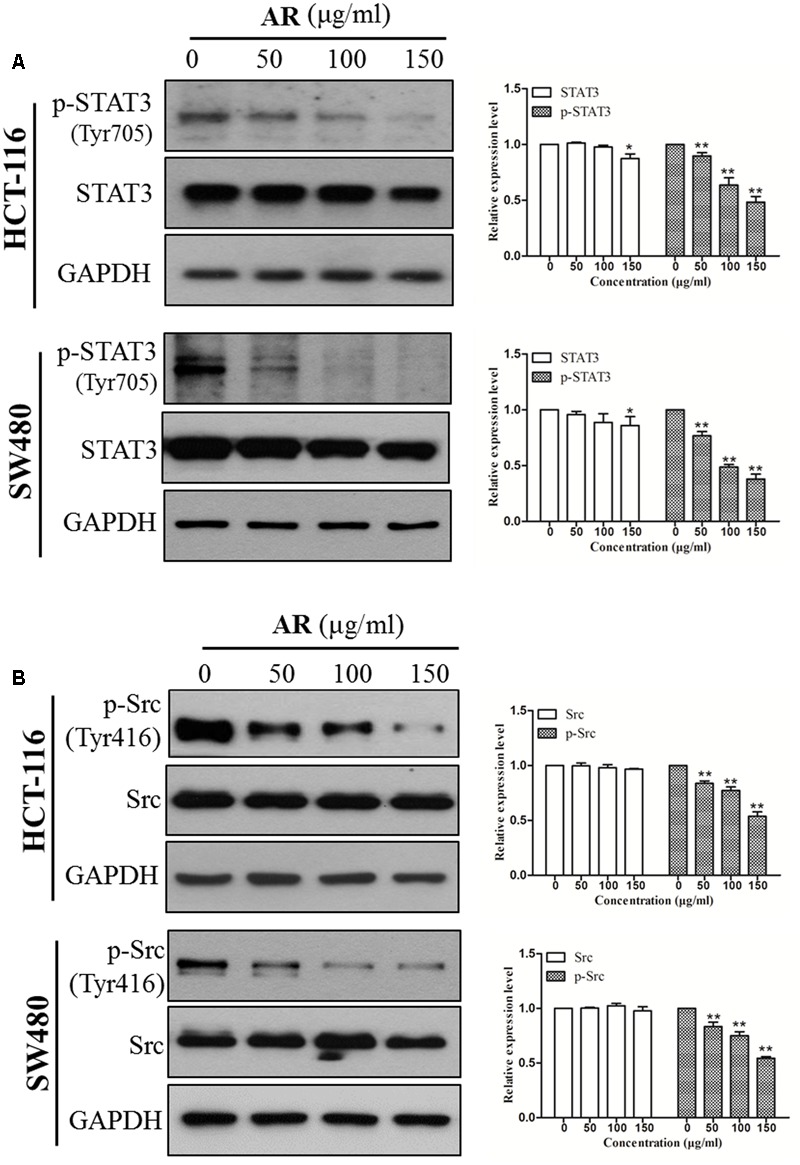
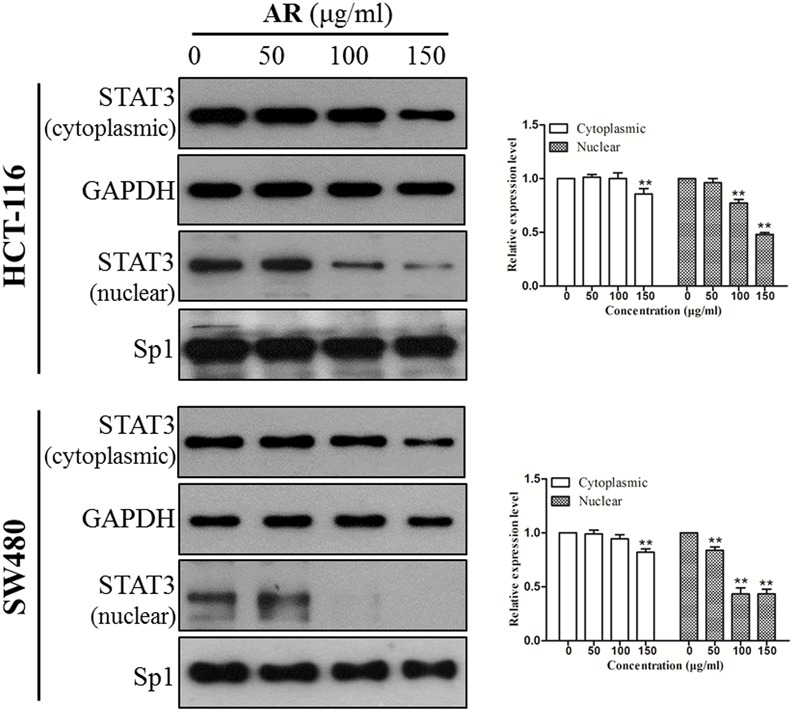
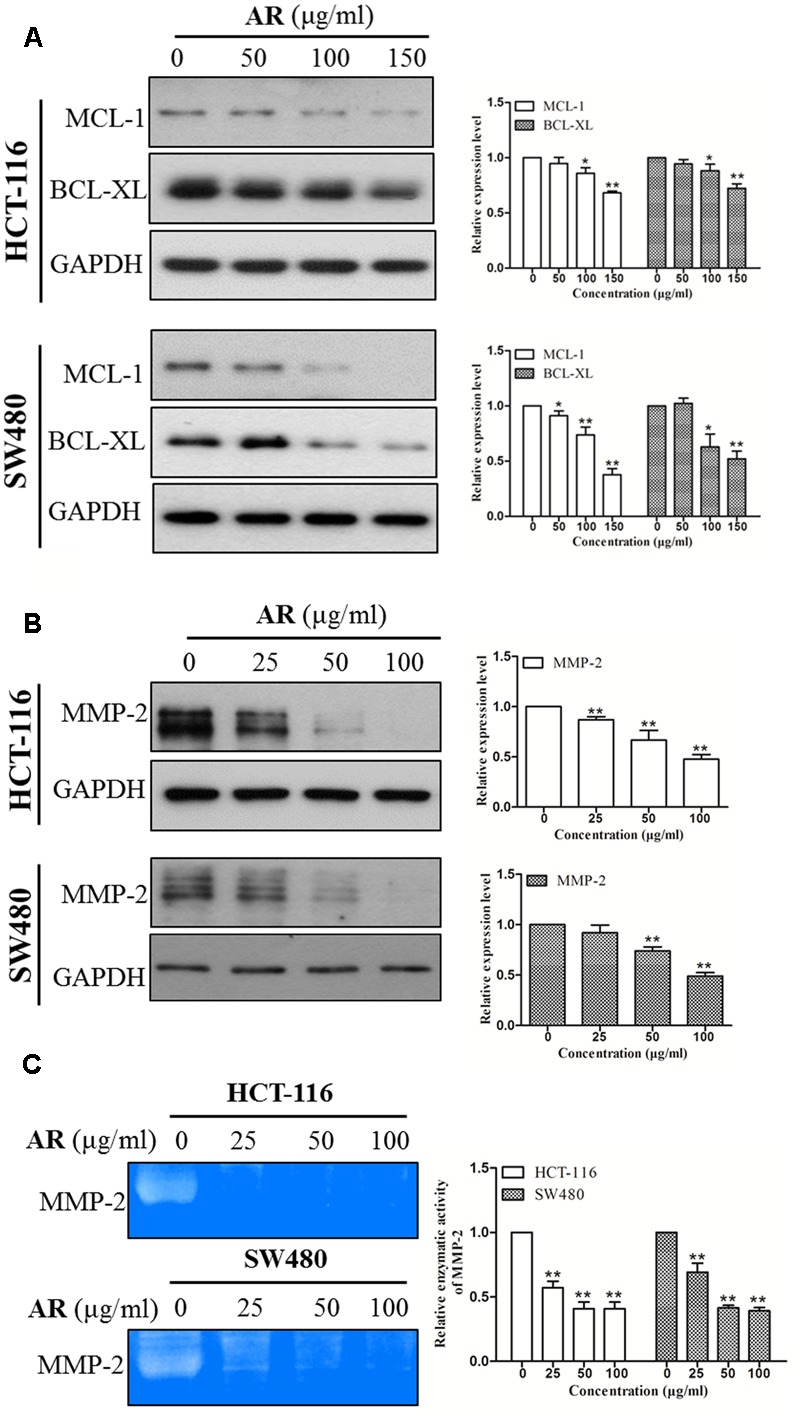
Colorectal cancer (CRC) is a leading cause of cancer-related morbidity and mortality worldwide. Signal transducer and activator of transcription 3 (STAT3) signaling is constantly activated in CRC, and has been proposed as a pathogenic factor and a therapeutic target of CRC. Ampelopsis Radix (AR), a traditional Chinese medicinal herb, possesses low toxicity and has long been used clinically for the treatment of cancers including CRC. Some constituents of AR have been reported to exert anti-cancer properties by targeting STAT3. However, the anti-CRC mode and mechanism of action of AR have not been fully elucidated. Here, we investigated the involvement of STAT3 signaling in the anti-CRC effects of AR. Results showed that AR reduced cell viability, induced cell apoptosis, and suppressed cell migration and invasion in human HCT-116 and SW480 CRC cells. Mechanistic studies showed that AR potently suppressed STAT3 and Src phosphorylation, and inhibited STAT3 nuclear localization in cultured CRC cells. AR also downregulated the expression of STAT3 target genes Mcl-1, Bcl-xL, and MMP-2 that are involved in cell survival and mobility. Moreover, the cytotoxic effect of AR was diminished by overexpressing STAT3C, a persistent active variant of STAT3. In conclusion, AR exerted anti-CRC effects and these effects are at least in part attributed to the inhibition of STAT3 signaling. Our findings provide a molecular justification for the traditional use of AR in treating CRC, and a pharmacological basis for developing AR-derived modern anti-CRC agent(s).
结直肠癌(CRC)是全球癌症相关发病和死亡的主要原因。信号转导和转录激活因子3(STAT3)信号通路在CRC中持续激活,并被认为是CRC的致病因素和治疗靶点。中药白蔹(AR)毒性低,长期以来一直用于临床治疗包括CRC在内的癌症。据报道,AR的一些成分通过靶向STAT3发挥抗癌特性。然而,AR抗CRC的模式和作用机制尚未完全阐明。在此,我们研究了STAT3信号通路在AR抗CRC作用中的参与情况。结果表明,AR降低了人HCT-116和SW480 CRC细胞的活力,诱导细胞凋亡,并抑制细胞迁移和侵袭。机制研究表明,AR强烈抑制STAT3和Src磷酸化,并抑制培养的CRC细胞中STAT3的核定位。AR还下调了参与细胞存活和迁移的STAT3靶基因Mcl-1、Bcl-xL和MMP-2的表达。此外,过表达STAT3C(一种STAT3的持续活性变体)可减弱AR的细胞毒性作用。总之,AR发挥了抗CRC作用,这些作用至少部分归因于对STAT3信号通路的抑制。我们的研究结果为AR传统上用于治疗CRC提供了分子依据,并为开发AR衍生的现代抗CRC药物提供了药理学基础。