Haider Ali S, Garg Prabhat, Watson Ian T, Leonard Dean, Khan Umair, Haque Ahmed, Nguyen Phu, Layton Kennith F
Department of Neurosurgery, Scott and White Hospital, Temple, TX.
Texas A&M College of Medicine.
Cureus. 2017 Apr 11;9(4):e1150. doi: 10.7759/cureus.1150.
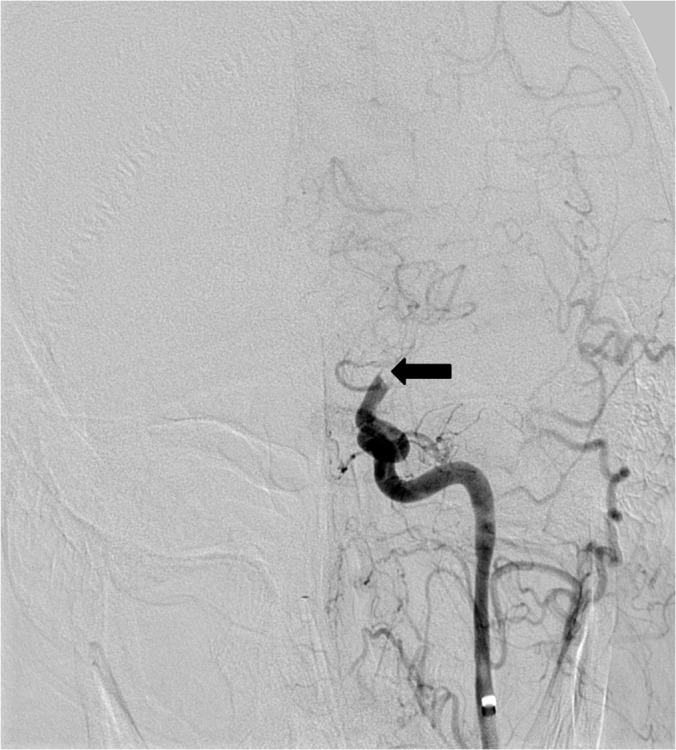
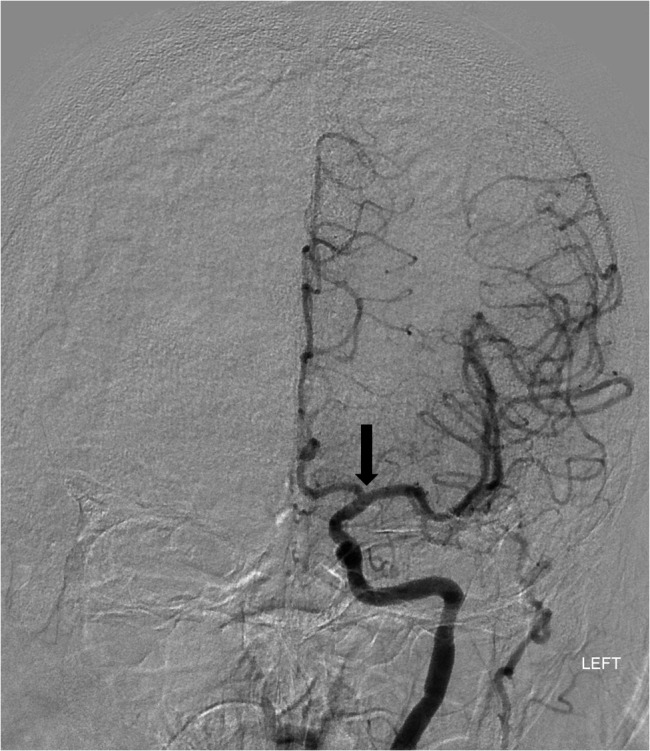
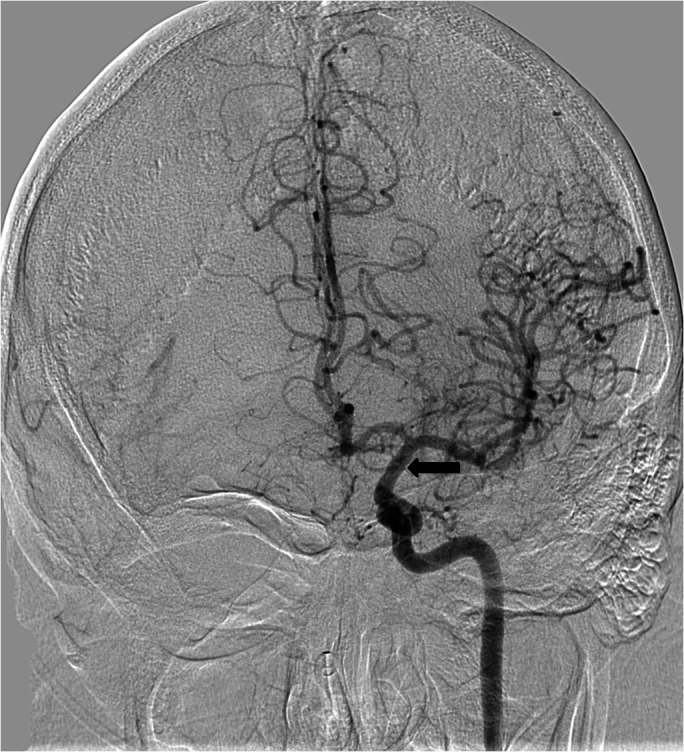
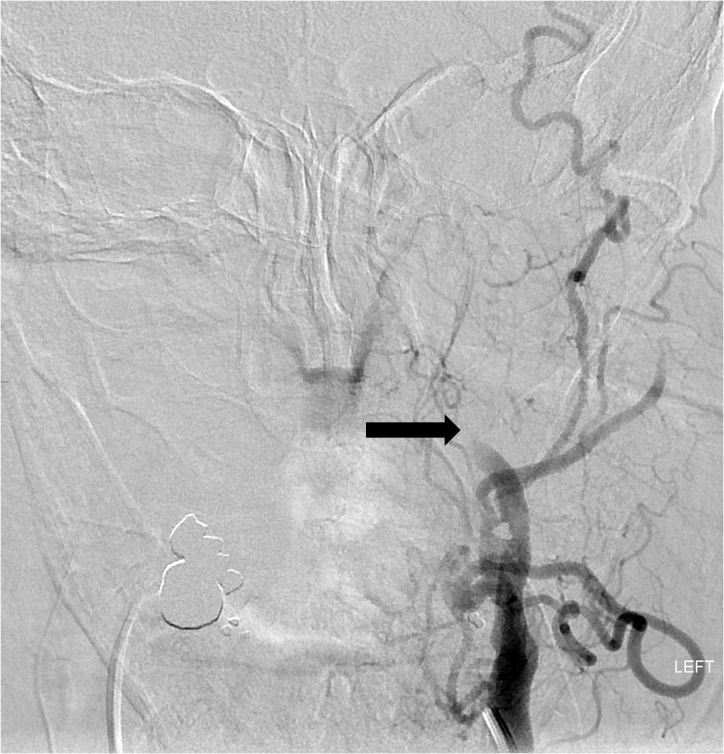
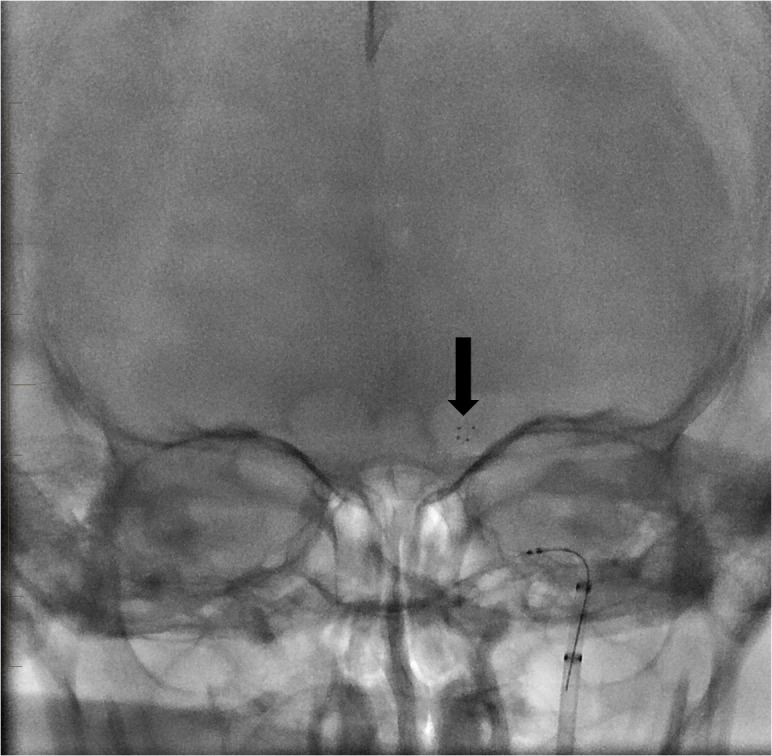
Ischemic stroke is a rare yet devastating complication that may occur following cardiothoracic surgery. Fibrinolytic treatment is contraindicated due to elevated risk for hemorrhage. Mechanical thrombectomy entails a catheterized approach wherein the thrombus is physically removed from the vessel without the use of fibrinolytics, minimizing the possibility of intracranial hemorrhage. Here, we present two original cases of mechanical thrombectomy as treatment for patients experiencing emergent large vessel occlusion following cardiothoracic surgery. A literature review was conducted to determine current treatment guidelines, risk factors, and complications resulting from recanalization due to mechanical thrombectomy versus fibrinolytic therapy. One patient was admitted due to chronic, American College of Cardiology/American Heart Association stage D, New York Heart Association functional class IV heart failure and required complete, artificial hemodynamic support for two weeks and on the 19 day experienced neurologic decline secondary to a supraclinoid left internal carotid artery (ICA) occlusion. Mechanical thrombectomy resulted in distal reperfusion and neurologic improvement. The second patient presented with coronary artery disease and underwent triple coronary artery bypass grafting and endovein harvesting. On post-operative day 2, the patient experienced a left ICA occlusion extending to the cavernous ICA resulting in speech impairment and right-sided weakness. The patient was heparinized and underwent mechanical thrombectomy, resulting in immediate speech and muscle strength recovery. Medical advances allow mechanical thrombectomy to be performed in a timely and effective manner at specialized treatment centers. It offers endovascular treatment modalities to a unique patient population with postoperative stroke. In such patients, thrombectomy can safely provide reperfusion while reducing the risk of complications associated with conventional thrombolytics.