Yu C, Arcos-Burgos M, Licinio J, Wong M-L
Mind and Brain Theme, South Australian Health and Medical Research Institute, Adelaide, SA, Australia.
School of Medicine, Flinders University, Bedford Park, Adelaide, SA, Australia.
Transl Psychiatry. 2017 May 16;7(5):e1134. doi: 10.1038/tp.2017.102.
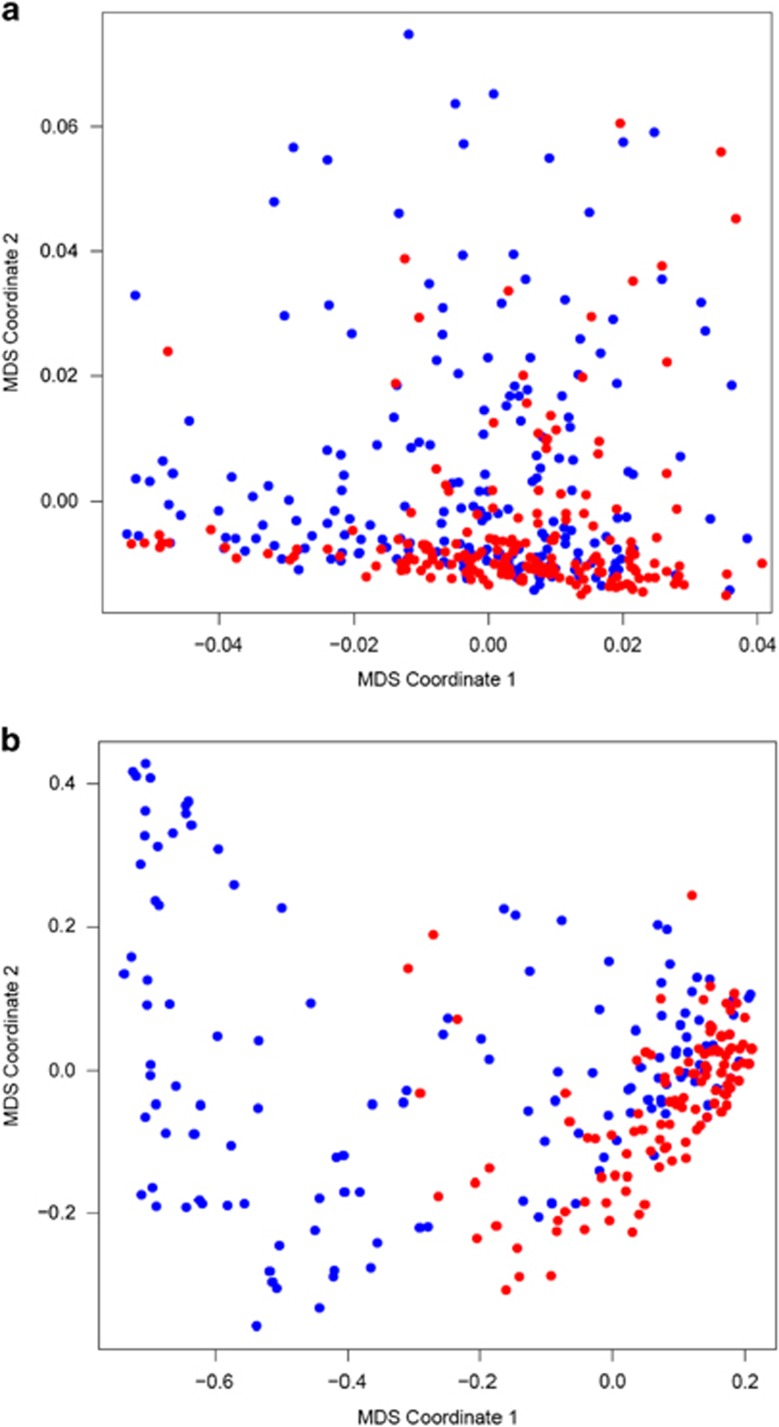
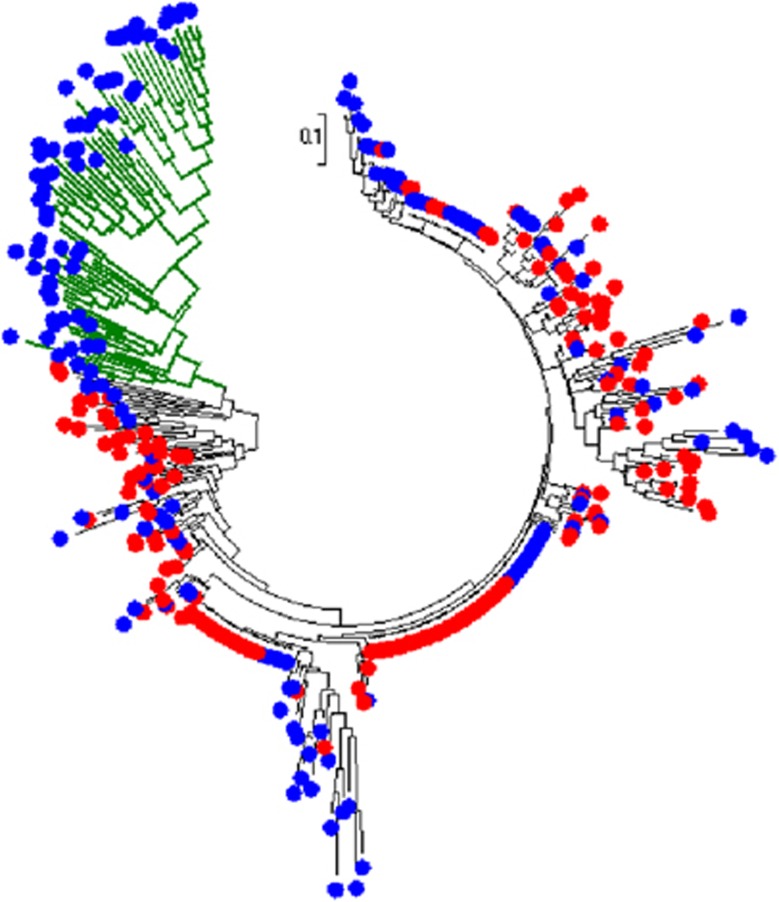
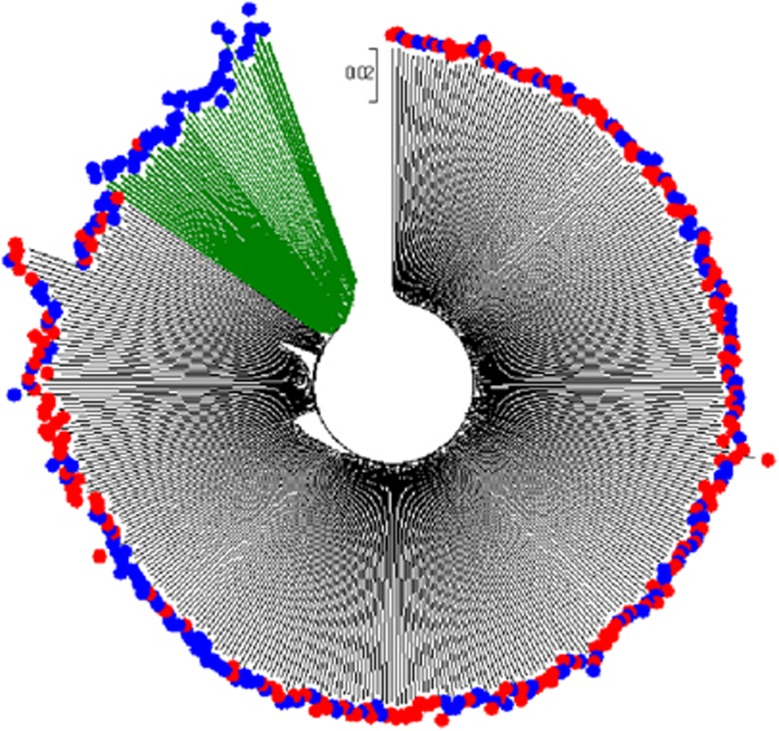
Identifying data-driven subtypes of major depressive disorder (MDD) is an important topic of psychiatric research. Currently, MDD subtypes are based on clinically defined depression symptom patterns. Although a few data-driven attempts have been made to identify more homogenous subgroups within MDD, other studies have not focused on using human genetic data for MDD subtyping. Here we used a computational strategy to identify MDD subtypes based on single-nucleotide polymorphism genotyping data from MDD cases and controls using Hamming distance and cluster analysis. We examined a cohort of Mexican-American participants from Los Angeles, including MDD patients (n=203) and healthy controls (n=196). The results in cluster trees indicate that a significant latent subtype exists in the Mexican-American MDD group. The individuals in this hidden subtype have increased common genetic substrates related to major depression and they also have more anxiety and less middle insomnia, depersonalization and derealisation, and paranoid symptoms. Advances in this line of research to validate this strategy in other patient groups of different ethnicities will have the potential to eventually be translated to clinical practice, with the tantalising possibility that in the future it may be possible to refine MDD diagnosis based on genetic data.
识别重度抑郁症(MDD)的数据驱动亚型是精神病学研究的一个重要课题。目前,MDD亚型基于临床定义的抑郁症状模式。尽管已经有一些基于数据驱动的尝试来识别MDD中更同质的亚组,但其他研究尚未专注于使用人类基因数据进行MDD亚型分类。在这里,我们使用一种计算策略,基于来自MDD病例和对照的单核苷酸多态性基因分型数据,利用汉明距离和聚类分析来识别MDD亚型。我们研究了一组来自洛杉矶的墨西哥裔美国参与者,包括MDD患者(n = 203)和健康对照(n = 196)。聚类树的结果表明,墨西哥裔美国MDD组中存在一个显著的潜在亚型。这个隐藏亚型中的个体与重度抑郁症相关的常见遗传底物增加,并且他们也有更多的焦虑,以及更少的中度失眠、人格解体、现实解体和偏执症状。在其他不同种族的患者群体中验证这一策略的这一研究方向的进展最终有可能转化为临床实践,未来有可能基于基因数据优化MDD诊断,这一可能性令人心动。