Kulasinghe Arutha, Perry Chris, Kenny Liz, Warkiani Majid E, Nelson Colleen, Punyadeera Chamindie
The School of Biomedical Sciences, Institute of Health and Biomedical Innovation, Queensland University of Technology, Kelvin Grove, QLD, Australia.
Translational Research Institute, Brisbane, Australia.
BMC Cancer. 2017 May 16;17(1):333. doi: 10.1186/s12885-017-3316-3.
Blockade of the PD-1/PD-L1 immune checkpoint pathway is emerging as a promising immunotherapeutic approach for the management and treatment of head and neck cancer patients who do not respond to 1st/2nd line therapy. However, as checkpoint inhibitors are cost intensive, identifying patients who would most likely benefit from anti PD-L1 therapy is required. Developing a non-invasive technique would be of major benefit to the patient and to the health care system.
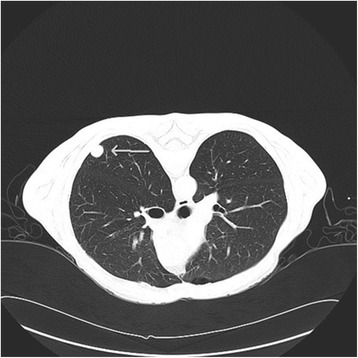
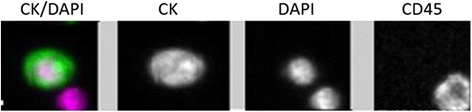
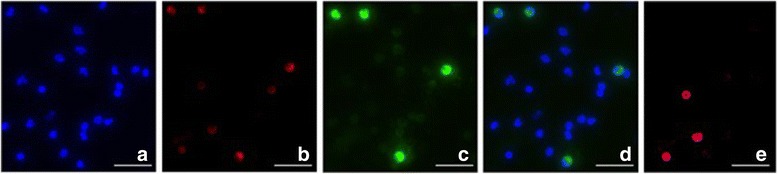
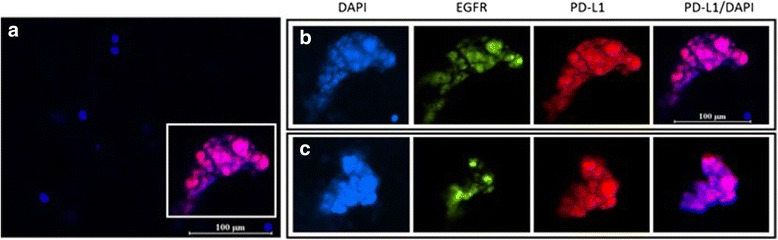
We report the case of a 56 year old man affected by a supraglottic squamous cell carcinoma (SCC). A CT scan showed a 20 mm right jugulodigastric node and suspicious lung lesions. The lung lesion was biopsied and confirmed to be consistent with SCC. The patient was offered palliative chemotherapy. At the time of presentation, a blood sample was taken for circulating tumour cell (CTC) analysis. The dissemination of cancer was confirmed by the detection of CTCs in the peripheral blood of the patient, measured by the CellSearch System (Janssen Diagnostics). Using marker-independent, low-shear spiral microfluidic technology combined with immunocytochemistry, CTC clusters were found in this patient at the same time point, expressing PD-L1.
This report highlights the potential use of CTCs to identify patients which might respond to anti PD-L1 therapy.
对于一线/二线治疗无效的头颈癌患者,阻断PD-1/PD-L1免疫检查点通路正成为一种有前景的免疫治疗方法。然而,由于检查点抑制剂成本高昂,需要识别最可能从抗PD-L1治疗中获益的患者。开发一种非侵入性技术将对患者和医疗保健系统大有裨益。
我们报告了一例56岁声门上鳞状细胞癌(SCC)男性患者的病例。CT扫描显示右侧颈二腹肌下淋巴结有一个20毫米的病灶,肺部有可疑病变。对肺部病变进行活检,证实与SCC一致。该患者接受了姑息化疗。就诊时,采集了一份血样用于循环肿瘤细胞(CTC)分析。通过CellSearch系统(杨森诊断公司)检测患者外周血中的CTC,证实了癌症的扩散。在同一时间点,使用非标记、低剪切螺旋微流控技术结合免疫细胞化学,在该患者中发现了表达PD-L1的CTC簇。
本报告强调了CTC在识别可能对抗PD-L1治疗有反应的患者方面的潜在用途。