Capaccio P, Torretta S, Pignataro L, Koch M
Department of Biomedical, Surgical and Dental Sciences.
Department of Clinical Sciences and Community Health, Fondazione IRCCS Ca' Granda Ospedale Maggiore Policlinico, Università degli Studi di Milano, Milan, Italy.
Acta Otorhinolaryngol Ital. 2017 Apr;37(2):113-121. doi: 10.14639/0392-100X-1600.
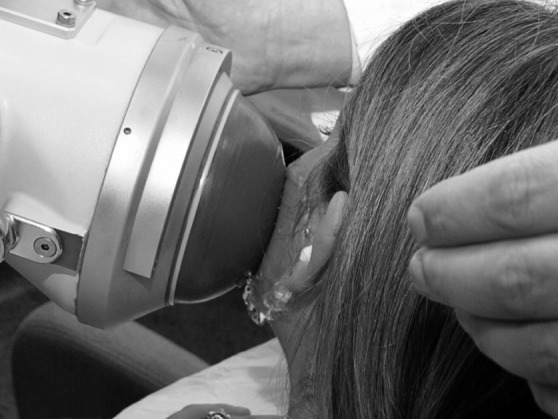
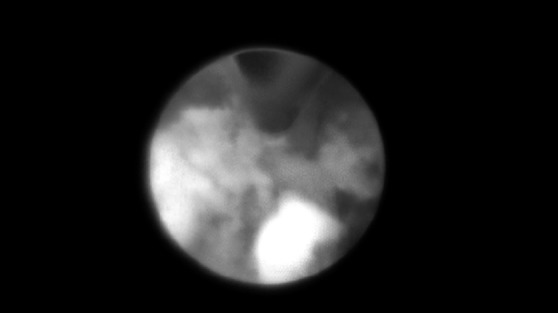
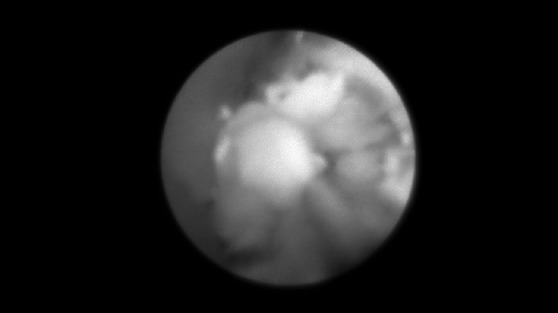
The traditional management of obstructive salivary disorders has been replaced by minimally-invasive gland-preserving techniques including shock-wave lithotripsy, sialendoscopy, interventional radiology and endoscopically video-assisted trans-oral and cervical stone retrieval, of which sialendoscopy is considered to be the method of first choice. Primary endoscopically controlled stone extraction without prior fragmentation is only possible in 15-20% of cases; in more than 80%, fragmentation is necessary because of the size, impactation and location of the stone, or an alternative treatment such as transoral duct surgery or combined approaches are required. Moreover, about 10-20% of all stones cannot be adequately accessed by means of a sialendoscope or any alternative surgical method and, in such cases, extra-corporeal shock wave lithotripsy (ESWL) is the treatment of choice. However, in endoscopically accessible stones, ESWL is being gradually replaced by endoscopically assisted intra-corporeal techniques, including endoscopically guided laser and pneumatic intracorporeal lithotripsy. We describe the currently most widely used techniques for salivary lithotripsy, including ESWL, and endoscopically guided laser, electrohydraulic, electrokinetic and pneumatic intra-corporeal lithotripsy, and discuss their indications given the widespread use of advanced rehabilitative sialendoscopy and combined therapeutic approaches.
阻塞性唾液腺疾病的传统治疗方法已被微创保腺技术所取代,这些技术包括冲击波碎石术、唾液腺内镜检查、介入放射学以及内镜视频辅助经口和颈部结石取出术,其中唾液腺内镜检查被认为是首选方法。在15%至20%的病例中,无需事先碎石即可在内镜控制下直接取出结石;在超过80%的病例中,由于结石的大小、嵌顿情况和位置,需要进行碎石,或者需要采用经口导管手术或联合治疗等替代治疗方法。此外,约10%至20%的结石无法通过唾液腺内镜或任何其他手术方法充分取出,在这种情况下,体外冲击波碎石术(ESWL)是首选治疗方法。然而,对于内镜可及的结石,ESWL正逐渐被内镜辅助体内技术所取代,包括内镜引导激光碎石术和气动体内碎石术。我们描述了目前唾液腺碎石术最广泛使用的技术,包括ESWL、内镜引导激光碎石术、电液压碎石术、电动碎石术和气动体内碎石术,并鉴于先进的康复性唾液腺内镜检查和联合治疗方法的广泛应用,讨论了它们的适应症。