Sieiro Daniel, Véron Nadège, Marcelle Christophe
Australian Regenerative Medicine Institute (ARMI), Monash University, Clayton, Victoria, Australia.
Institut NeuroMyoGène (INMG), Université Claude Bernard Lyon1, Faculty of Medicine Laënnec, Lyon, France.
PLoS One. 2017 May 16;12(5):e0177681. doi: 10.1371/journal.pone.0177681. eCollection 2017.
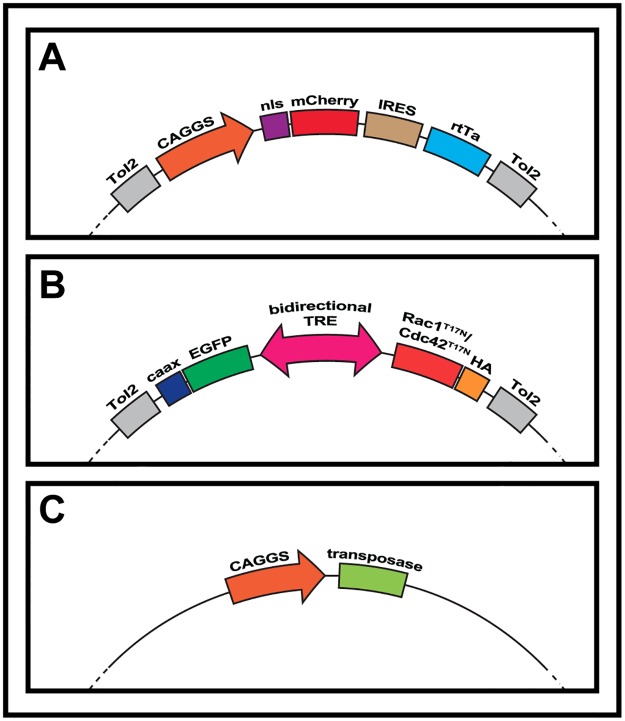
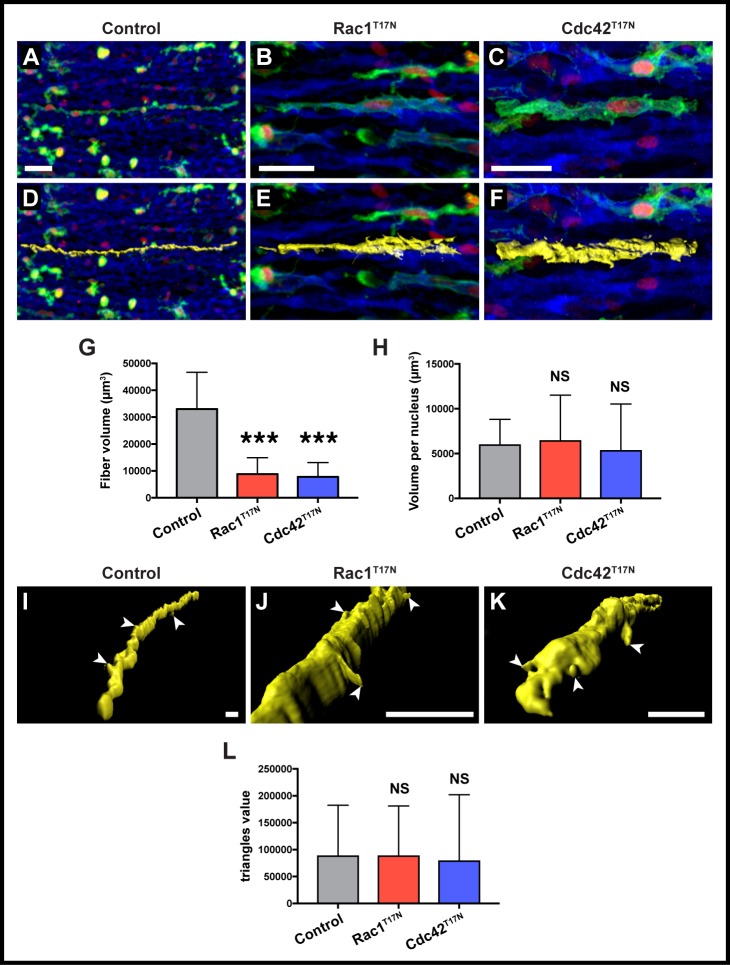
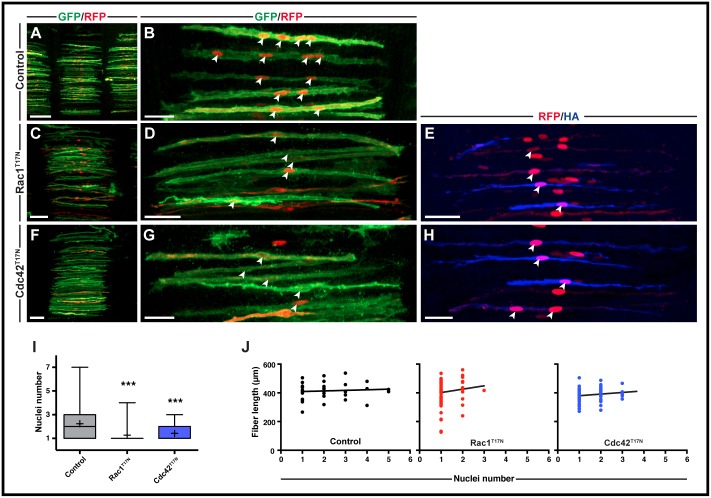
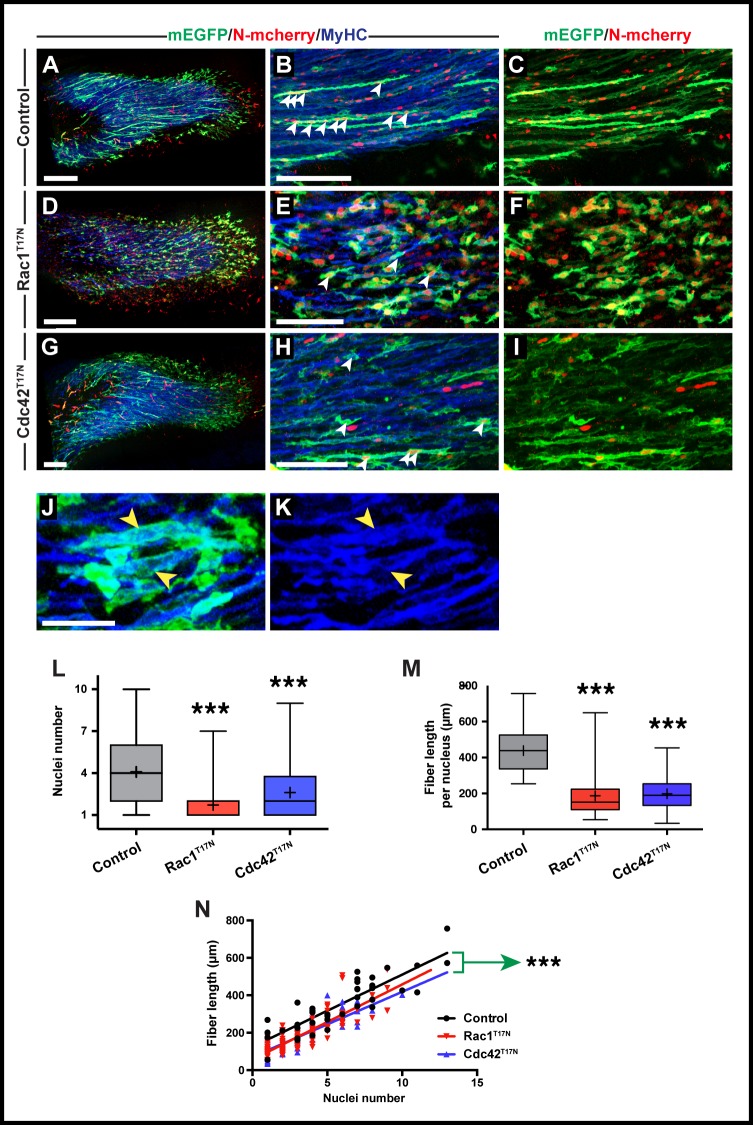
The fusion of myoblasts into multinucleated myotubes is a crucial step of muscle growth during development and of muscle repair in the adult. While multiple genes were shown to play a role in this process, a vertebrate model where novel candidates can be tested and analyzed at high throughput and relative ease has been lacking. Here, we show that the early chicken embryo is a fast and robust model in which functional testing of muscle fusion candidate genes can be performed. We have used known modulators of muscle fusion, Rac1 and Cdc42, along with the in vivo electroporation of integrated, inducible vectors, to show that the chicken embryo is a suitable model in which their function can be tested and quantified. In addition to nuclei content, specific characteristics of the experimental model allow a fine characterization of additional morphological features that are nearly impossible to assess in other model organisms. This study should establish the chicken embryo as a cheap, reliable and powerful model in which novel vertebrate muscle fusion candidates can be evaluated.
成肌细胞融合形成多核肌管是发育过程中肌肉生长以及成体肌肉修复的关键步骤。虽然多个基因已被证明在此过程中发挥作用,但一直缺乏一个能够高通量且相对轻松地对新候选基因进行测试和分析的脊椎动物模型。在此,我们表明鸡早期胚胎是一个快速且强大的模型,可用于对肌肉融合候选基因进行功能测试。我们使用了已知的肌肉融合调节因子Rac1和Cdc42,以及整合型可诱导载体的体内电穿孔技术,来证明鸡胚胎是一个合适的模型,能够对它们的功能进行测试和量化。除了细胞核含量外,该实验模型的特定特征还允许对其他形态特征进行精细表征,而这些特征在其他模式生物中几乎无法评估。本研究应能确立鸡胚胎作为一个廉价、可靠且强大的模型,可用于评估新的脊椎动物肌肉融合候选基因。