Costa Manoel L, Jurberg Arnon D, Mermelstein Claudia
Laboratório de Diferenciação Muscular, Instituto de Ciências Biomédicas, Universidade Federal do Rio de Janeiro, Rio de Janeiro, Brazil.
Faculdade de Medicina-Presidente Vargas, Universidade Estácio de Sá, Rio de Janeiro, Brazil.
Front Physiol. 2021 May 20;12:668600. doi: 10.3389/fphys.2021.668600. eCollection 2021.
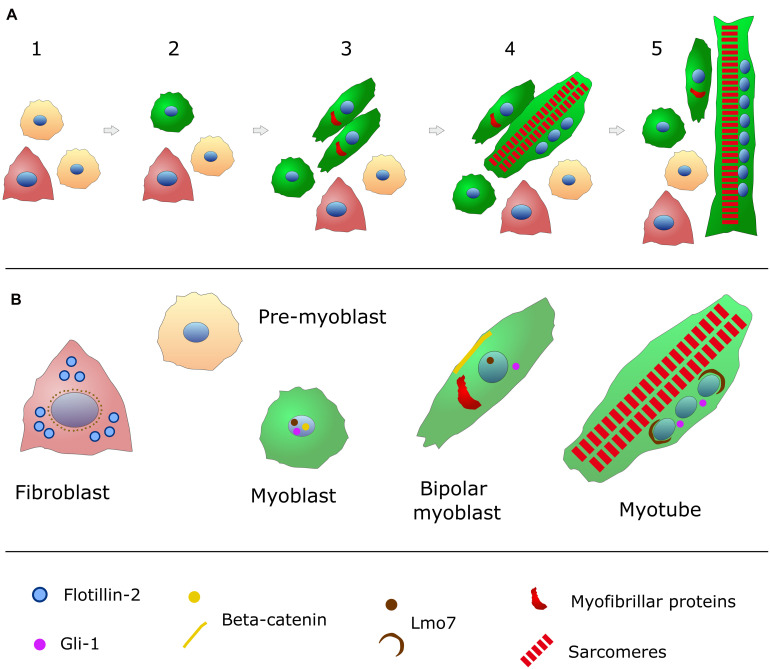
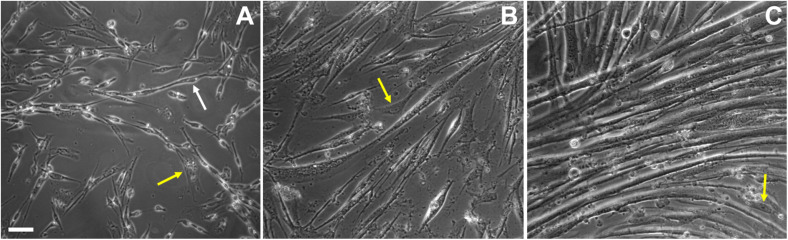
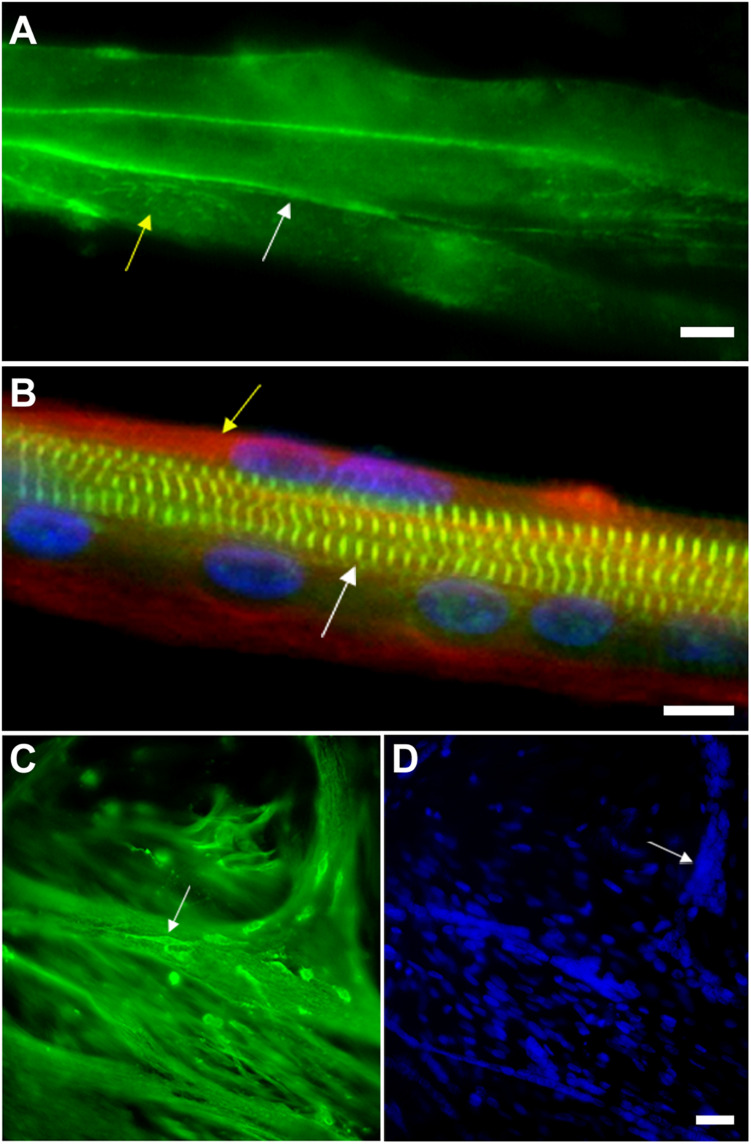
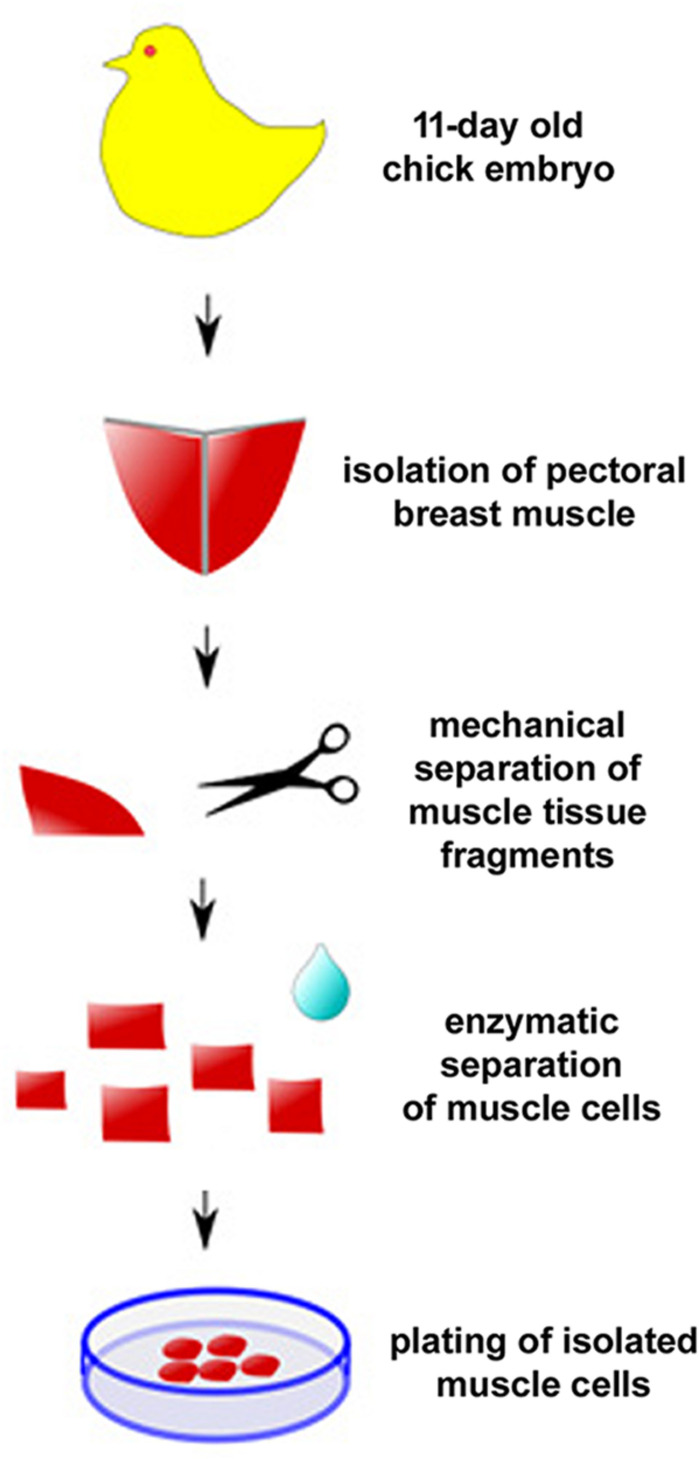
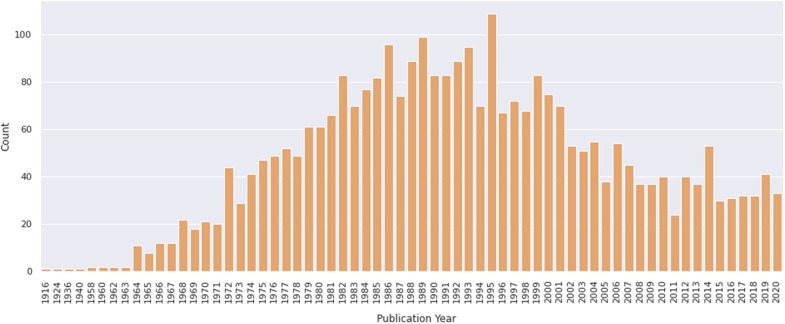
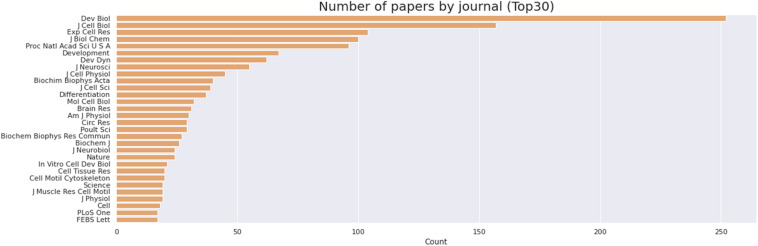
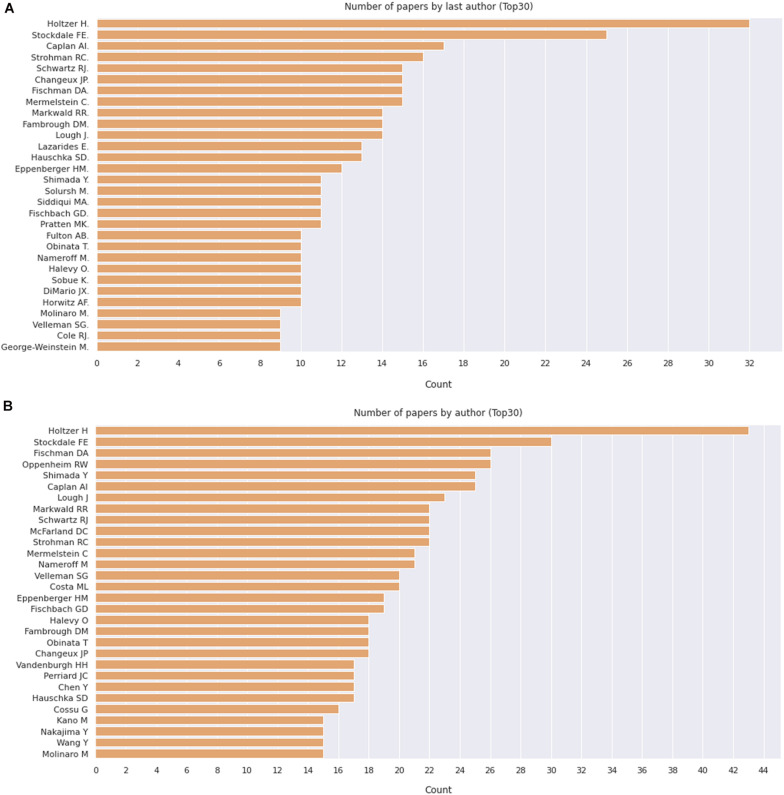
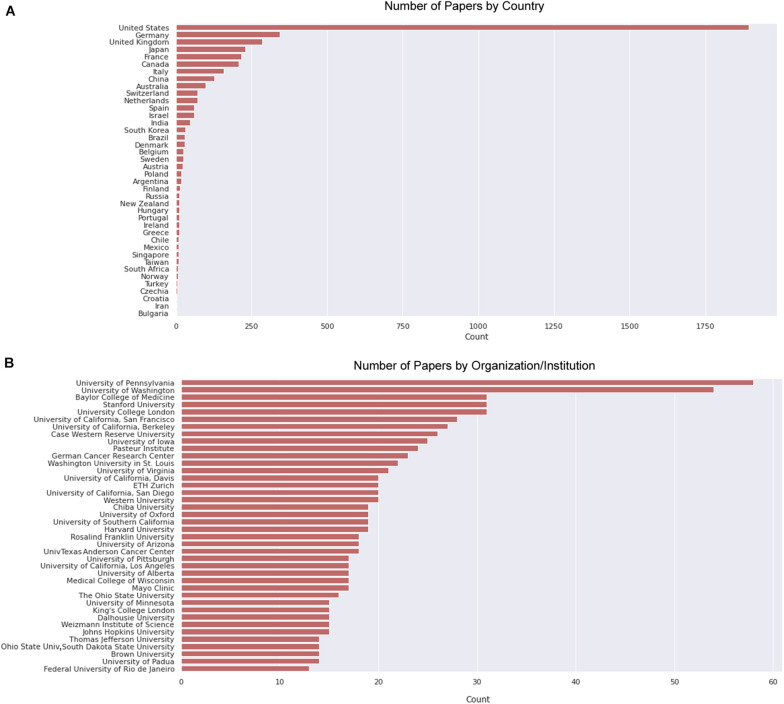
The mechanisms involved in the development of skeletal muscle fibers have been studied in the last 70 years and yet many aspects of this process are still not completely understood. A myriad of and invertebrate and vertebrate animal models has been used for dissecting the molecular and cellular events involved in muscle formation. Among the most used animal models for the study of myogenesis are the rodents rat and mouse, the fruit fly Drosophila, and the birds chicken and quail. Here, we describe the robustness and advantages of the chick primary muscle culture model for the study of skeletal myogenesis. In the myoblast culture obtained from embryonic chick pectoralis muscle it is possible to analyze all the steps involved in skeletal myogenesis, such as myoblast proliferation, withdrawal from cell cycle, cell elongation and migration, myoblast alignment and fusion, the assembly of striated myofibrils, and the formation of multinucleated myotubes. The fact that chick myotubes can harbor hundreds of nuclei, whereas myotubes from cell lines have only a dozen nuclei demonstrates the high level of differentiation of the autonomous chick myogenic program. This striking differentiation is independent of serum withdrawal, which points to the power of the model. We also review the major pro-myogenic and anti-myogenic molecules and signaling pathways involved in chick myogenesis, in addition to providing a detailed protocol for the preparation of embryonic chick myogenic cultures. Moreover, we performed a bibliometric analysis of the articles that used this model to evaluate which were the main explored topics of interest and their contributors. We expect that by describing the major findings, and their advantages, of the studies using the embryonic chick myogenic model we will foster new studies on the molecular and cellular process involved in muscle proliferation and differentiation that are more similar to the actual condition than the muscle cell lines.
在过去70年里,人们对骨骼肌纤维发育所涉及的机制进行了研究,但这一过程的许多方面仍未被完全理解。为了剖析肌肉形成过程中涉及的分子和细胞事件,人们使用了无数的无脊椎动物和脊椎动物动物模型。在用于研究肌生成的最常用动物模型中,有啮齿动物大鼠和小鼠、果蝇、鸟类鸡和鹌鹑。在这里,我们描述了鸡原代肌肉培养模型在研究骨骼肌生成方面的稳健性和优势。从胚胎鸡胸肌获得的成肌细胞培养物中,可以分析骨骼肌生成所涉及的所有步骤,如成肌细胞增殖、退出细胞周期、细胞伸长和迁移、成肌细胞排列和融合、横纹肌原纤维的组装以及多核肌管的形成。鸡肌管可以容纳数百个细胞核,而细胞系来源的肌管只有十几个细胞核,这一事实表明了自主鸡成肌程序的高度分化水平。这种显著的分化与血清去除无关,这也凸显了该模型的优势。除了提供制备胚胎鸡成肌培养物的详细方案外,我们还综述了鸡肌生成过程中主要的促肌生成和抗肌生成分子及信号通路。此外,我们对使用该模型的文章进行了文献计量分析,以评估哪些是主要探索的感兴趣主题及其贡献者。我们期望通过描述使用胚胎鸡成肌模型的研究的主要发现及其优势,能够促进对肌肉增殖和分化所涉及的分子和细胞过程的新研究,这些研究比肌肉细胞系更接近实际情况。