Šket Robert, Treichel Nicole, Debevec Tadej, Eiken Ola, Mekjavic Igor, Schloter Michael, Vital Marius, Chandler Jenna, Tiedje James M, Murovec Boštjan, Prevoršek Zala, Stres Blaž
Department of Animal Science, Biotechnical Faculty, University of LjubljanaLjubljana, Slovenia.
Research Unit for Comparative Microbiome Analysis, Helmholtz Zentrum München - German Research Center for Environmental HealthNeuherberg, Germany.
Front Physiol. 2017 May 4;8:250. doi: 10.3389/fphys.2017.00250. eCollection 2017.
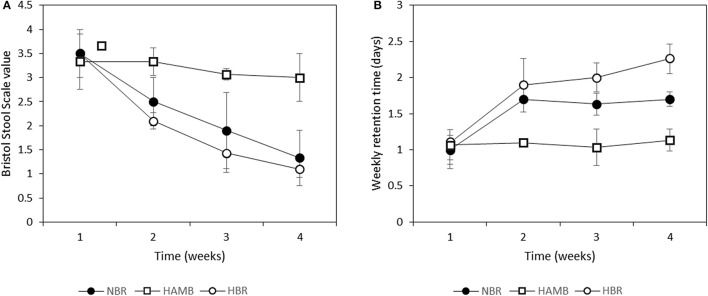
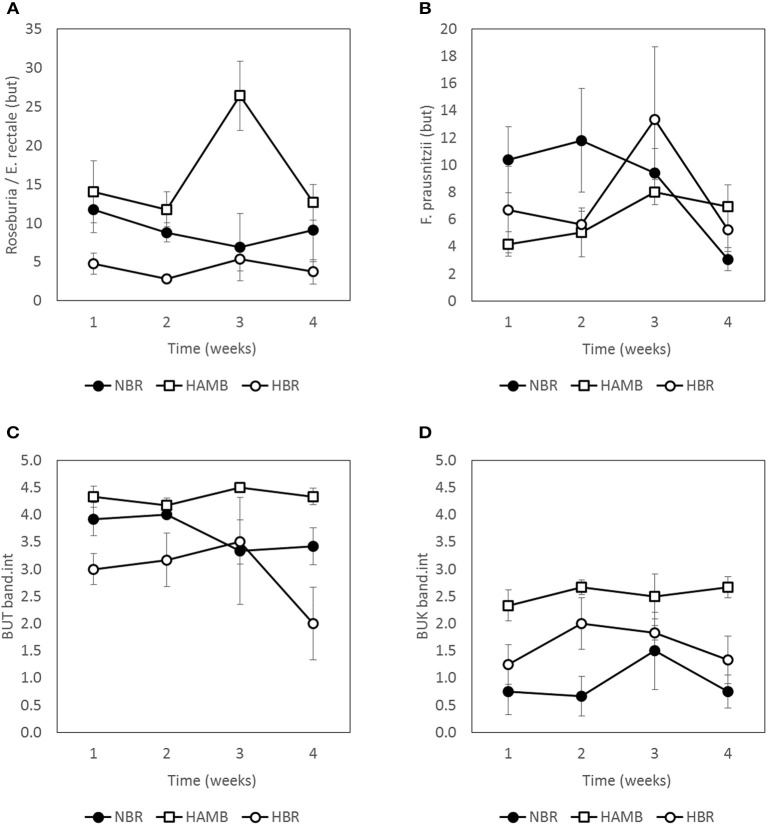
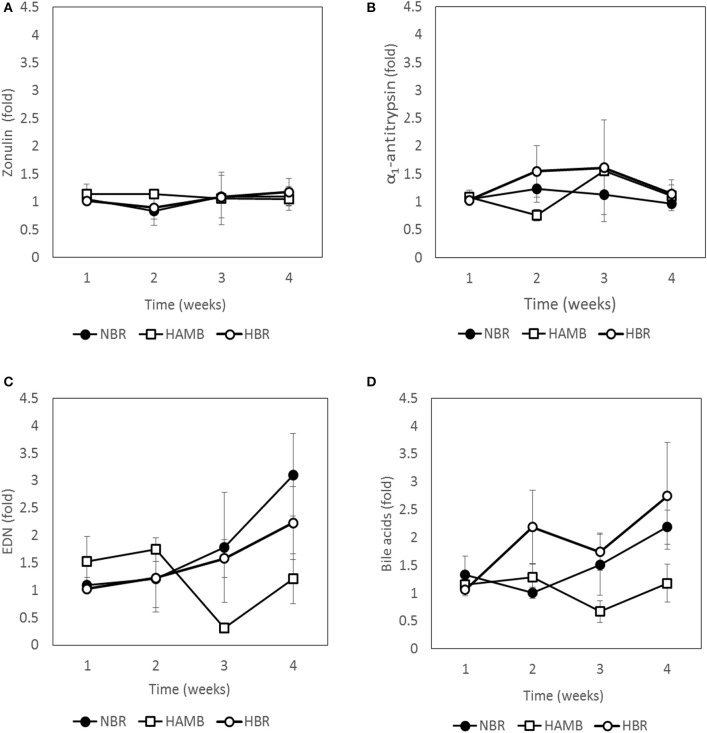
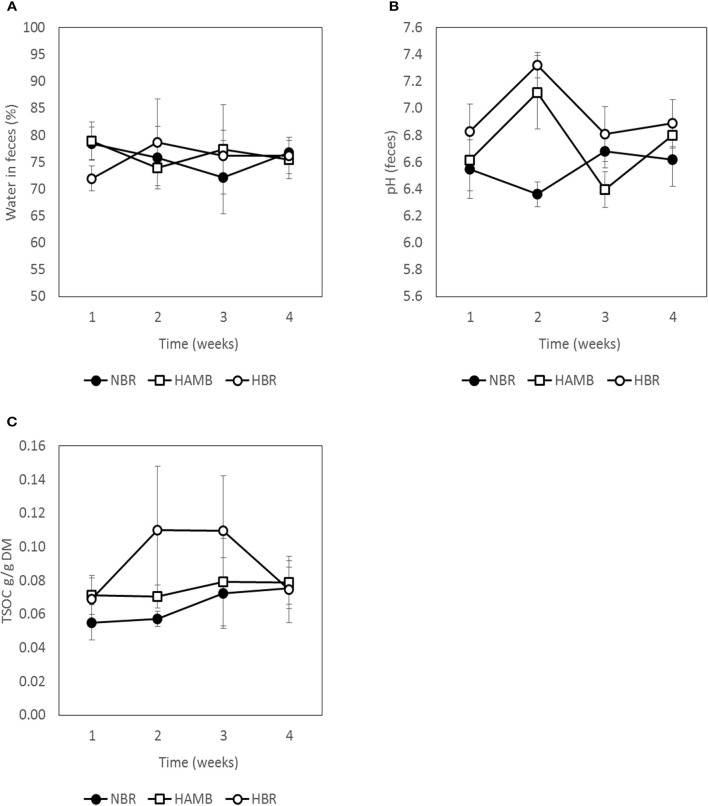
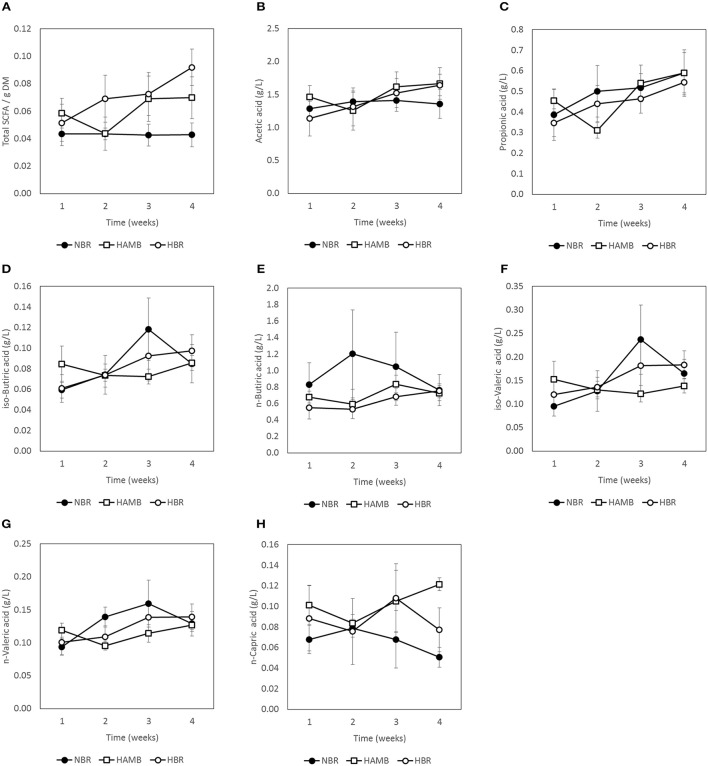
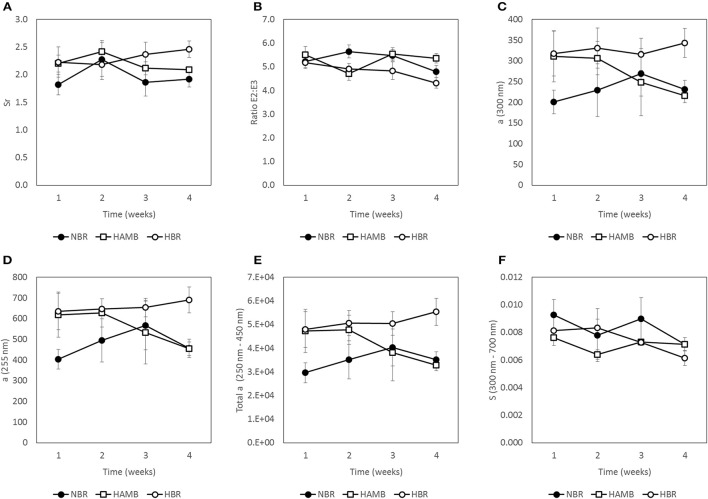
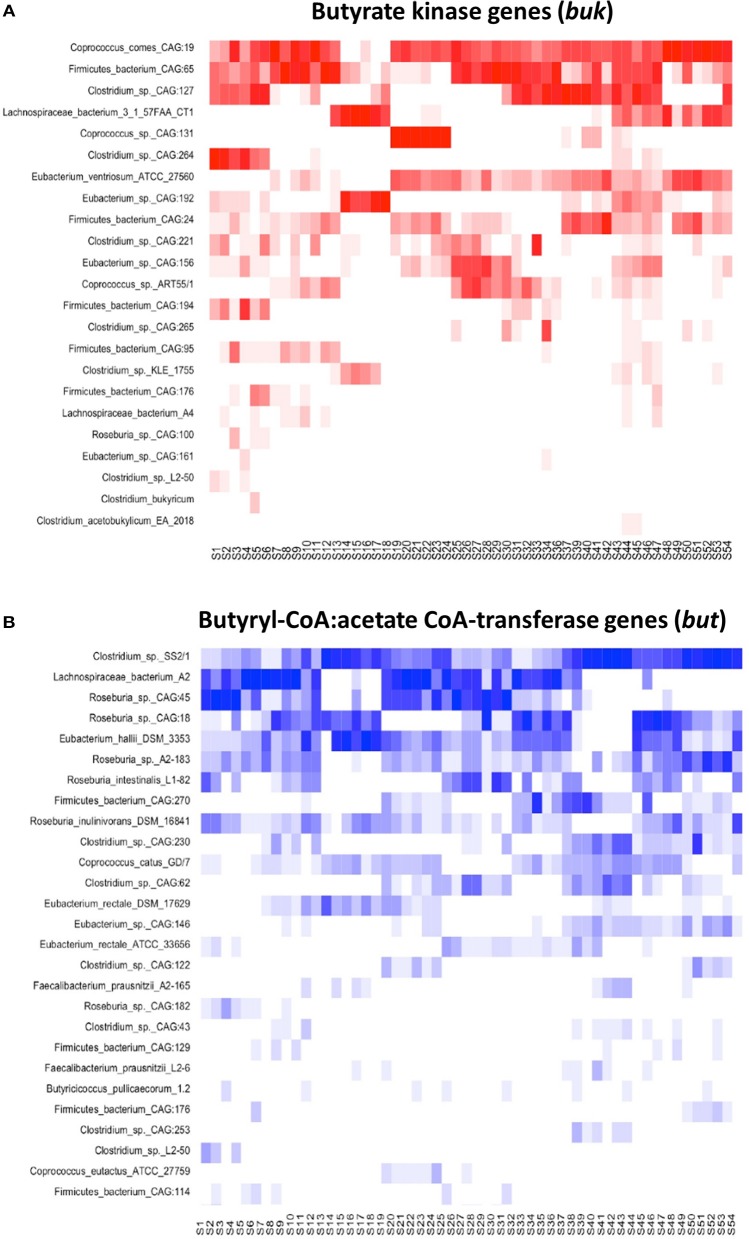
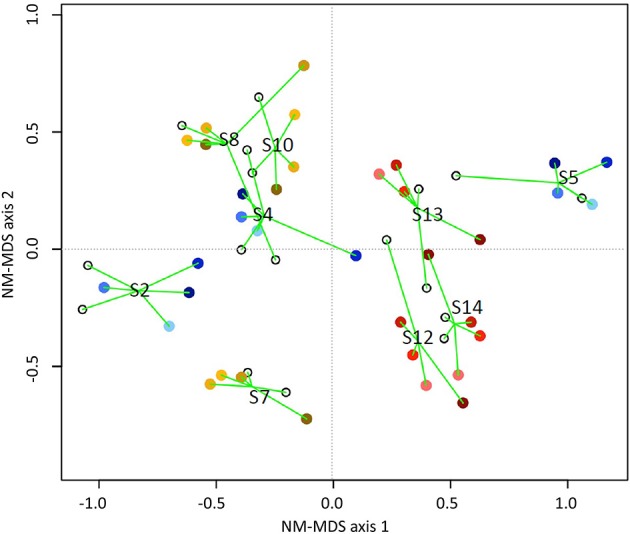
We explored the assembly of intestinal microbiota in healthy male participants during the run-in (5 day) and experimental phases [21-day normoxic bed rest (NBR), hypoxic bedrest (HBR)], and hypoxic ambulation (HAmb) in a strictly controlled laboratory environment, balanced fluid, and dietary intakes, controlled circadian rhythm, microbial ambiental burden, and 24/7 medical surveillance. The fraction of inspired O (FO) and partial pressure of inspired O (PO) were 0.209 and 133.1 ± 0.3 mmHg for NBR and 0.141 ± 0.004 and 90.0 ± 0.4 mmHg for both hypoxic variants (HBR and HAmb; ~4,000 m simulated altitude), respectively. A number of parameters linked to intestinal transit spanning Bristol Stool Scale, defecation rates, zonulin, α-antitrypsin, eosinophil derived neurotoxin, bile acids, reducing sugars, short chain fatty acids, total soluble organic carbon, water content, diet composition, and food intake were measured (167 variables). The abundance, structure, and diversity of butyrate producing microbial community were assessed using the two primary bacterial butyrate synthesis pathways, butyryl-CoA: acetate CoA-transferase () and butyrate kinase () genes. Inactivity negatively affected fecal consistency and in combination with hypoxia aggravated the state of gut inflammation ( < 0.05). In contrast, gut permeability, various metabolic markers, the structure, diversity, and abundance of butyrate producing microbial community were not significantly affected. Rearrangements in the butyrate producing microbial community structure were explained by experimental setup (13.4%), experimentally structured metabolites (12.8%), and gut metabolite-immunological markers (11.9%), with 61.9% remaining unexplained. Many of the measured parameters were found to be correlated and were hence omitted from further analyses. The observed progressive increase in two immunological intestinal markers suggested that the transition from healthy physiological state toward the developed symptoms of low magnitude obesity-related syndromes was primarily driven by the onset of inactivity (lack of exercise in NBR) that were exacerbated by systemic hypoxia (HBR) and significantly alleviated by exercise, despite hypoxia (HAmb). Butyrate producing community in colon exhibited apparent resilience toward short-term modifications in host exercise or hypoxia. Progressive constipation (decreased intestinal motility) and increased local inflammation marker suggest that changes in microbial colonization and metabolism were taking place at the location of small intestine.
我们在严格控制的实验室环境中,对健康男性参与者在导入期(5天)和实验阶段[21天常氧卧床休息(NBR)、低氧卧床休息(HBR)]以及低氧行走(HAmb)期间的肠道微生物群组装进行了研究,同时保持液体和饮食摄入平衡、昼夜节律受控、微生物环境负荷可控以及24小时医疗监测。NBR的吸入氧分数(FO)和吸入氧分压(PO)分别为0.209和133.1±0.3 mmHg,两种低氧变体(HBR和HAmb;模拟海拔约4000米)的FO和PO分别为0.141±0.004和90.0±0.4 mmHg。测量了一系列与肠道转运相关的参数,包括布里斯托大便分类法、排便率、zonulin、α-抗胰蛋白酶、嗜酸性粒细胞衍生神经毒素、胆汁酸、还原糖、短链脂肪酸、总可溶性有机碳、水分含量、饮食组成和食物摄入量(167个变量)。使用两种主要的细菌丁酸合成途径,即丁酰辅酶A:乙酸辅酶A转移酶()和丁酸激酶()基因,评估了产生丁酸的微生物群落的丰度、结构和多样性。不活动对粪便稠度有负面影响,并且与低氧共同作用会加重肠道炎症状态(P<0.05)。相比之下,肠道通透性、各种代谢标志物、产生丁酸的微生物群落的结构、多样性和丰度没有受到显著影响。产生丁酸的微生物群落结构的重新排列可以由实验设置(13.4%)、实验构建的代谢物(12.8%)和肠道代谢物-免疫标志物(11.9%)来解释,仍有61.9%无法解释。发现许多测量参数之间存在相关性,因此在进一步分析中被省略。观察到的两种肠道免疫标志物的逐渐增加表明,从健康生理状态向轻度肥胖相关综合征的明显症状转变主要是由不活动(NBR中缺乏运动)的开始驱动的,全身性低氧(HBR)会加剧这种情况,而运动(尽管存在低氧,即HAmb)则可显著缓解。结肠中产生丁酸的群落对宿主运动或低氧的短期变化表现出明显的恢复力。进行性便秘(肠道蠕动减少)和局部炎症标志物增加表明,微生物定植和代谢的变化发生在小肠部位。