Lanzetta Paolo, Loewenstein Anat
Department of Medicine - Ophthalmology, University of Udine, Piazzale S. Maria della Misericordia, 33100, Udine, Italy.
Tel Aviv Sourasky Medical Center, Tel Aviv, Israel.
Graefes Arch Clin Exp Ophthalmol. 2017 Jul;255(7):1259-1273. doi: 10.1007/s00417-017-3647-4. Epub 2017 May 19.
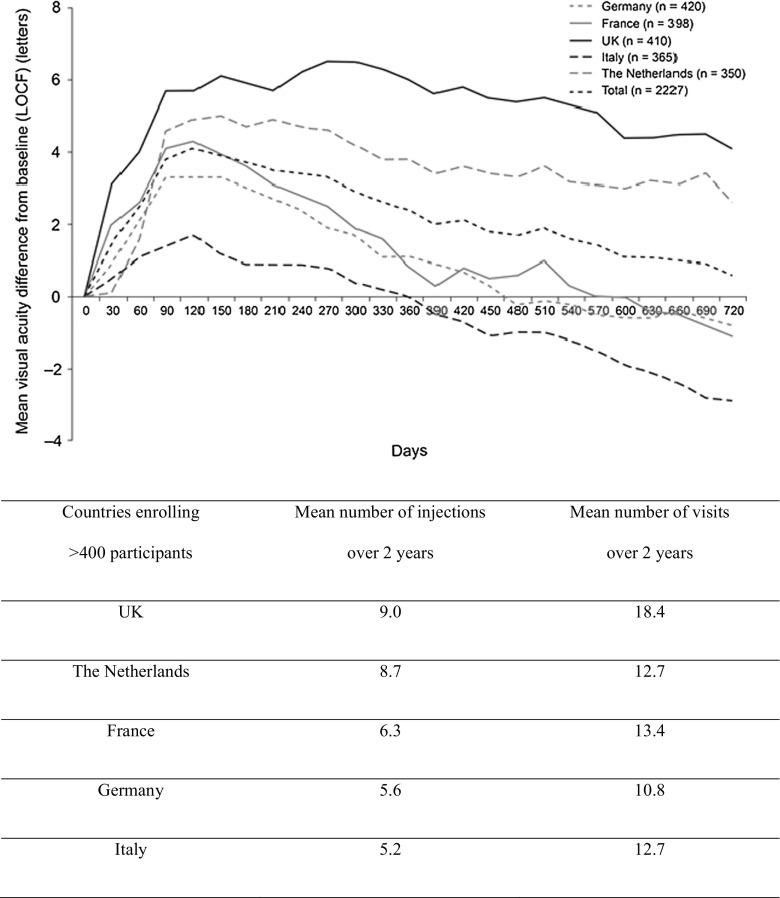
Intravitreal anti-vascular endothelial growth factor (VEGF) therapy is now considered the gold standard for the treatment of various retinal disorders. As therapy has evolved, so too have the treatment regimens employed by physicians in clinical practice; however, visual outcomes observed in the real world have typically not reflected those reported in clinical trials. Possible reasons for this include a lack of consensus on treatment regimens and a lack of clarity about what the aims of treatment should be.
The Vision Academy Steering Committee met to discuss the principles of an ideal treatment regimen, using evidence from the literature to substantiate each point. Literature searches were performed using the MEDLINE/PubMed database (cut-off date: March 2016) and restricted to English-language publications. Studies with fewer than ten patients were excluded from this review.
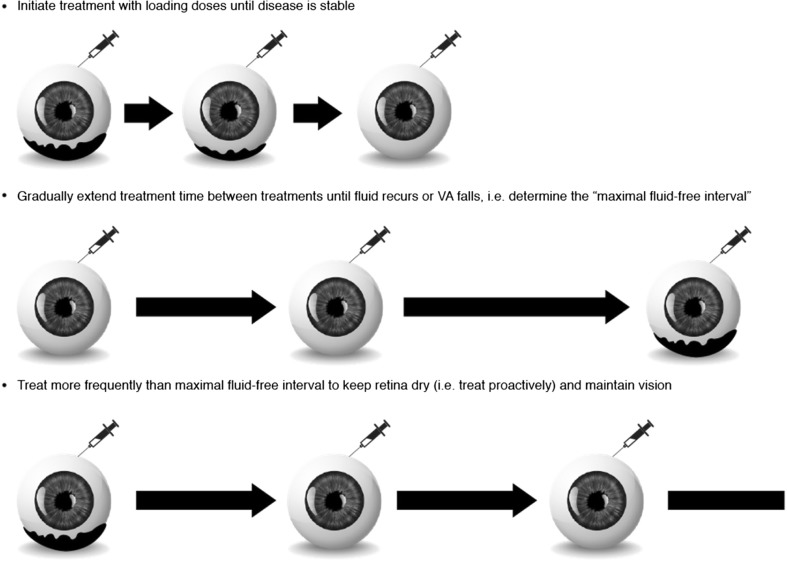
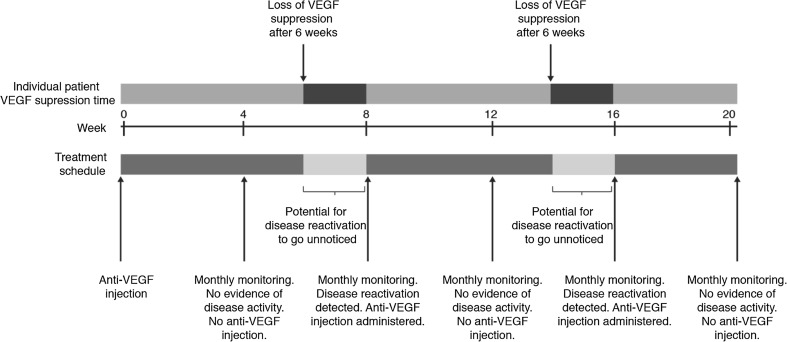
The Steering Committee identified the following four key principles for the ideal treatment regimen for anti-VEGF management of retinal diseases: 1. Maximize and maintain visual acuity (VA) benefits for all patients 2. Decide when to treat next, rather than whether to treat now 3. Titrate the treatment intervals to match patients' needs 4. Treat at each monitoring visit.
It is proposed that the adoption of a proactive and more personalized approach in the clinic such as a treat-and-extend regimen will lead to benefits for both the patient and the physician, through a reduction in the associated treatment burden and better utilization of clinic resources. Implementation of the four principles should also lead to better VA outcomes for each patient, with a minimized risk of vision loss.
玻璃体内注射抗血管内皮生长因子(VEGF)疗法目前被认为是治疗各种视网膜疾病的金标准。随着治疗方法的不断发展,临床实践中医生采用的治疗方案也在不断变化;然而,现实世界中观察到的视觉效果通常并未反映临床试验中报告的效果。造成这种情况的可能原因包括治疗方案缺乏共识以及治疗目标不明确。
视觉学会指导委员会召开会议,讨论理想治疗方案的原则,并利用文献证据对每一点进行论证。使用MEDLINE/PubMed数据库(截止日期:2016年3月)进行文献检索,检索范围限于英文出版物。本综述排除了患者人数少于10人的研究。
指导委员会确定了视网膜疾病抗VEGF治疗理想方案的以下四项关键原则:1. 为所有患者最大化并维持视力(VA)获益;2. 决定下次治疗时间,而非是否现在治疗;3. 根据患者需求调整治疗间隔;4. 在每次监测就诊时进行治疗。
建议在临床中采用积极主动且更具个性化的方法,如治疗并延长方案,这将通过减轻相关治疗负担和更好地利用临床资源,使患者和医生都受益。实施这四项原则还应能为每位患者带来更好的视力结果,并将视力丧失风险降至最低。