Giacomini P G, Rubino S, Mocella S, Pascali M, Di Girolamo S
Department of Otolaryngology, University of Rome "Tor Vergata", Italy.
Department of Otorhinolaryngology, Bussolengo Hospital, Italy.
Acta Otorhinolaryngol Ital. 2017 Aug;37(4):295-302. doi: 10.14639/0392-100X-911.
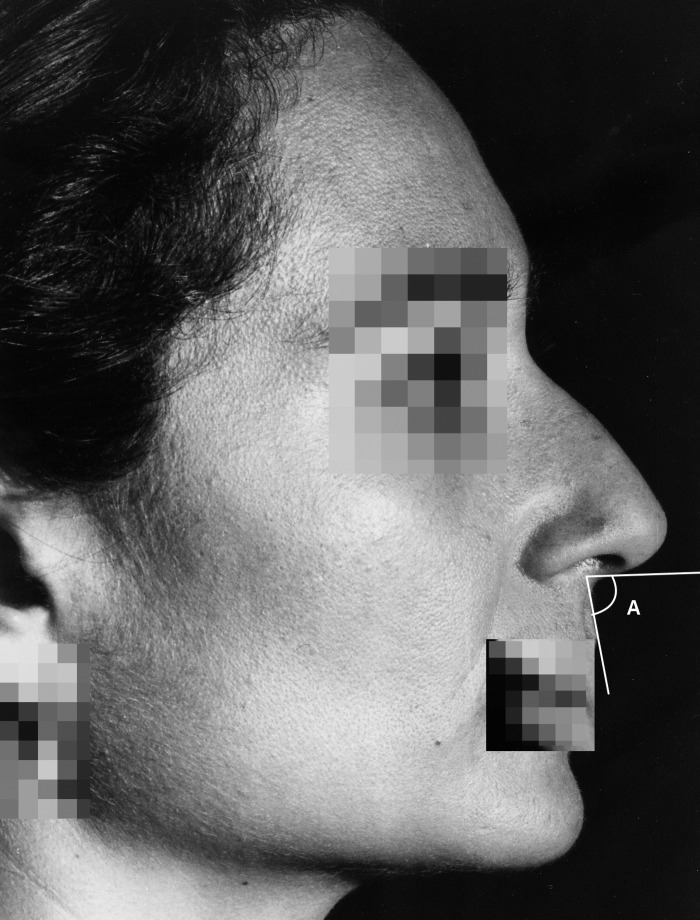
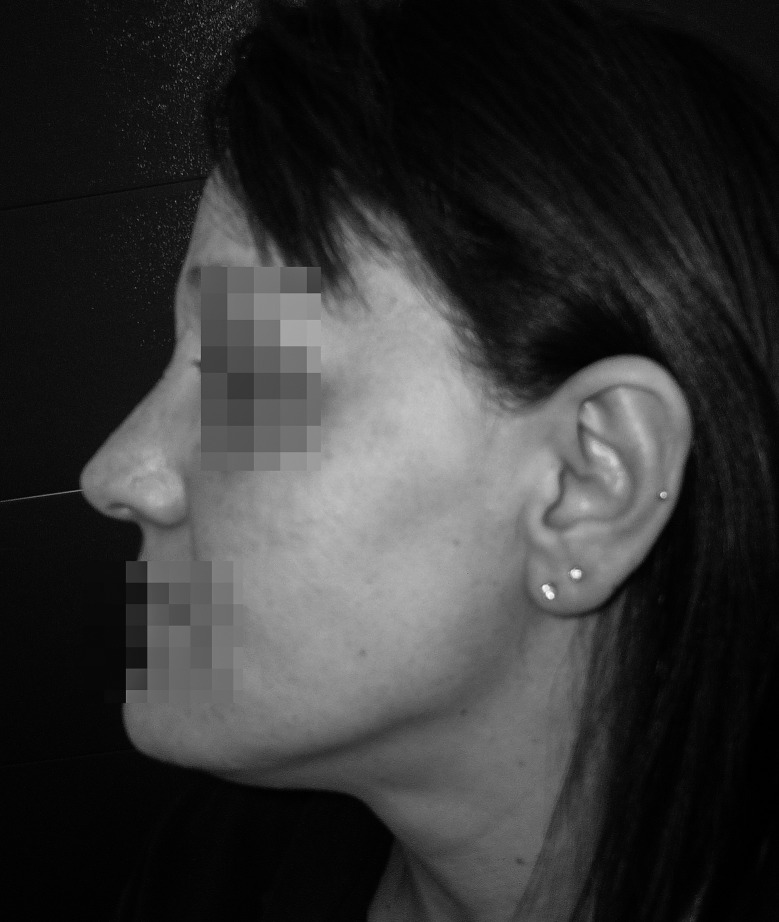
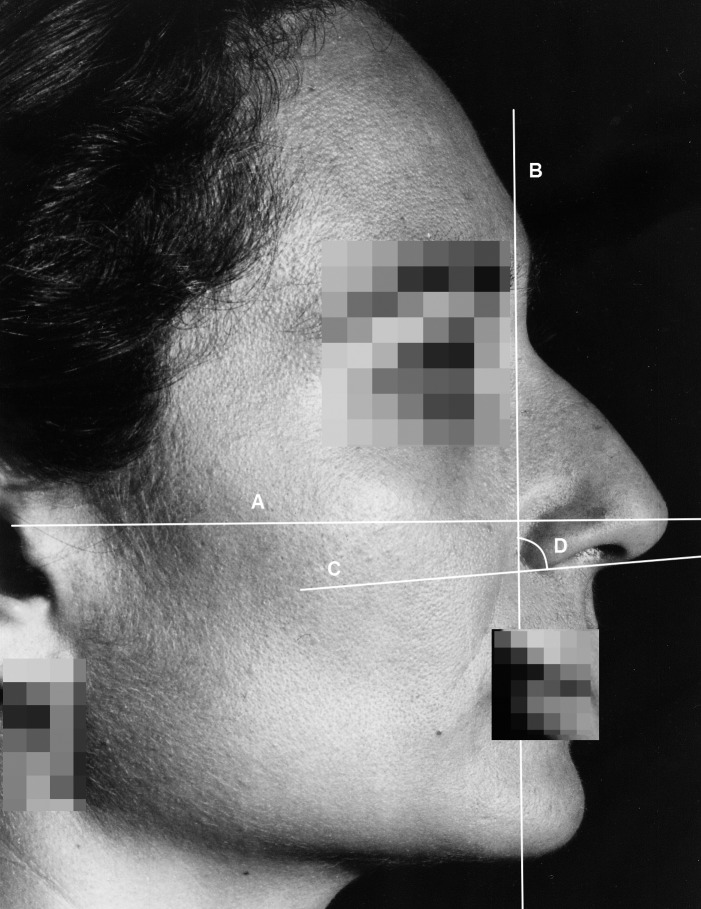
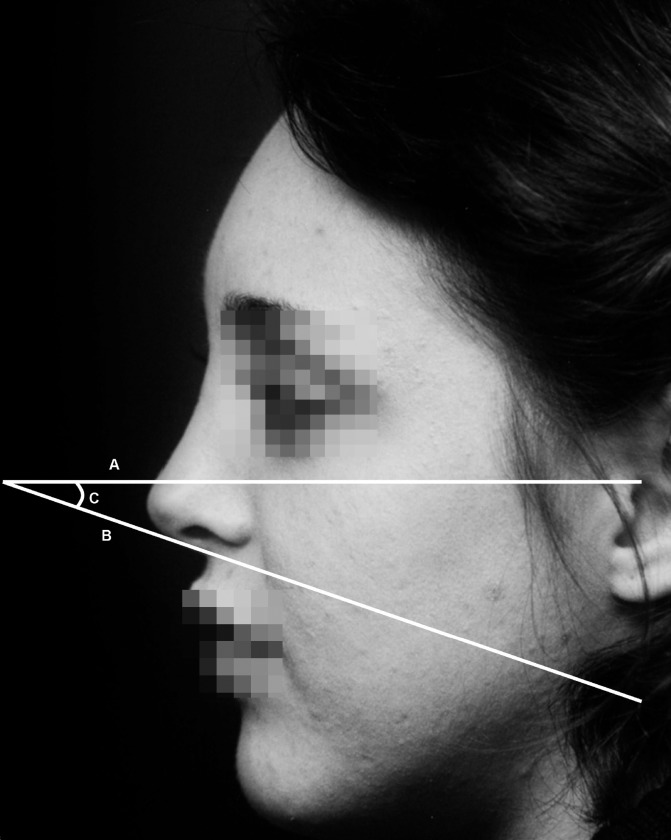
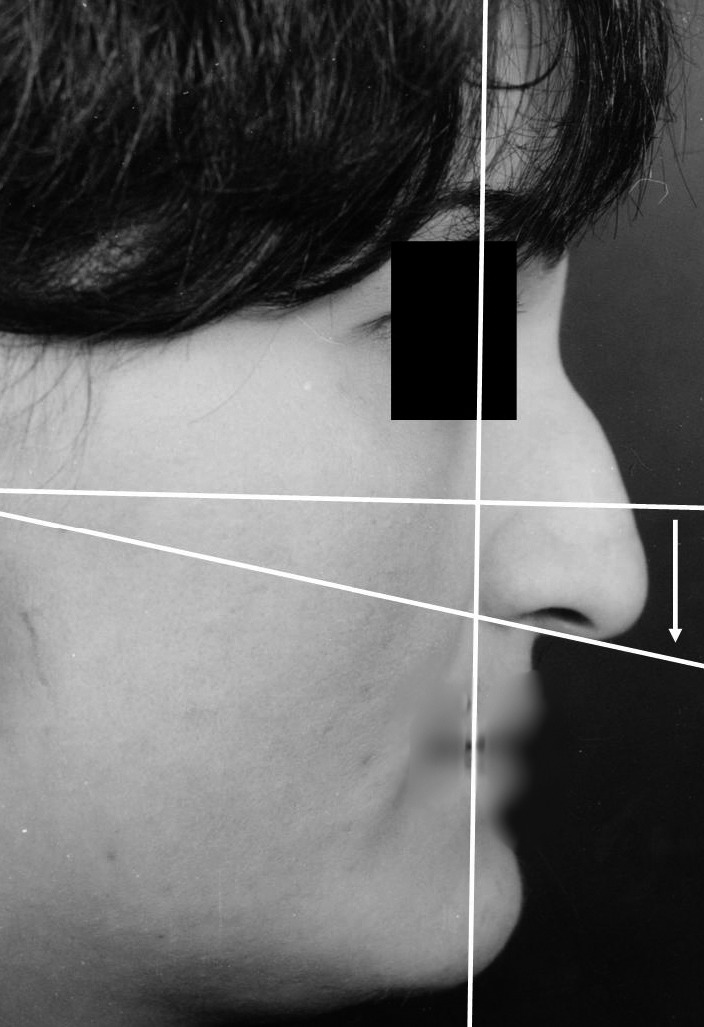
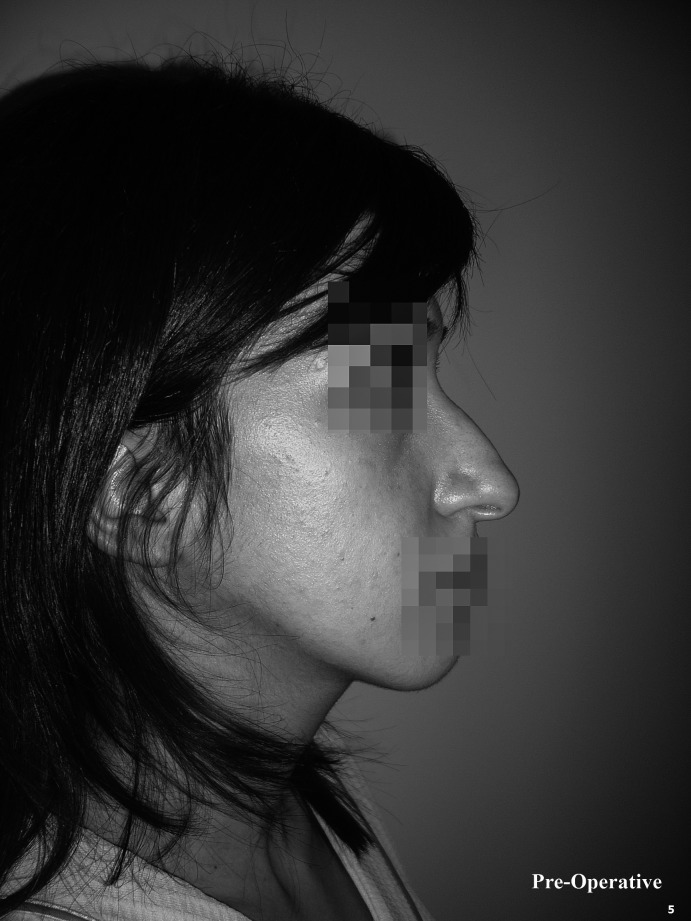
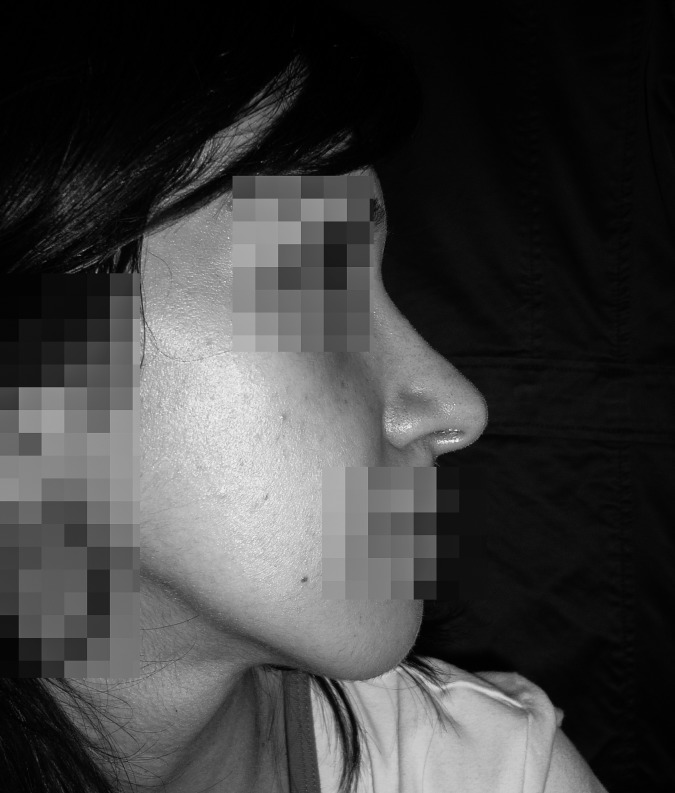
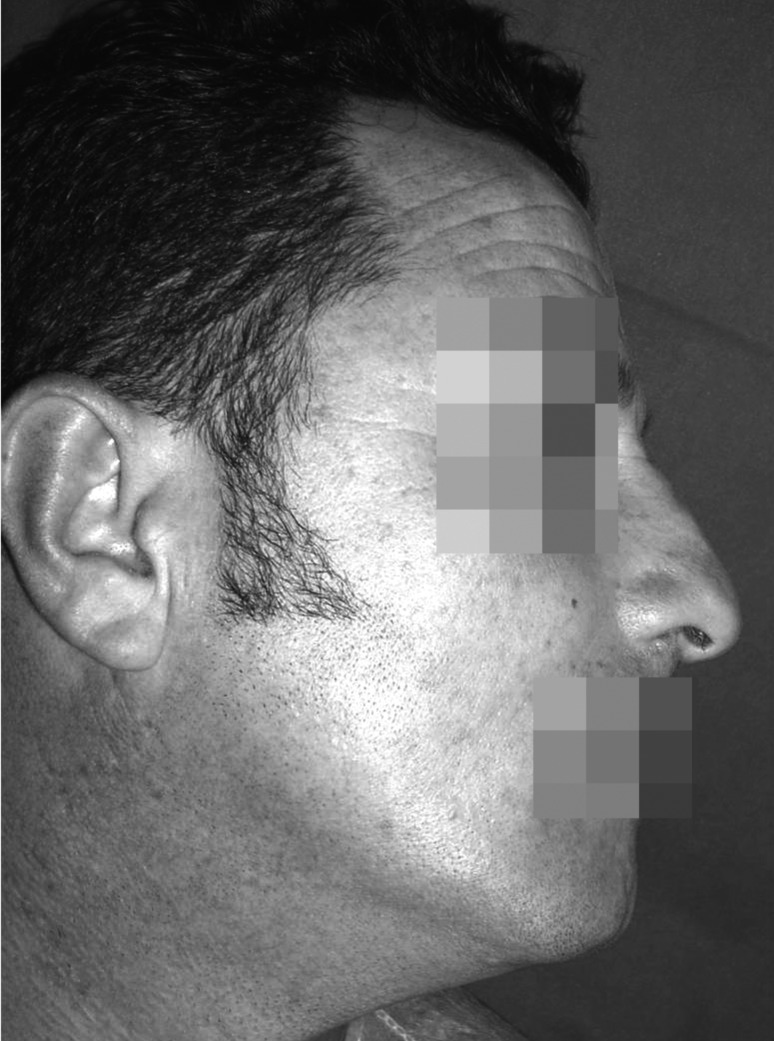
The drooping tip deformity is both a bothersome aesthetic feature and functional impairment of the nose. Both static and dynamic factors may affect tip appearance and it seems logical to take into account these factors when planning correction of drooping tip. Many studies have examined this topic, but its treatment remains controversial. In order to make nasal tip surgery successful, it is useful to identify the keystone anatomical characteristics of the tip itself. Naso-labial angle, nostril axis, tip rotation angle according to Frankfort plane and columellar-facial angle may be measured to assess nasal tip position. The present study focuses on the authors' personal experience on the key anatomic changes of the nose that deserve correction and on the main surgical steps needed to achieve consistent results when dealing with a drooping tip. Pre- and post-operative nasal tip rotation and projection were studied. Correction of the drooping tip was accomplished by an open or closed septorhinoplasty approach according to patient's needs. The surgical techniques mostly employed for tip repositioning was septum straightening (41/41) and tongue-in-groove (36/41 cases) (87.8%). A columellar strut was used in 8/41 (19.51%) cases. LLC cephalic resection was applied in 29/41 patients (70.73%), LLC re-orienting sutures were made in 18/41 cases (43.9%) and lateral crural overlay was needed in 2/41 (4.8%). The key anatomic changes of the nose that deserve correction and the surgical steps needed to ease the often intriguing pre-operative decision-making process are reviewed.
鼻尖下垂畸形既是一种令人困扰的美学特征,也是鼻子的功能障碍。静态和动态因素均可影响鼻尖外观,因此在计划矫正鼻尖下垂时考虑这些因素似乎是合理的。许多研究都探讨过这个话题,但其治疗仍存在争议。为了使鼻尖手术成功,识别鼻尖本身的关键解剖特征是很有用的。可以测量鼻唇角、鼻孔轴、根据法兰克福平面的鼻尖旋转角度和鼻小柱-面部角度来评估鼻尖位置。本研究重点关注作者在鼻子关键解剖变化方面的个人经验,这些变化值得矫正,以及在处理鼻尖下垂时实现一致效果所需的主要手术步骤。对术前和术后的鼻尖旋转和突出情况进行了研究。根据患者需求,通过开放式或封闭式鼻中隔鼻成形术矫正鼻尖下垂。用于鼻尖重新定位的主要手术技术是鼻中隔矫直(41/41)和榫槽法(36/41例)(87.8%)。8/41(19.51%)例使用了鼻小柱支撑。29/41例患者(70.73%)进行了外侧脚软骨头部切除术,18/41例(