Nisa Lluís, Häfliger Pascal, Poliaková Michaela, Giger Roland, Francica Paola, Aebersold Daniel Matthias, Charles Roch-Philippe, Zimmer Yitzhak, Medová Michaela
Department of Clinical Research, Inselspital, Bern University Hospital, and University of Bern, 3008, Bern, Switzerland.
Department of Radiation Oncology, Inselspital, Bern University Hospital, and University of Bern, 3010, Bern, Switzerland.
Mol Cancer. 2017 May 22;16(1):93. doi: 10.1186/s12943-017-0660-5.
The MET receptor tyrosine kinase represents a promising target in cancer. PIK3CA activating mutations are common in several tumor types and can potentially confer resistance to anti-receptor tyrosine kinase therapy.
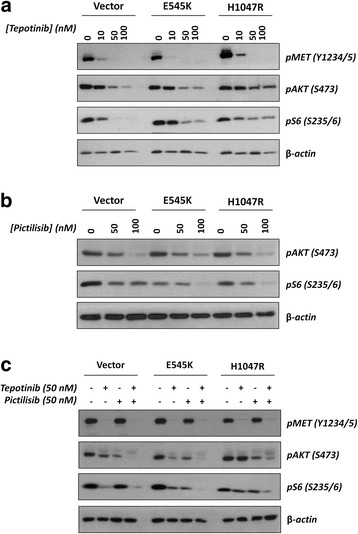
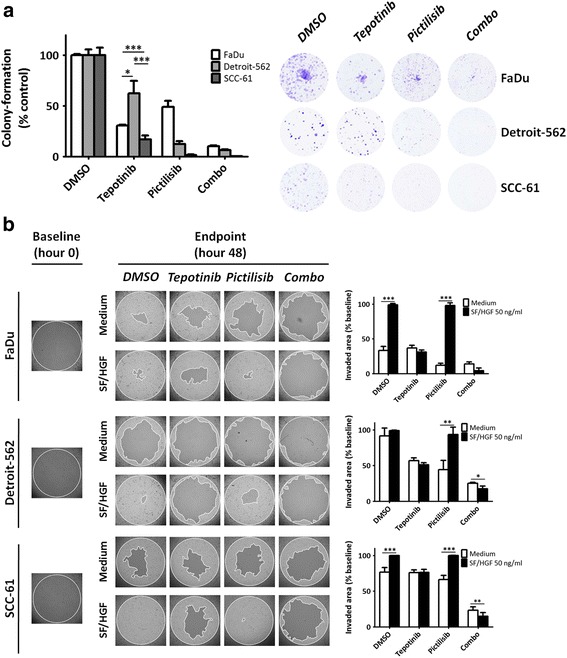
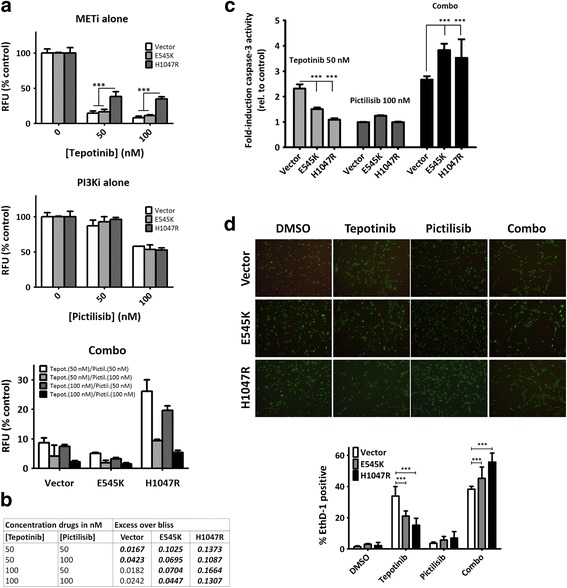
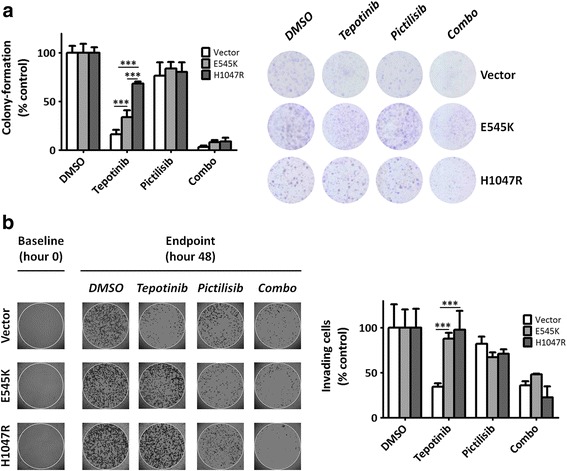
MET and/or PI3K pathway inhibition was assessed in NIH3T3 cells harboring MET-activating point mutation with or without ectopic expression of PIK3CA and PIK3CA, as well as in MET-expressing head and neck cancer cells with endogenous PIK3CA mutations. Endpoints included PI3K pathway activation, cell proliferation, colony-forming ability, cell death, wound-healing, and an in vivo model.
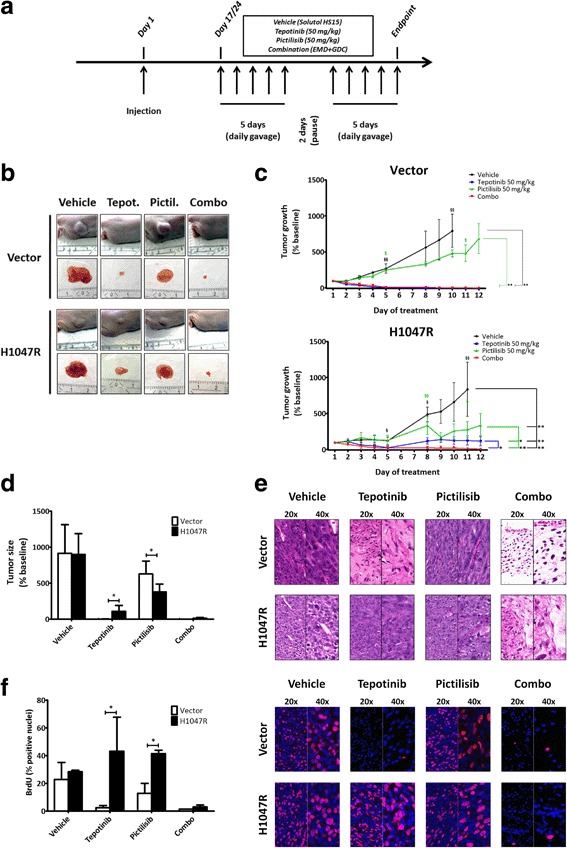
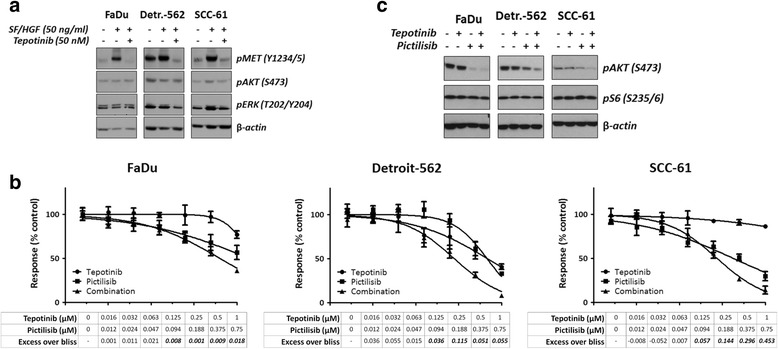
PIK3CA and PIK3CA confer resistance to MET inhibition in MET-driven models. PIK3CA was more potent than PIK3CA at inducing resistance in PI3K pathway activation, cell proliferation, colony-forming ability, induction of cell death and wound-healing upon MET inhibition. Resistance to MET inhibition could be synergistically overcome by co-targeting PI3K. Furthermore, combined MET/PI3K inhibition led to enhanced anti-tumor activity in vivo in tumors harboring PIK3CA. In head and neck cancer cells the combination of MET/PI3K inhibitors led to more-than-additive effects.
PIK3CA mutations can lead to resistance to MET inhibition, supporting future clinical evaluation of combinations of PI3K and MET inhibitors in common scenarios of malignant neoplasms featuring aberrant MET expression and PIK3CA mutations.
MET受体酪氨酸激酶是癌症中一个有前景的靶点。PIK3CA激活突变在几种肿瘤类型中很常见,并且可能赋予对抗受体酪氨酸激酶治疗的耐药性。
在携带MET激活点突变且有或无PIK3CA异位表达的NIH3T3细胞以及具有内源性PIK3CA突变的MET表达的头颈癌细胞中评估MET和/或PI3K通路抑制。终点包括PI3K通路激活、细胞增殖、集落形成能力、细胞死亡、伤口愈合以及体内模型。
在MET驱动的模型中,PIK3CA和PIK3CA赋予对MET抑制的耐药性。在PI3K通路激活、细胞增殖、集落形成能力、MET抑制后诱导细胞死亡和伤口愈合方面,PIK3CA比PIK3CA在诱导耐药性方面更有效。通过共同靶向PI3K可协同克服对MET抑制的耐药性。此外,联合MET/PI3K抑制在携带PIK3CA的肿瘤体内导致增强的抗肿瘤活性。在头颈癌细胞中,MET/PI3K抑制剂的联合导致超相加效应。
PIK3CA突变可导致对MET抑制的耐药性,支持未来在具有异常MET表达和PIK3CA突变的恶性肿瘤常见情况下对PI3K和MET抑制剂联合使用进行临床评估。